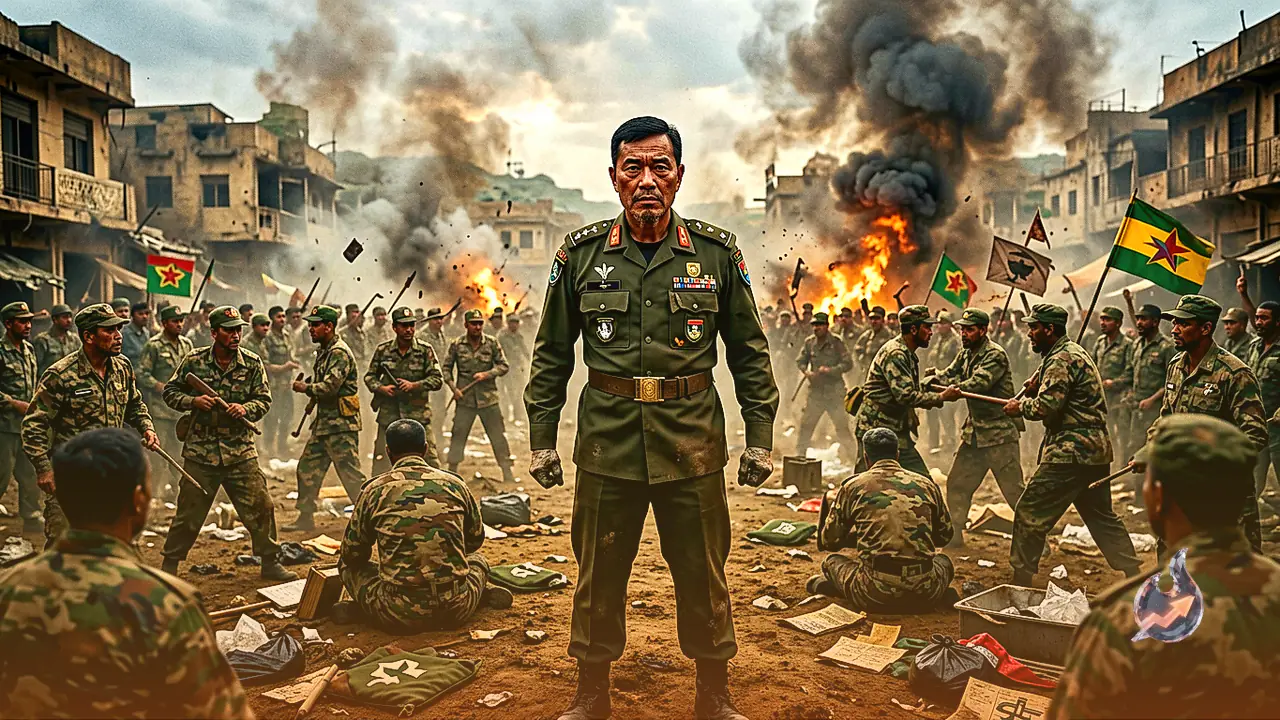



















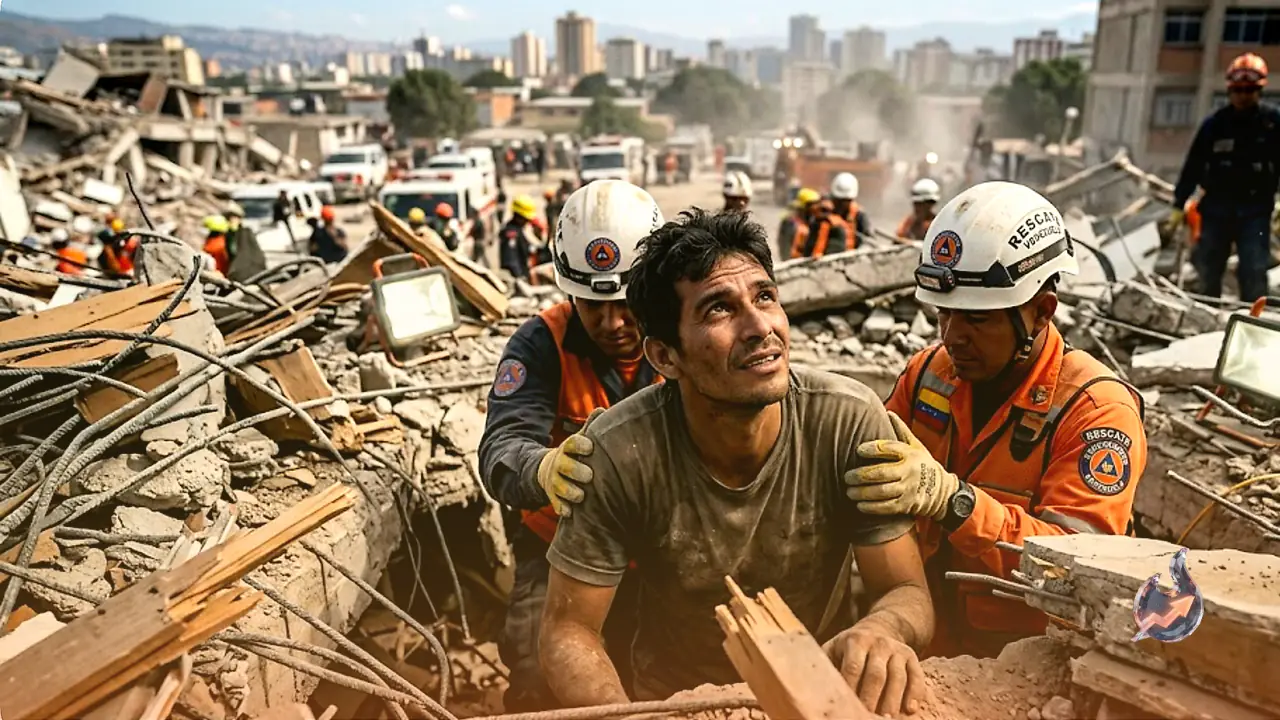

Venezuela, a country already gripped by political turmoil, has been pushed into deeper crisis by a devastating earthquake. In the capital Caracas and several other parts of the country, rescue crews are still combing through mounds of rubble in search of survivors. Barely a week after the quake struck, the government has confirmed that the death toll has climbed to 2954. Around 16000 people have lost their homes and are now living in relief camps, while more than 41000 remain unaccounted for.
Local and international teams race against time
Close to 30000 government personnel are working around the clock on relief and rescue operations, joined by 3281 international rescue workers who have arrived in Venezuela to help pull people from the debris. A field hospital set up to treat the injured has already admitted 400 patients, and doctors there have carried out nearly 30 surgeries. Peter Holz, the hospital's medical director, said that in the early days most patients arrived with injuries caused directly by the earthquake. The focus has now shifted to post-surgical care and longer term treatment for those already admitted.
55 hours under the rubble, and he never stopped hoping
Amid this devastation, the survival story of a man named Juan Zapata has become a symbol of sheer willpower. Zapata said that on the night of the quake, he had just finished dinner and was about to take a bath when violent tremors flung him from one corner of the room to another. When he regained consciousness some time later, he realised he was no longer inside his fifth floor flat but buried beneath the rubble of the collapsed building. He remained trapped there for roughly 55 hours until civil rescue workers finally reached him and pulled him out alive. Zapata has since been admitted to a hospital in La Guaira, where doctors found that several of his ribs were broken and his body bore deep wounds. Despite everything, he said that even though his home and everything he owned had been destroyed, simply surviving felt like the biggest victory of all. His phone and identity card were also lost somewhere in the rubble, which has left him unable to reach his daughter, who lives in the United States, or his sister, who lives in Canada.
Questions raised over the pace of relief efforts
The government's handling of relief operations has come under scrutiny since the earthquake. Several local residents and volunteers allege that in the early days, relief supplies, essential medicines and heavy machinery needed to clear debris did not reach affected areas on time. The government, however, has flatly rejected these allegations. Meanwhile, ordinary citizens and rescue teams continue to work side by side in several areas, still searching for people who remain trapped. Survivors who made it out alive are now anxiously waiting for news of missing loved ones, and many families continue to accompany relief teams as they search for relatives who have not yet been found.