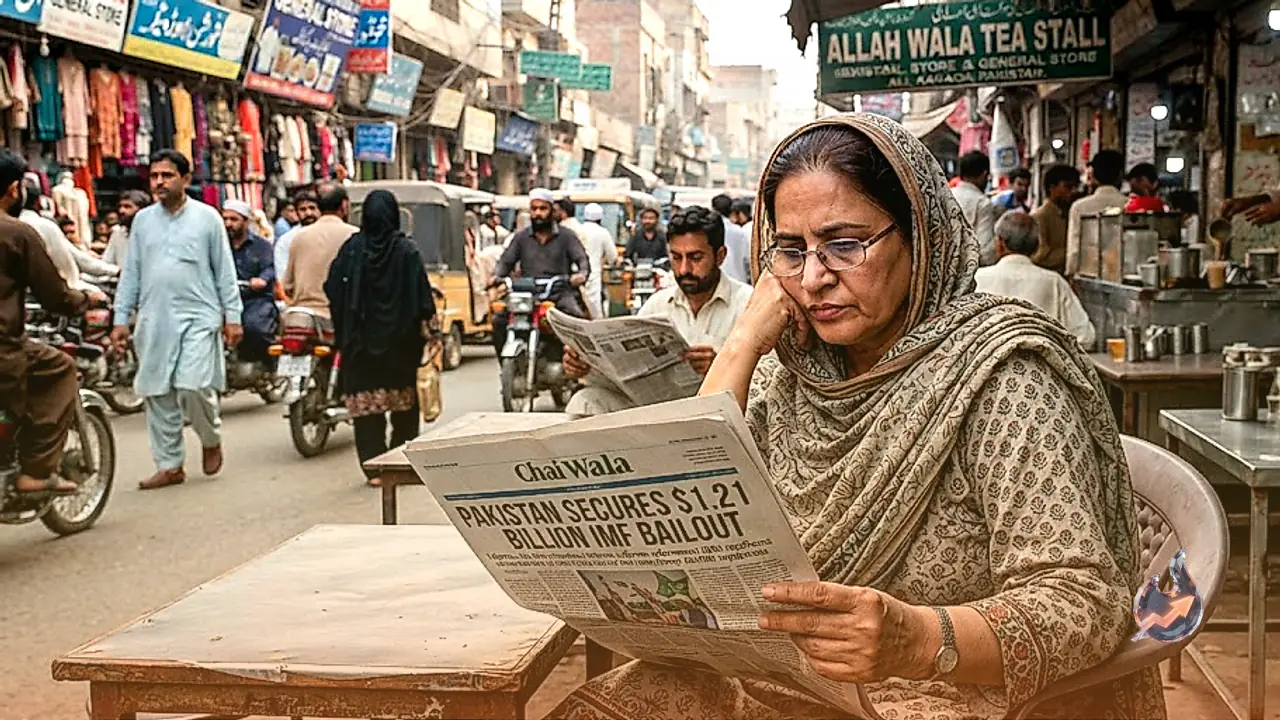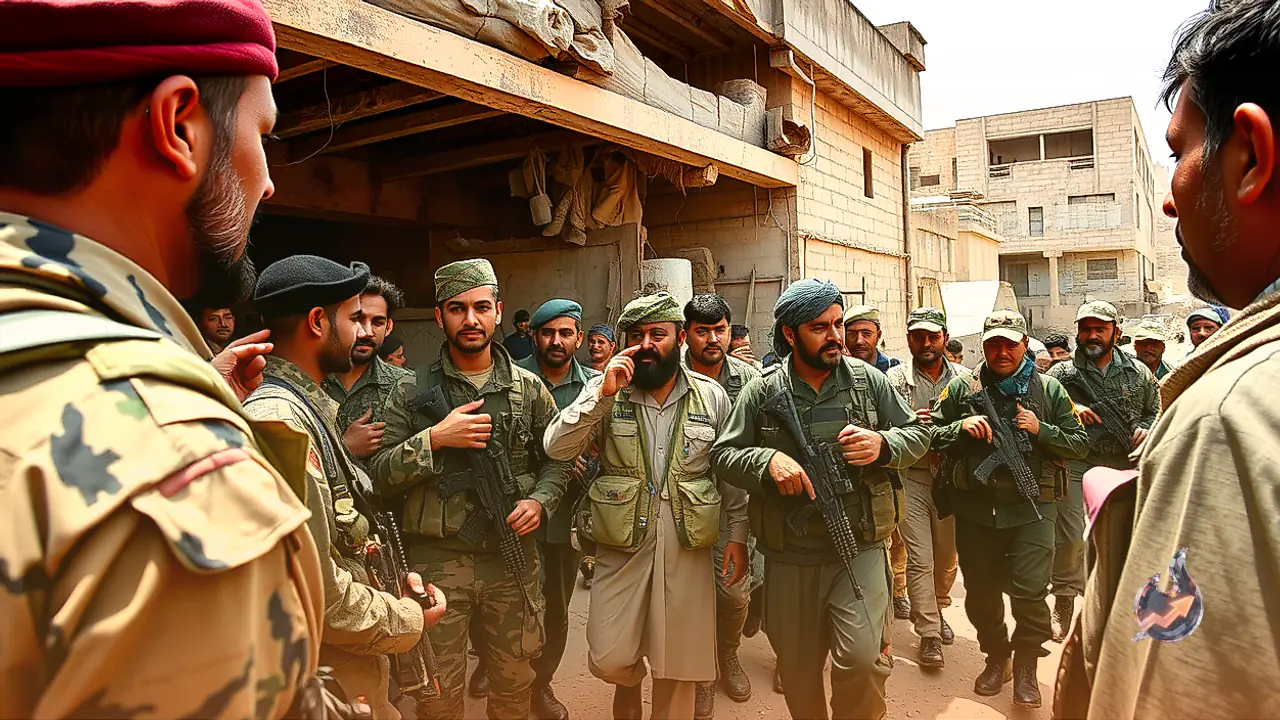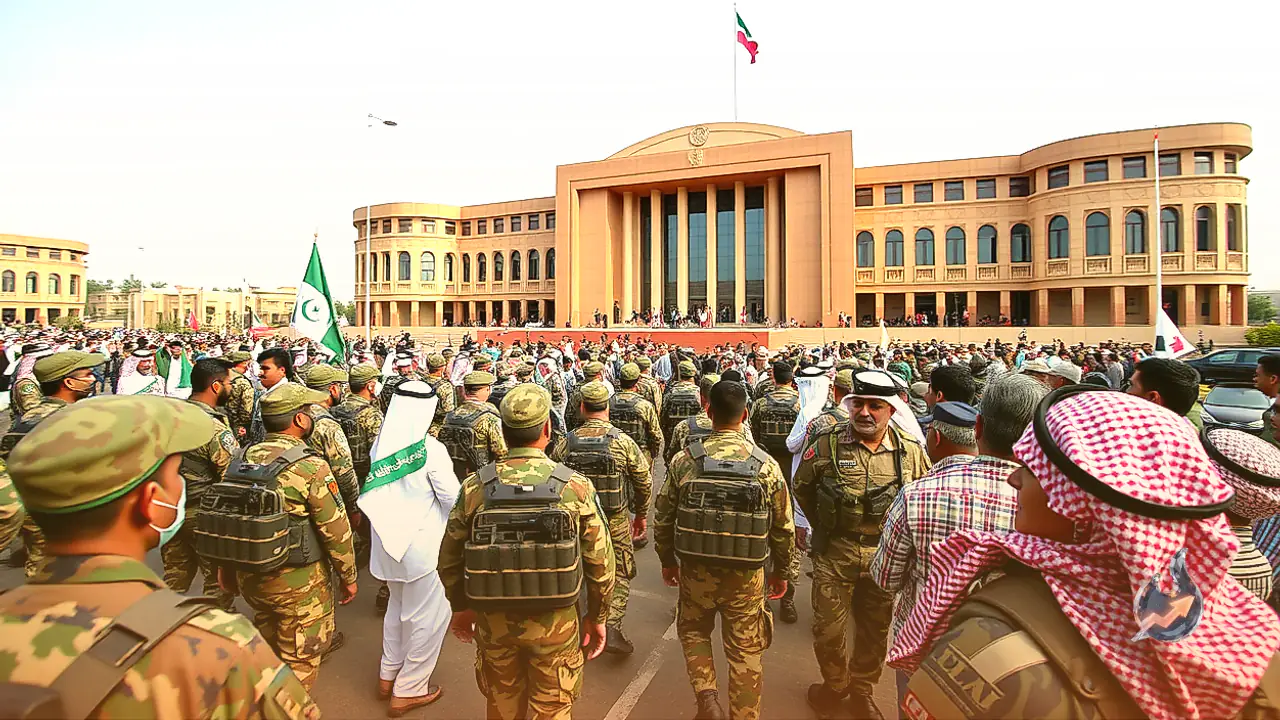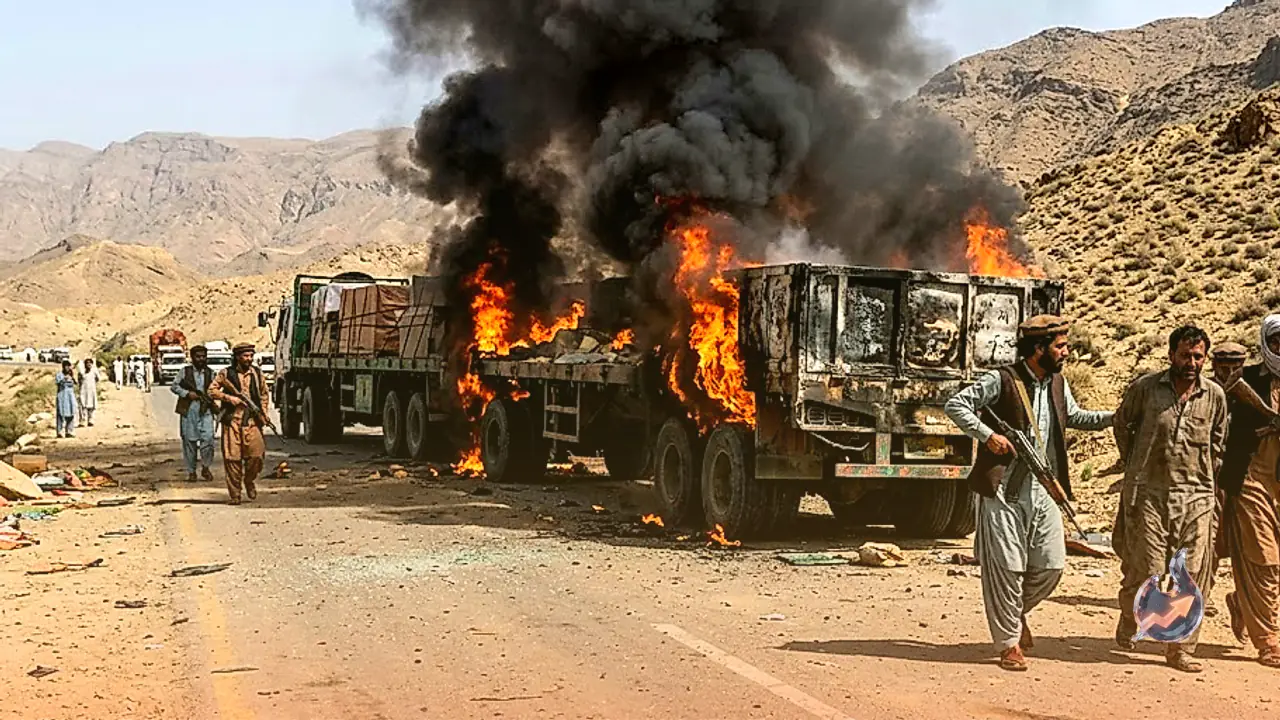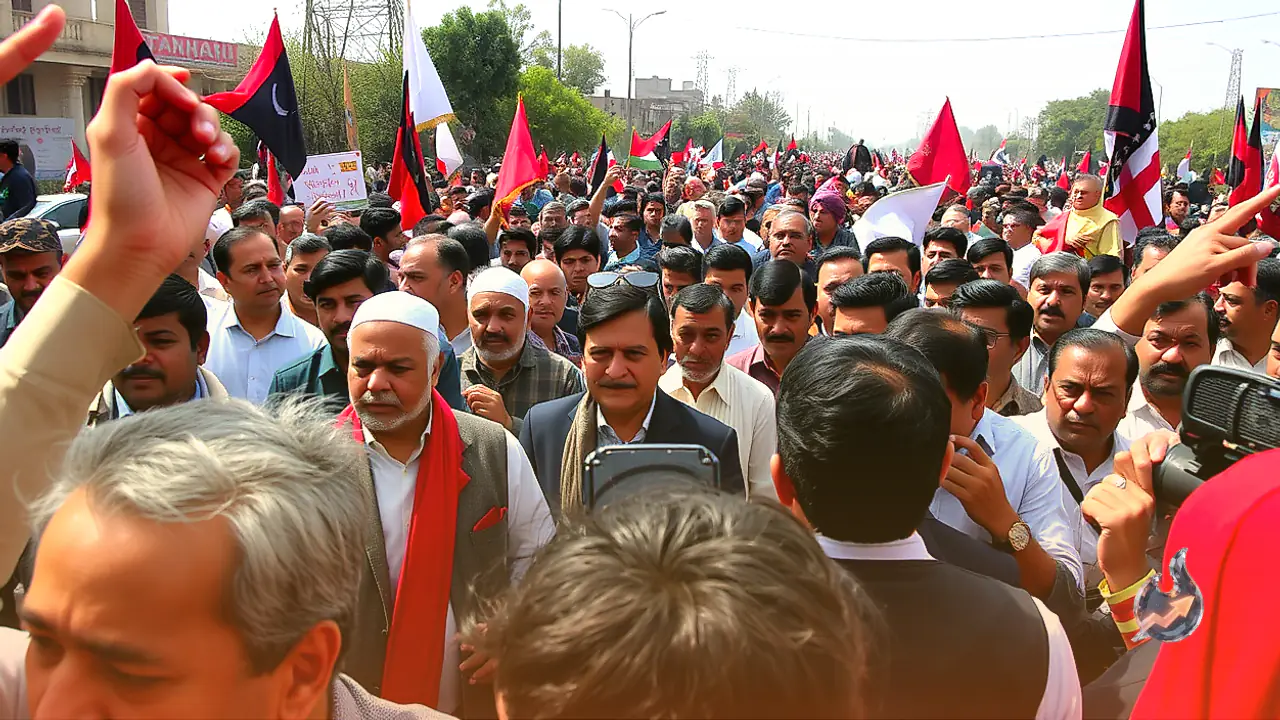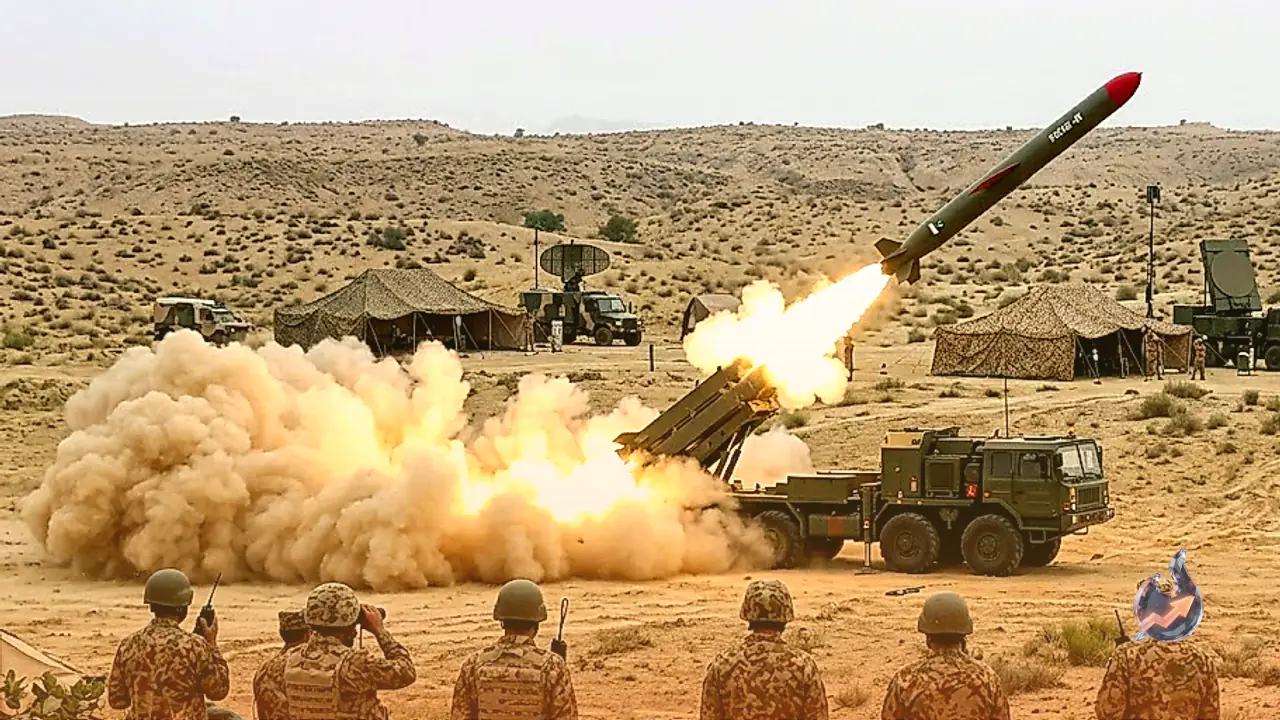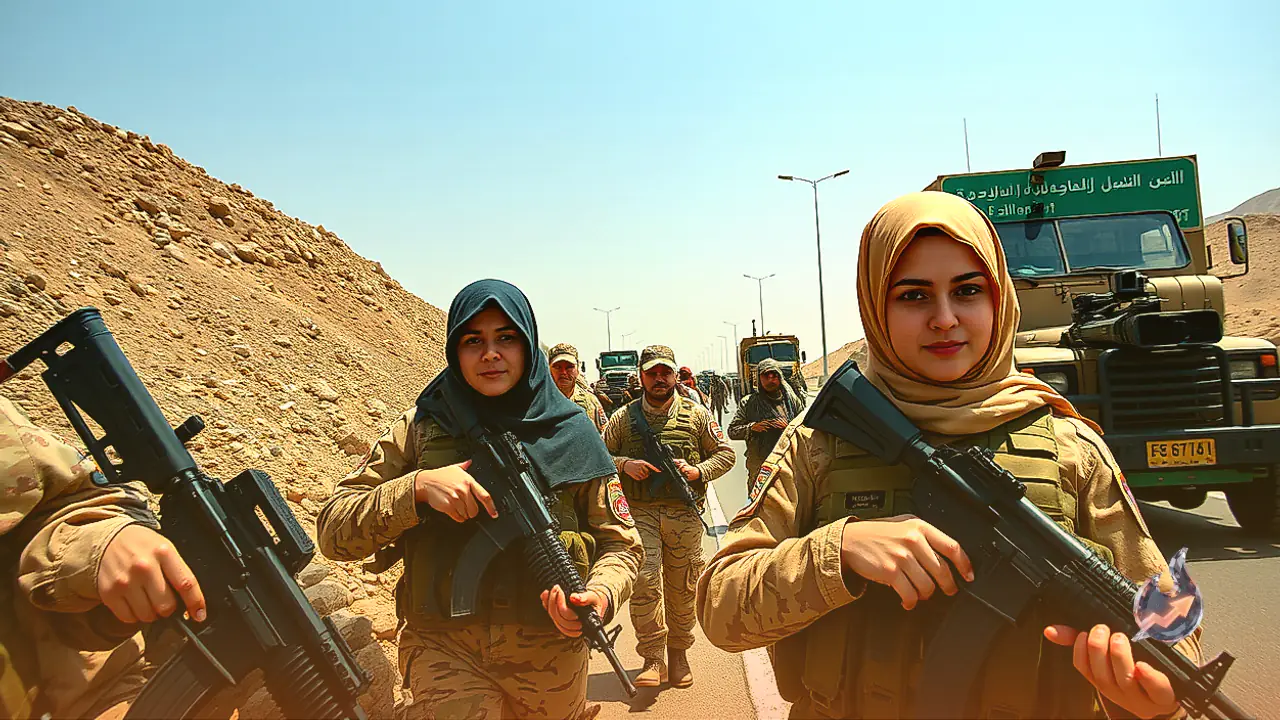






















Pakistan is grappling with a severe economic downturn, soaring inflation, and depleting foreign exchange reserves alongside escalating security challenges in Balochistan and along the Afghan border. Amid these compounding crises, a major restructuring of the country's governance framework is underway. Discussions at the military headquarters in Rawalpindi center around a detailed 10-year roadmap designed to replace Pakistan's traditional parliamentary system with a presidential model, consolidating executive authority to streamline national decision-making.
Transition from Parliamentary Structure to a Presidential Governance Model
The proposed 10-year framework aims to phase out the prime-ministerial and parliamentary governance setup, delegating primary executive powers to the presidency. The underlying objective is to prevent policy volatility resulting from frequent civilian government transitions. Proponents argue that a centralized presidential structure will ensure continuity in long-term economic planning, defense policy, and foreign relations, enabling Pakistan to negotiate more decisively on international platforms with key global partners such as the United States, China, and Gulf nations.
Civilian Political Failures and the Military Rationale
The primary justification for this structural overhaul stems from the perceived inefficiency of civilian political administrations. Established political dynasties, including the Sharif and Bhutto-Zardari families, have faced criticism over decades of political instability, economic mismanagment, and systemic patronage. The ongoing economic strain under the current administration of Shehbaz Sharif, combined with mounting foreign debt, has fueled arguments that coalition politics impedes decisive governance. Consequently, the proposed plan seeks to shift governance away from party politics into a centralized executive decision-making body.
Inspiration Drawn from Governance Models in Turkey and Egypt
The structural changes under discussion draw heavily from the governance models of Turkey and Egypt. In Turkey under President Erdogan and in Egypt under President Al-Sisi, significant executive authority is concentrated within the presidential office while parliamentary bodies function primarily in legislative oversight capacities. Following a similar blueprint, Pakistan's proposed system seeks to grant the president broad authority over strategic, financial, and security affairs without needing constant parliamentary consensus.
Proposed 28th Constitutional Amendment and Administrative Restructuring
To establish a legal framework for these reforms, preparations for a 28th constitutional amendment are being considered. Beyond altering the core structure of government, the proposed draft includes provisions for administrative territorial realignment. Major provinces such as Punjab and Sindh could be divided into smaller administrative units. This division aims to dilute provincial political leverage, reinforce federal centralization, and reallocate budgetary distributions to ensure steady funding for defense and federal priorities.
Economic Control Through SIFC and Military Oversight
In addition to political restructuring, economic management is being reorganized under a 10-year strategy driven by the Special Investment Facilitation Council (SIFC). Featuring direct participation from senior military leadership, the SIFC focuses on driving foreign direct investment (FDI), mining projects, agriculture, and natural resource extraction. This council provides an institutional mechanism to isolate major economic and investment projects from political shifts and place them under direct federal and military oversight.
Historical Legacy of Military Rule Amid Ongoing National Crises
Pakistan has experienced extended periods of military rule under past generals, including Ayub Khan, Yahya Khan, Zia-ul-Haq, and Pervez Musharraf. While previous military interventions relied on direct coups or martial law declarations, the current 10-year master plan utilizes constitutional amendments and institutional restructuring to codify executive authority. As Pakistan faces mounting security challenges from Tehrik-i-Taliban Pakistan (TTP) and regional unrest in Balochistan, the execution of this governance roadmap represents a pivotal shift in the country's political trajectory and administrative setup.