






















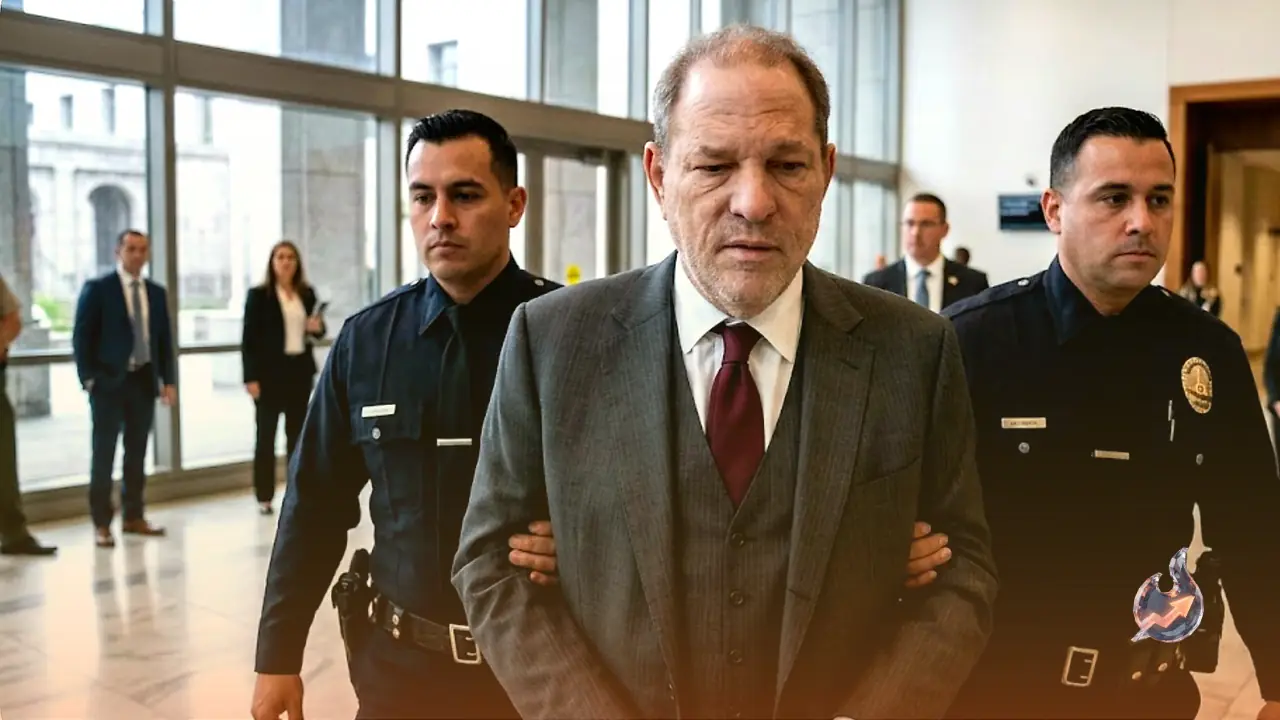

Harvey Weinstein's rape and sexual assault convictions from a December 2022 Los Angeles County trial will remain on the books. California's 2nd District Court of Appeal, in a unanimous decision issued Friday by a three-judge panel, confirmed the guilty verdicts against the 74-year-old. However, the same ruling concluded that the 16-year prison sentence he received cannot stand and directed the original trial judge to conduct a fresh sentencing hearing.
Spokesman Issues a Reaction
Weinstein's spokesman Juda Engelmayer released a statement by email following the ruling.
"We are disappointed by todays decision and respectfully disagree with the Court of Appeals conclusions regarding the fairness of Mr Weinsteins trial. At the same time, the court correctly recognised that his sentence cannot stand."
The statement acknowledged a defeat on the question of the convictions themselves while claiming a partial win on the sentencing question.
What the Defense Argued
Weinstein's legal team had been pushing for an entirely new trial in the Los Angeles case, not merely a revised sentence. Their appeal focused on what they described as an unfair restriction placed by Superior Court Judge Lisa B. Lench on testimony from the head of a film festival. The defense contended that blocking those questions left them unable to fully contest the credibility of the accuser's account before the jury.
The Charges and the Woman Behind Jane Doe 1
The convictions that survived Friday's appeal comprised one rape count and two sexual assault counts. All three charges stemmed from an incident involving an Italian model and actor who was referred to throughout the criminal proceedings as Jane Doe 1. After the trial concluded, she came forward publicly under her own name, Evgeniya Chernyshova, when filing a civil lawsuit.
Chernyshova testified that during the 2013 LA Italia Film Festival, Weinstein appeared uninvited at her hotel room and assaulted her. The defense maintained that trial lawyers were improperly denied the right to question Chernyshova about Facebook messages she had exchanged with festival head Pascal Vicedomini. Their argument was that those messages would have pointed to a sexual relationship between Chernyshova and Pascal Vicedomini, which they believed was relevant to how the jury should weigh her testimony.
New York Case Dropped One Day Earlier
The California ruling arrived the day after prosecutors in New York made a significant announcement of their own. On Thursday, they said they would not put Weinstein through a fourth trial there, dropping a case connected to the #MeToo era. The accuser in that New York matter said she was not in a position to face another round of testimony given what she had already endured through prior court proceedings.
Custody Continues Despite Dropped Case
Despite the dropped New York case, Weinstein has not been freed. He carries a separate sexual felony conviction in New York and continues to be held in custody. The New York rape charge had a turbulent legal path: an initial conviction was overturned, and two subsequent trials both ended with juries unable to reach a unanimous verdict. He is now waiting for a September date when New York will sentence him on the remaining assault conviction.
How the Two Sentences Stack Up
New York prosecutors are seeking a 20-year prison term in connection with that assault conviction. Whatever California sentence emerges from the new resentencing hearing would only begin after Weinstein finishes any New York prison term. That sequential arrangement means his time in custody continues regardless of where the California resentencing process lands.