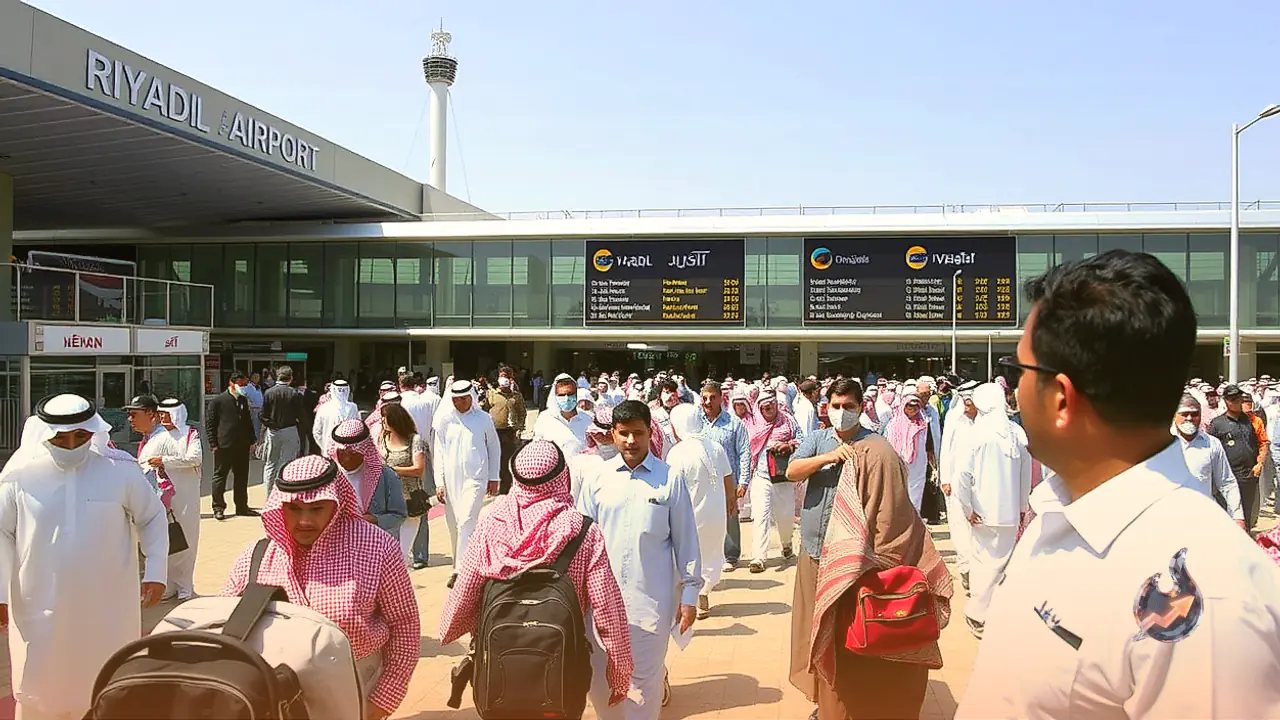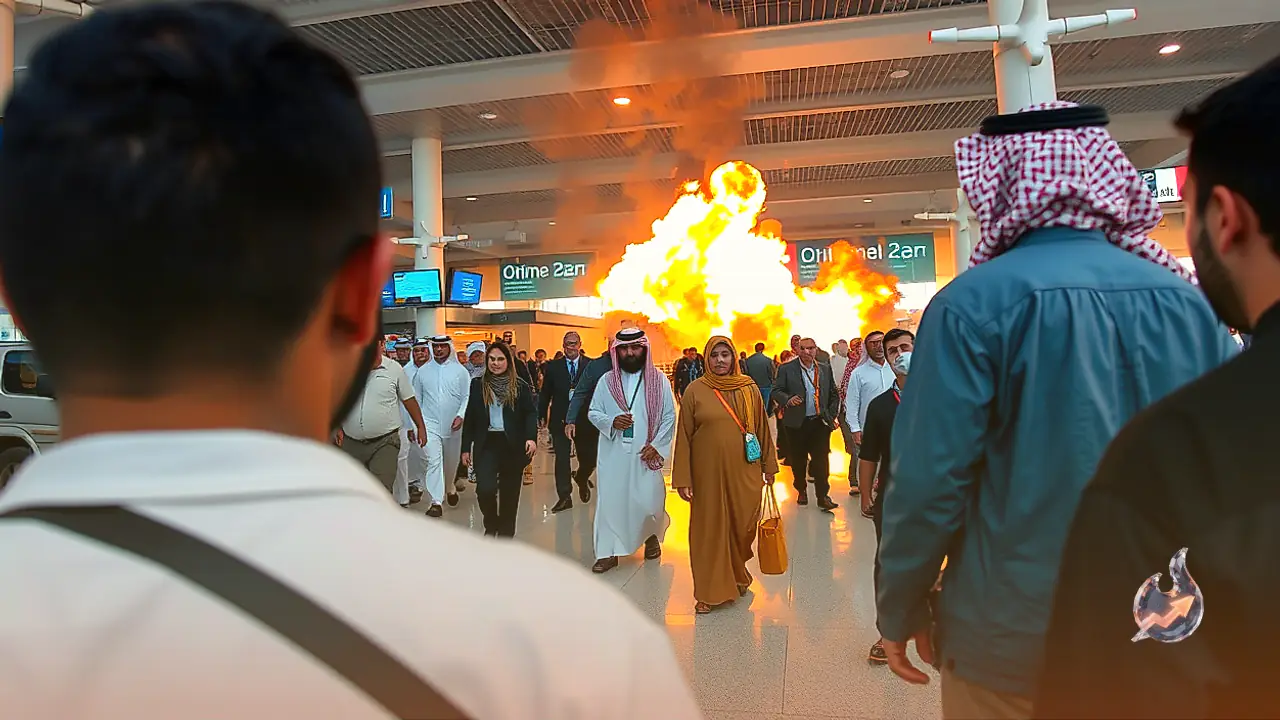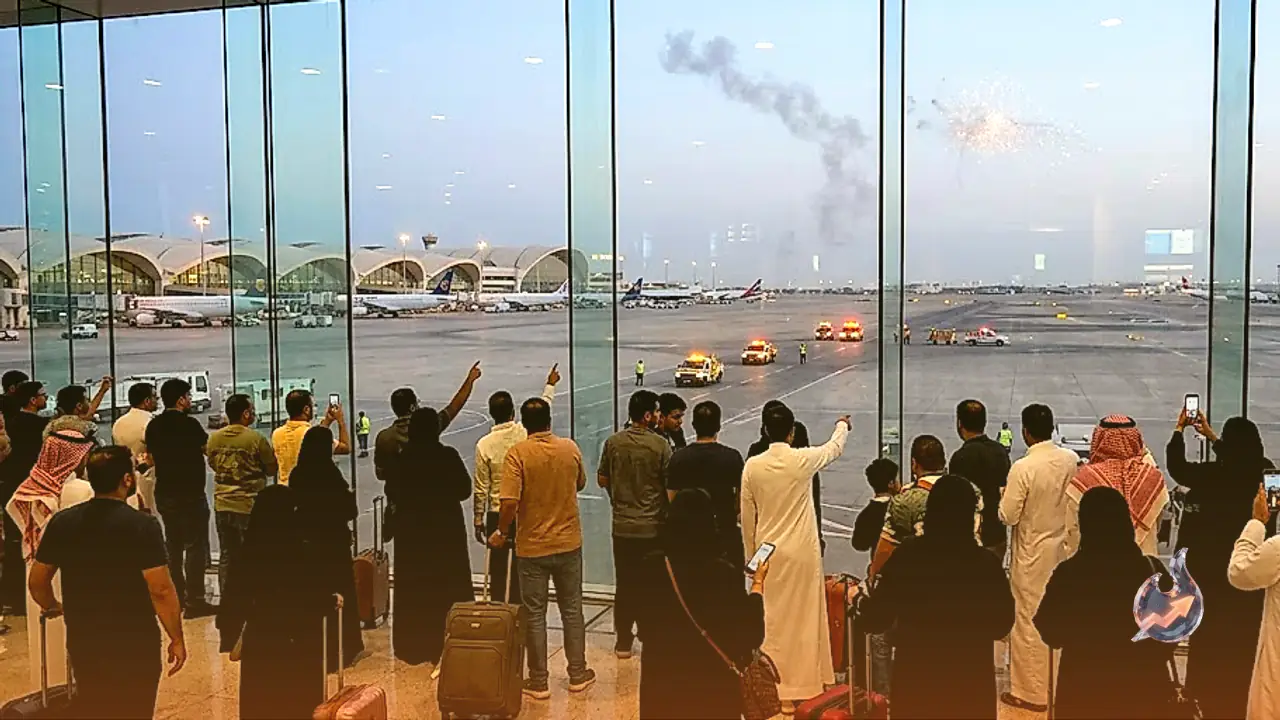























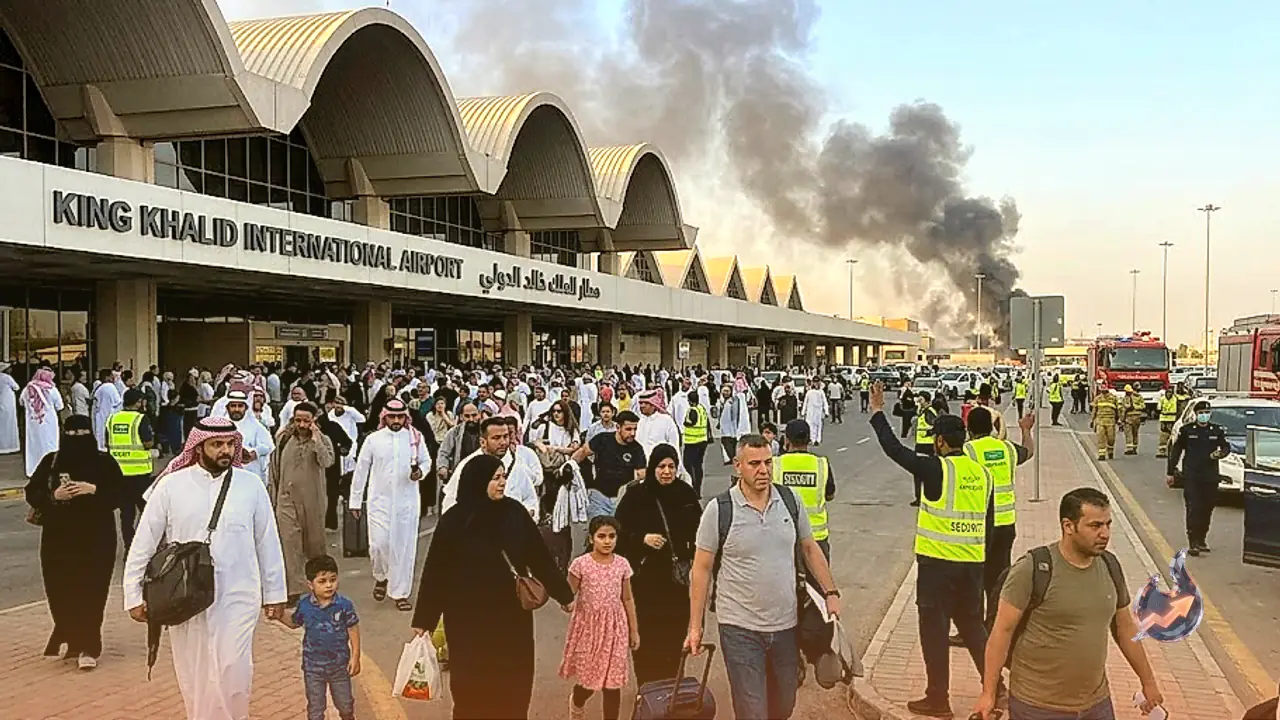

King Khalid International Airport in the Saudi capital of Riyadh was evacuated on Saturday following reports of a loud blast that echoed across the travel hub. Eyewitness accounts indicated that more than a dozen ambulances were dispatched toward the airport grounds shortly after the explosion occurred. While Saudi officials have refrained from issuing an immediate public statement on the episode, airport authorities advised travellers to verify flight statuses directly with their respective airlines before making their way to the terminals.
Spate of Attacks on Aviation Hubs and Casualties
The disturbance in the capital unfolds amid a sharp spike in cross-border violence. Just a day prior, authorities disclosed that three Saudi nationals, among them an aircraft pilot, lost their lives in a pair of assaults carried out by Iran-backed Houthi forces. That followed another round of violence on 6 and 7 October, when strikes directed at two separate Saudi airports claimed the lives of three additional individuals. The repeated targeting of commercial and domestic aviation hubs highlights the severe security pressures bearing down on transportation corridors across the Kingdom.
Escalating Civil War Dynamics in Yemen
The renewed friction stems from intense confrontations between Yemen's Saudi-backed government troops and the Houthi movement, which maintains firm control over most of Yemen's north-western territory. Houthi officials have explicitly framed their ongoing strikes against Saudi Arabia as retaliation for the Kingdom's direct backing of Yemeni state forces on the battlefield. Hostilities grew considerably fiercer after Houthi units conducted a sweeping push to seize critical corridors along the Red Sea coast. This advance brought them control over the port of Mokha along the Bab al-Mandab Strait, an exceptionally narrow geographical transit point that functions as a crucial chokepoint for global commercial shipping. Yemeni pro-government forces later asserted that they had successfully secured the strait situated at the Red Sea's southern entrance.
Collapse of the Truce and Red Sea Disruptions
The wider intervention took shape back in 2015, when a coalition led by Saudi Arabia was formed alongside allied Arab states to halt Houthi advances and protect Yemen's internationally recognised government. Years of reciprocal air raids and fierce ground combat subsequently cost hundreds of thousands of lives and plunged the population into one of modern history's most catastrophic humanitarian disasters. Although an internationally brokered temporary ceasefire took effect in 2022, offering a fragile respite, the informal agreement began to unravel rapidly in July. In response, Houthi commanders proclaimed a maritime embargo directed against Saudi Arabia and unleashed an intensified barrage of drone and missile strikes targeting Saudi airports, petroleum installations, and commercial tankers navigating the Red Sea. The group asserted that these military operations served as retribution for prolonged Saudi blockades and a previous air strike on the airport in Sanaa.