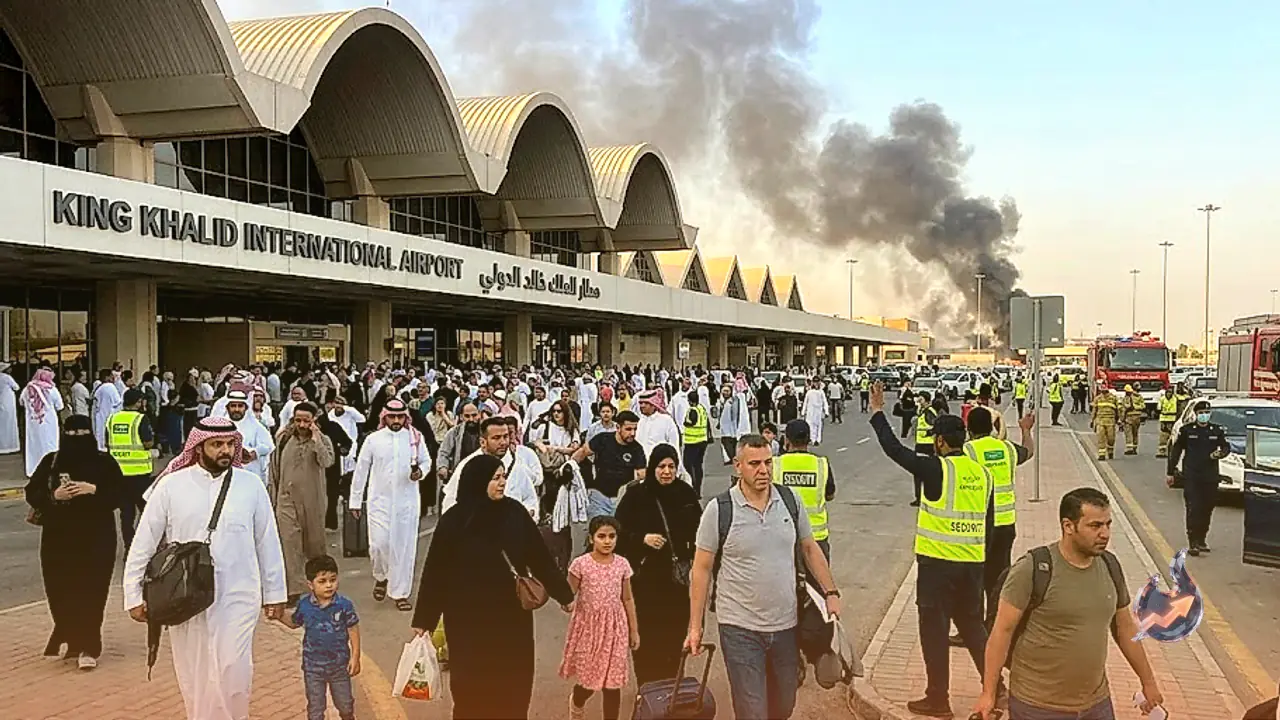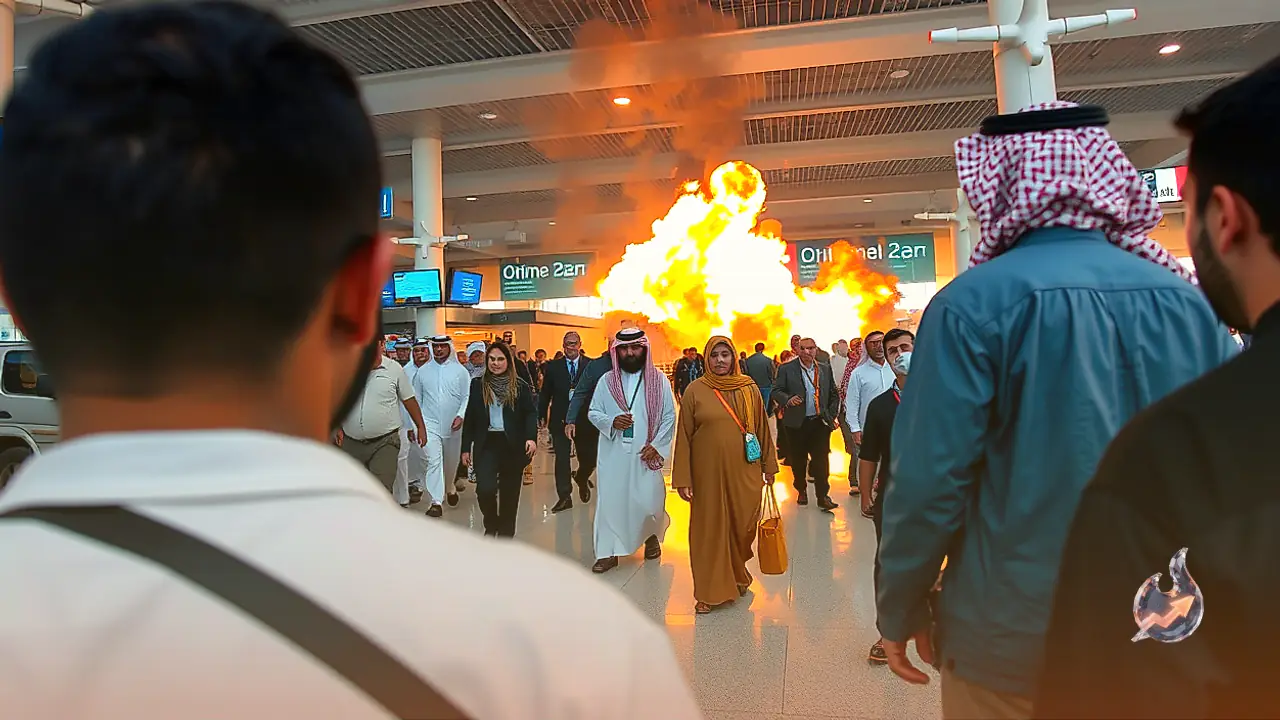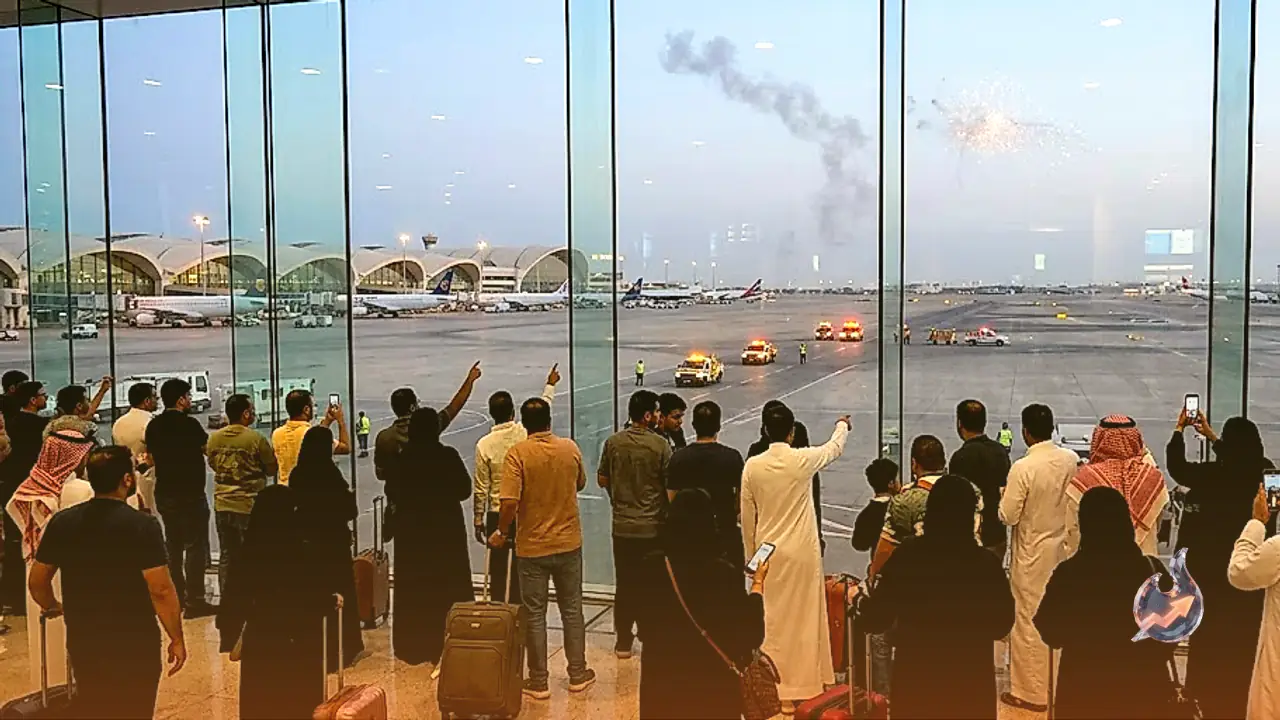























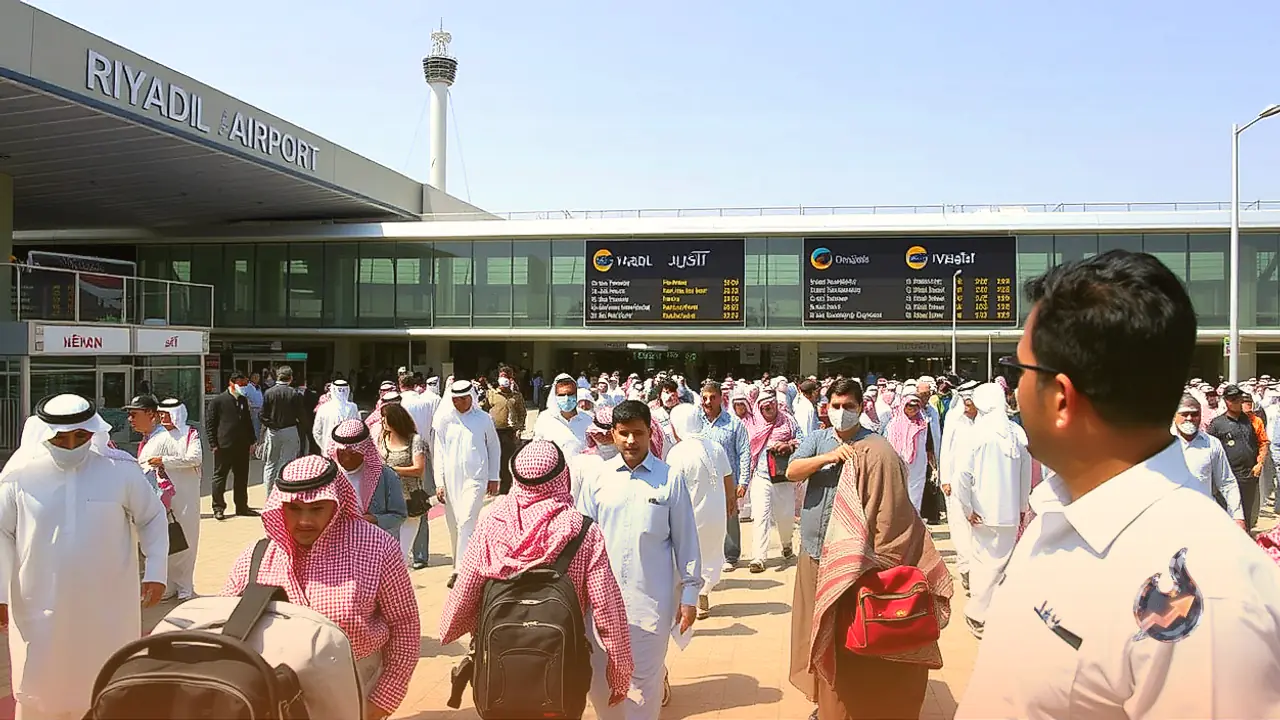

King Khalid International Airport in the Saudi capital was targeted in another strike on Saturday, forcing security teams to evacuate the facilities and ground all incoming and outgoing flight operations. The incident was confirmed by two regional officials as security pressures escalate across the Arabian Peninsula. The latest disruption arrives merely 2 days after an earlier airport assault killed 3 Saudi citizens, including a commercial pilot. Amid expanding regional hostilities, the Kingdom is now confronting sustained military threats across its vital transportation hubs and civil infrastructure.
Facility Cleared and Flight Operations Suspended
Following Saturday's strike, personnel quickly moved passengers away from terminal zones and cleared the airport premises. Regional officials noted that all aircraft movements were frozen on the tarmac to prevent further risks. Both officials discussed the developments under condition of anonymity because they lacked official authorization to speak with the media. In response to the sudden disruption, airport authorities issued an advisory alerting travelers to check their flight schedules directly with airline carriers before heading to the airport.
Repeated Incidents at King Khalid International Over the Week
The capital's primary transit hub, King Khalid International Airport, has come under repeated assault over the past week. This surge in hostile activity followed a major military offensive launched by the Saudi led military coalition against Iran backed Houthi rebels inside neighboring Yemen. An earlier strike on Wednesday claimed the life of 1 Sudanese citizen, an action for which Houthi fighters claimed credit. For Saturday's incident, however, the rebel faction did not release an immediate claim of responsibility.
Loud Blasts Shake Central Riyadh
Riyadh resident Ahmed Syed recounted hearing at least 2 powerful explosions reverberating through the city, shaking several districts in the capital. Initial reports did not clarify the exact nature of the weaponry used in the assault or document the full extent of structural damage sustained at the airfield. Saudi authorities also withheld immediate comprehensive details regarding the impact of the attack. On the ground in Yemen, fighting has intensified between Iran aligned Houthi rebels and Yemeni government troops backed by Saudi Arabia. The Saudi led coalition has been delivering air support to government soldiers to blunt recent rebel advances near the Red Sea corridor.
Strategic Maritime Chokepoints and Blockade Retaliation
The forward positions secured by Houthi forces have enhanced their ability to monitor maritime traffic passing through vital sea lanes. This maritime artery holds enormous commercial value, serving as a critical alternative passage to the Strait of Hormuz. Houthi officials have maintained that their targeting is restricted to Saudi ships in direct retaliation for blockades imposed against them. They argue that these military steps are defensive responses against economic isolation. Nevertheless, fears remain widespread that cross border assaults could soon expand to additional civilian and industrial targets.