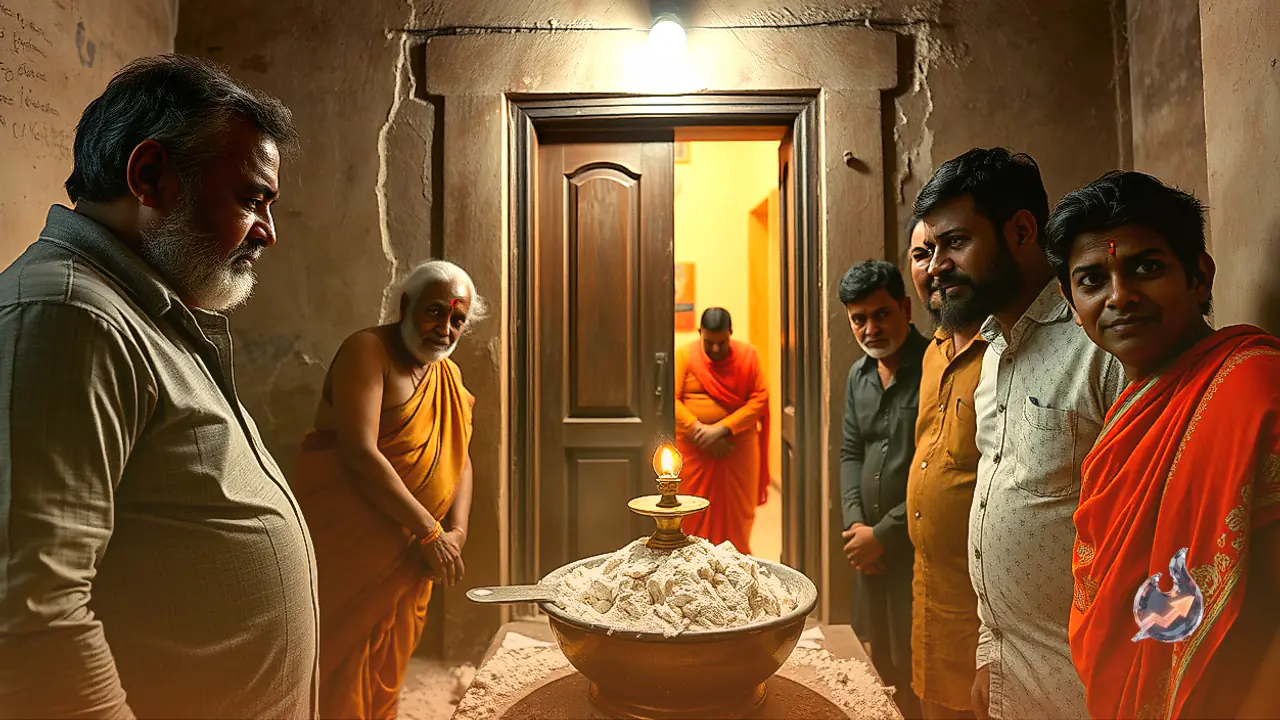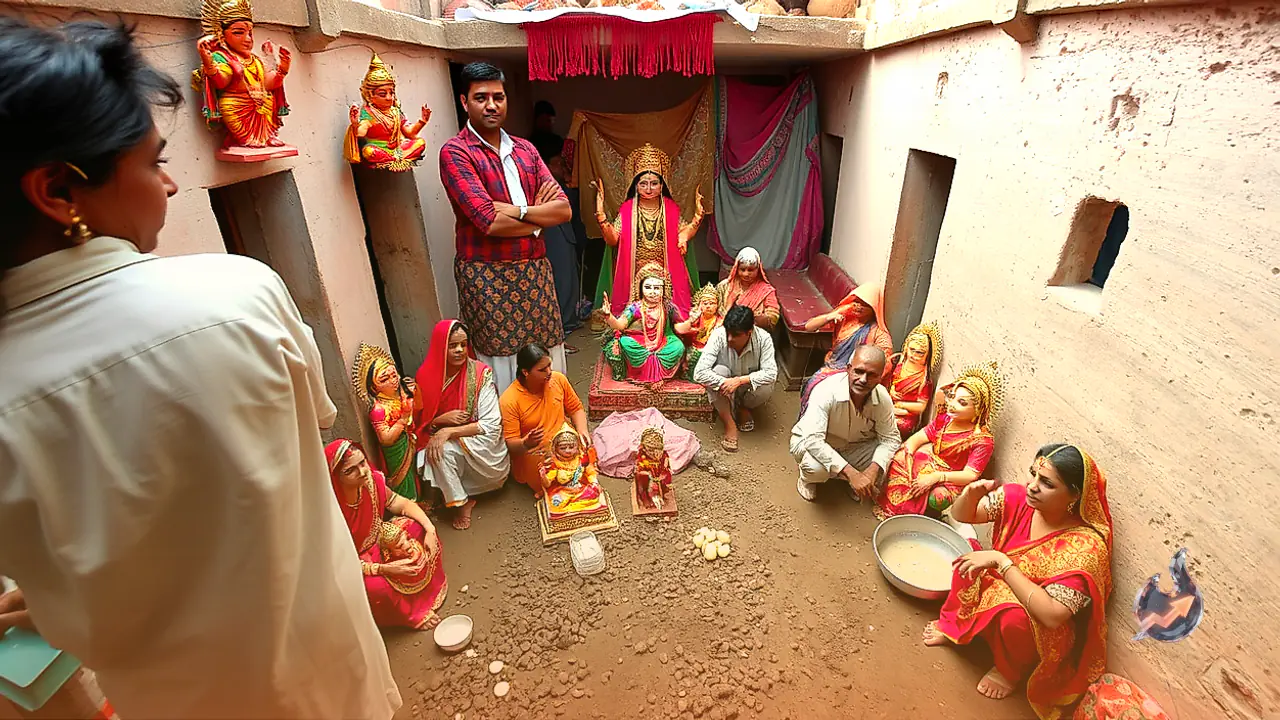



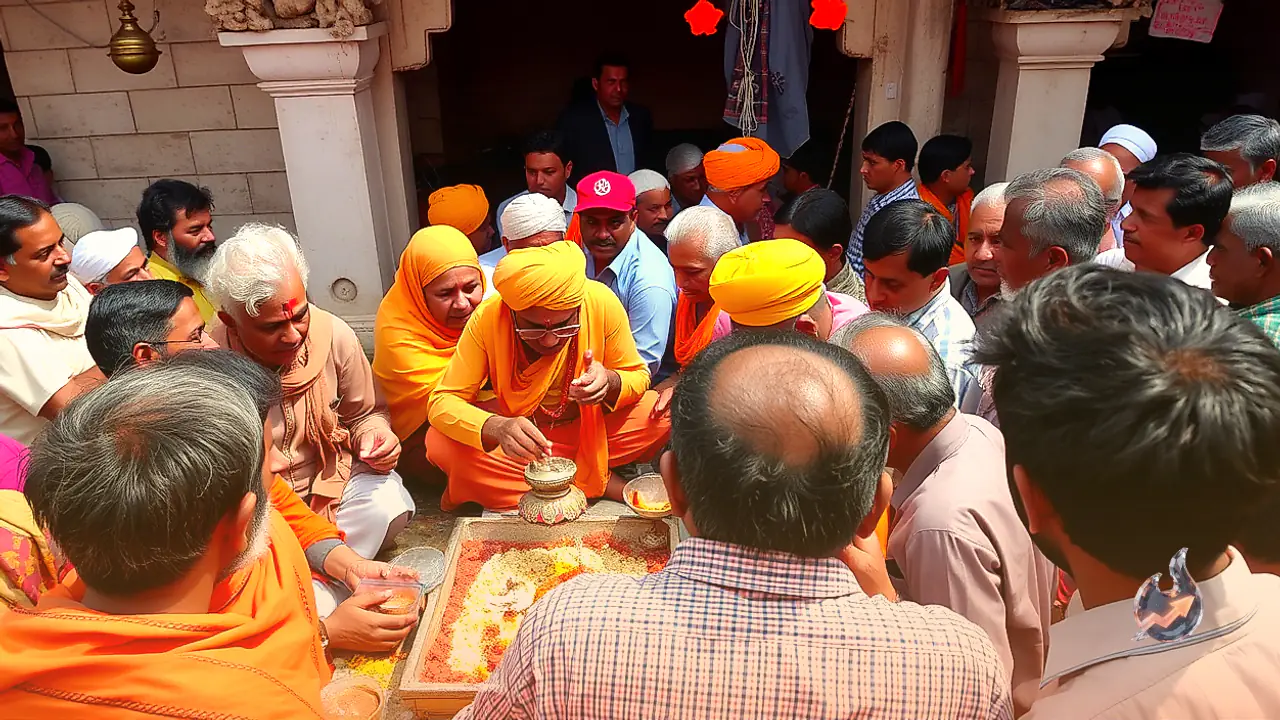


















Within Sanatan tradition, the fortnight of Pitru Paksha holds profound spiritual significance as a dedicated period to remember and honor ancestors. These fifteen days are considered exceptionally auspicious for performing tarpan, shradh rituals, and pind daan. According to sacred scriptures, the contentment of ancestors ushers peace, prosperity, and success into a household. Conversely, neglected or displeased ancestral spirits are believed to bring financial hardships, persistent family obstacles, and health ailments. Adhering to established traditional guidelines helps households avoid these spiritual afflictions and gain enduring blessings.
Selecting the Right Date and the Significance of Amavasya
Pandit Anupam Maharaj explained that the period of Pitru Paksha began on Sunday. To ensure peace for departed souls, rituals of shradh and tarpan ought to be performed on the exact death anniversary tithi of the ancestor. However, if family members do not remember the precise date, scriptures permit performing the rites on the day of Amavasya. Classical texts identify Amavasya as the most virtuous and meritorious date, making it an ideal occasion to offer tribute to all ancestors collectively.
Rites at Sacred Riverbanks and Feeding Brahmins
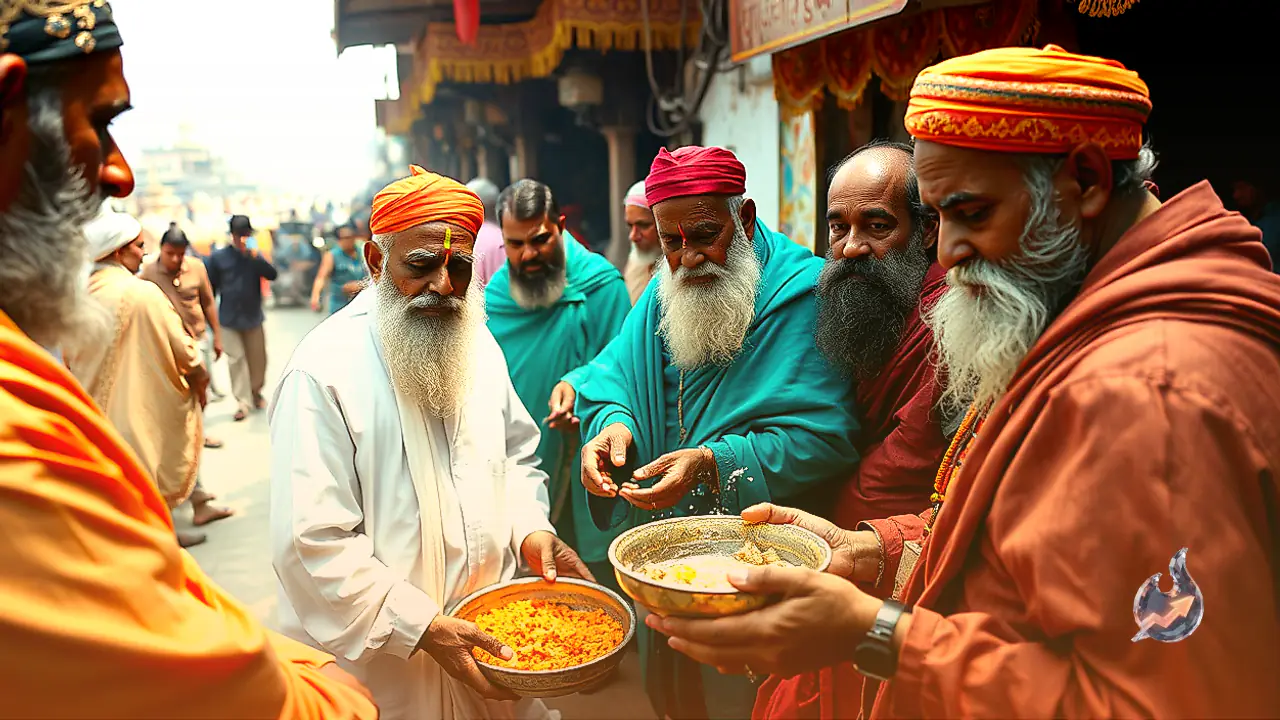
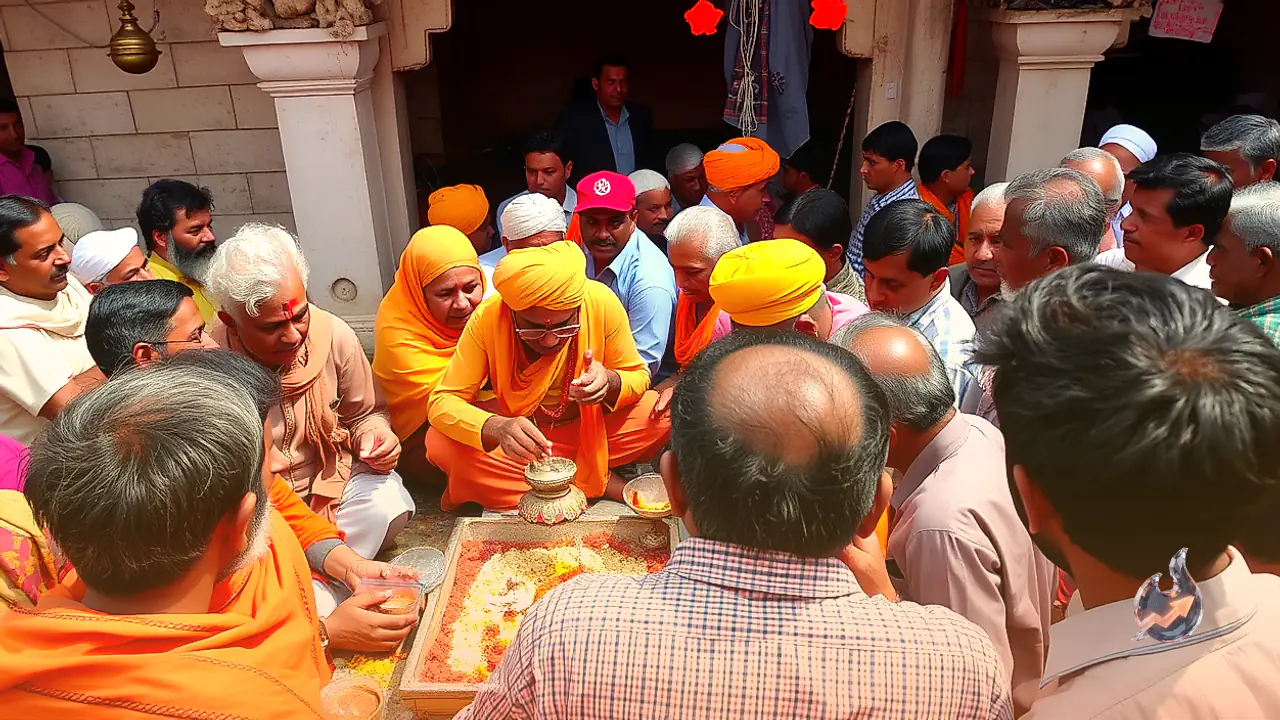
Throughout Pitru Paksha, individuals carry out religious rituals either at home or across recognized pilgrimage locations. Offering pind daan to departed ancestors and reverently feeding Brahmins remain integral components of the tradition. Performing pind daan along the banks of the sacred river Ganga is regarded as uniquely rewarding. Ritual bathing in the Ganga followed by offering shradh rites along its shores is believed to yield exceptional spiritual merits and divine solace for departed souls.
Essential Discipline, Dietary Restraint, and Charity
Maintaining purity in thought, conduct, and lifestyle is essential throughout the entire Pitru Paksha period. Observers are advised to strictly practice celibacy and consume satvik meals. Staying completely away from non-vegetarian food, meat, and all forms of intoxicants is mandatory. Engaging in acts of selfless charity and virtuous giving during these days pleases ancestors, prompting them to bestow good health, joy, and prosperity upon their lineage.
Consequences of Neglecting Rites and Mitigating Pitru Dosha
Failing to perform shradh rituals for departed forebears during this dedicated month can lead to severe pitru dosha. Such spiritual imbalances frequently manifest as reproductive and child-related challenges, family discord, and lingering misfortunes. For this reason, scriptures strongly urge that even if the specific tithi cannot be observed, pind daan must still be performed on Amavasya. Respecting these sacred traditions ensures that offerings are accepted, granting the household long-lasting peace and ancestral protection.