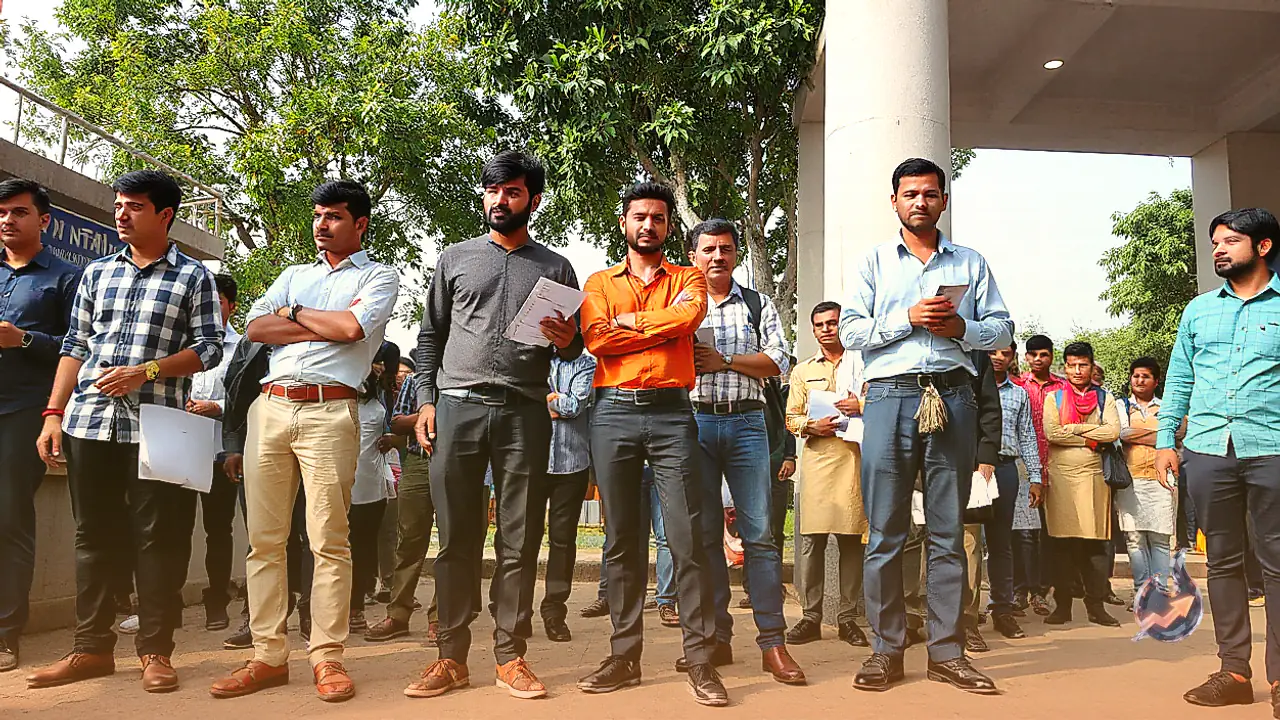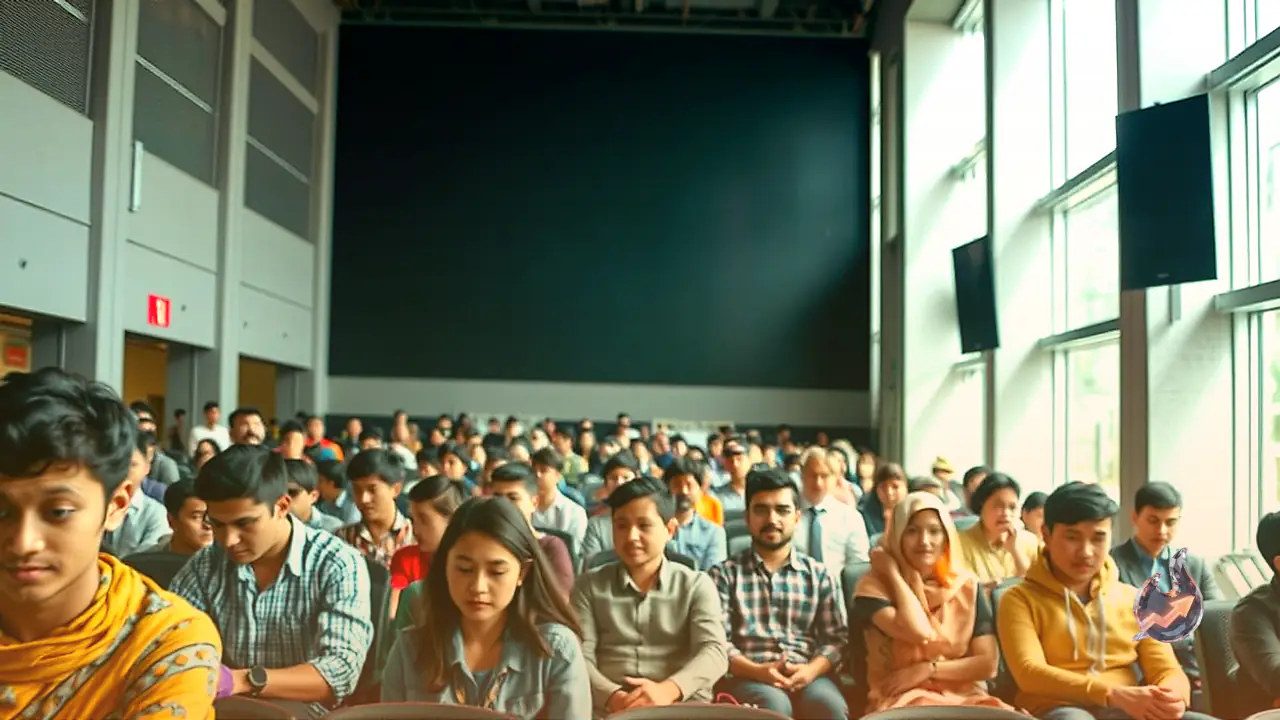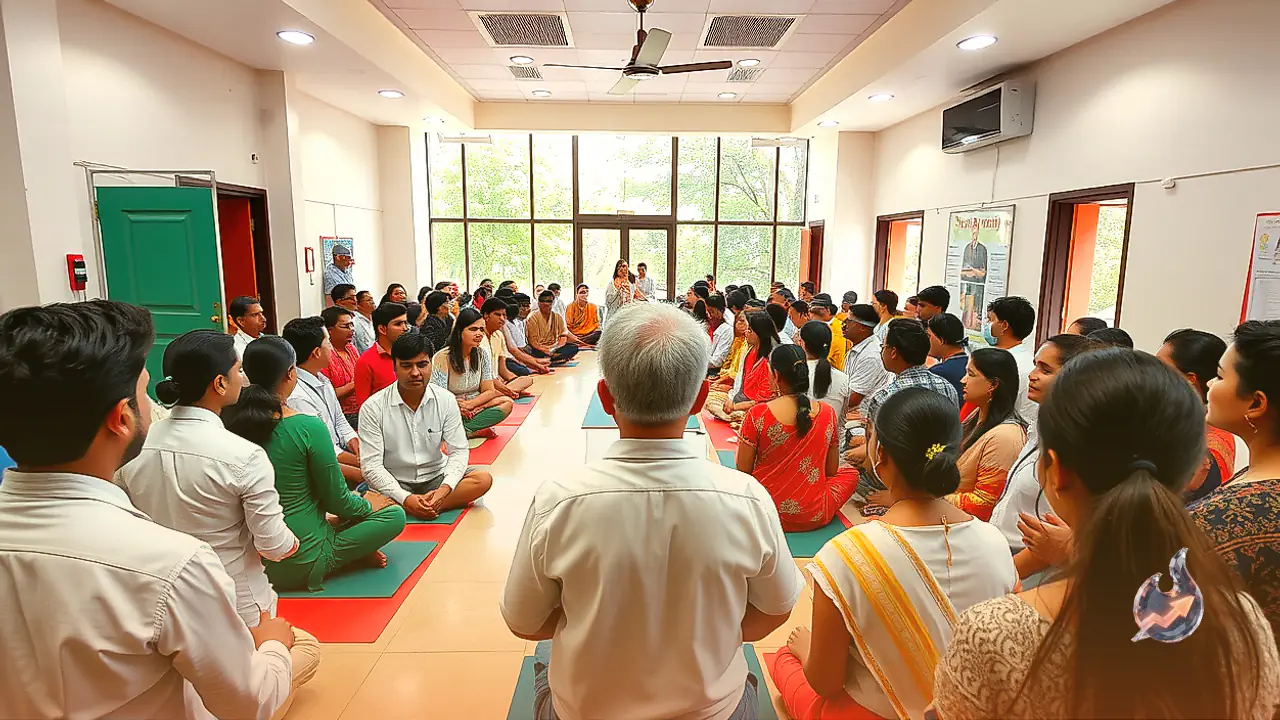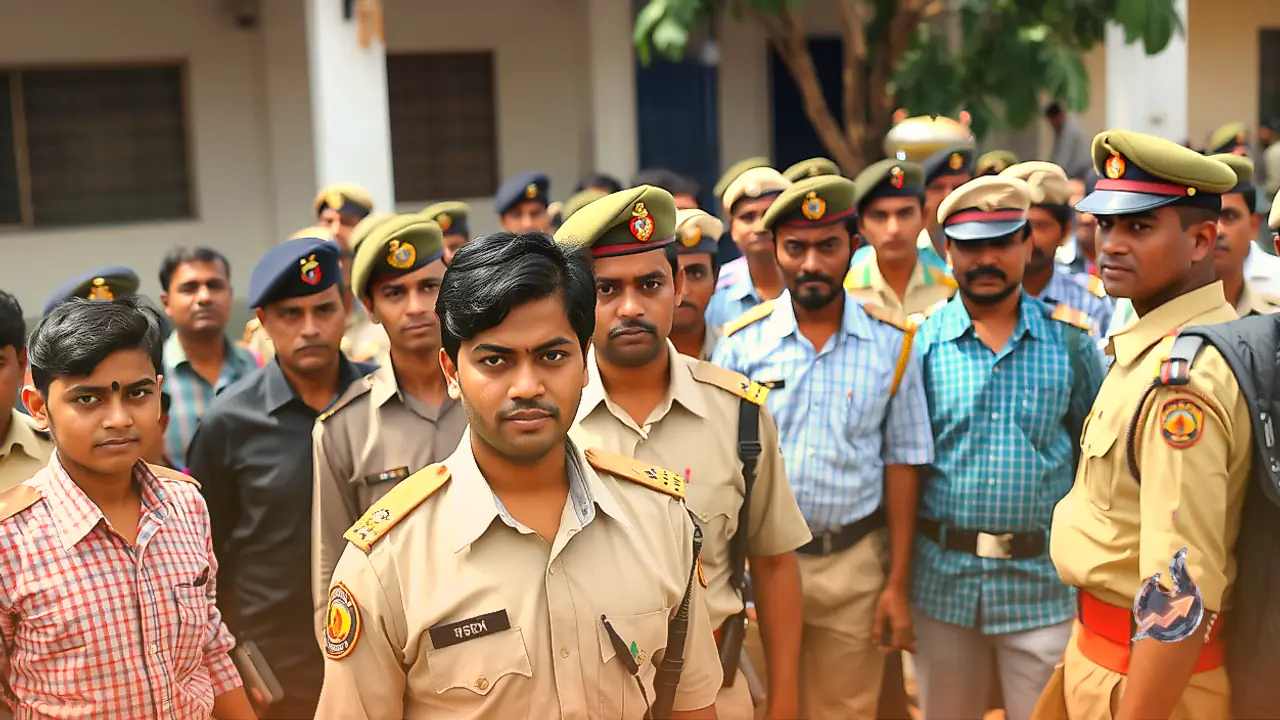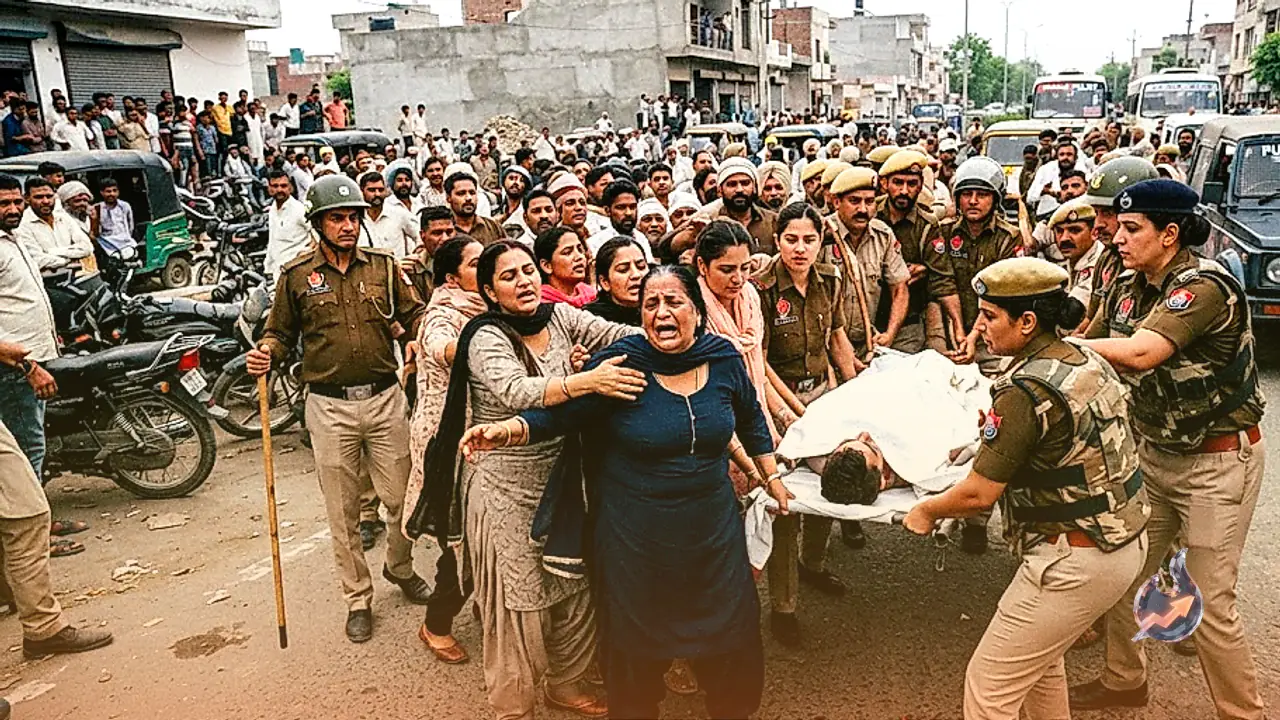




















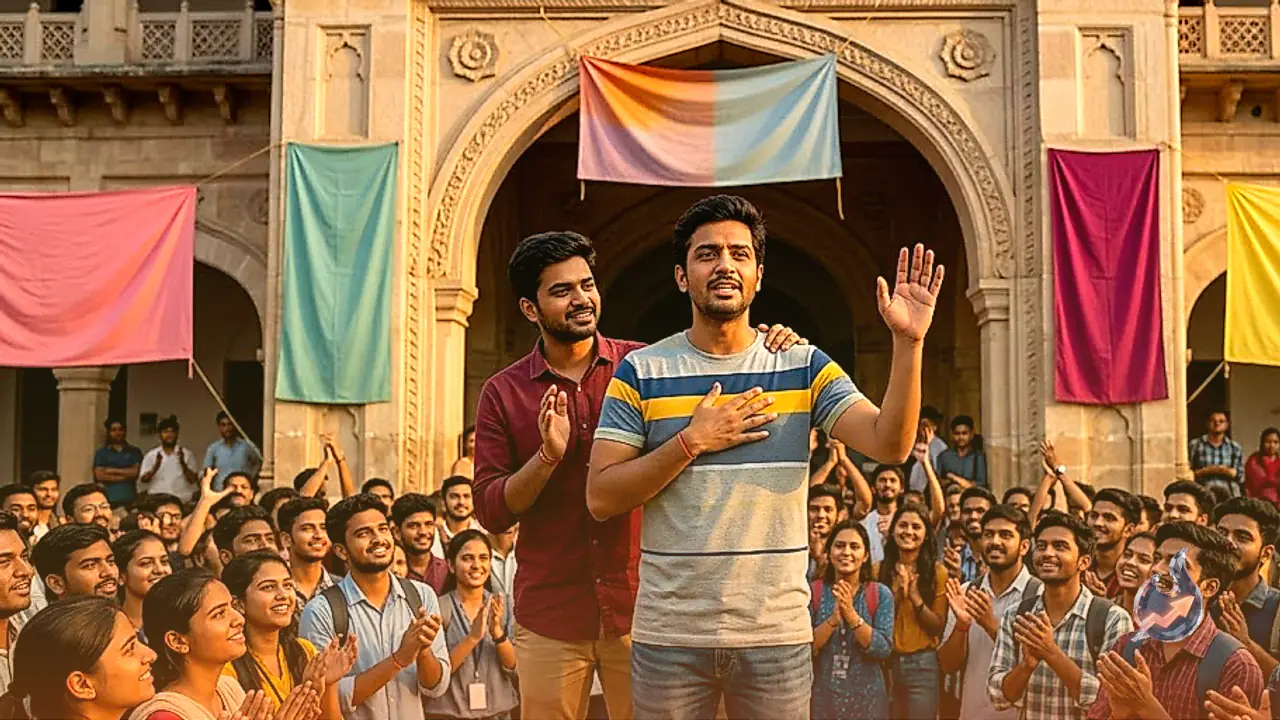

The 24-hour student demonstration at KBPG College in Mirzapur, Uttar Pradesh, over the demand for an increase in admission seats has concluded following official assurances. Student protesters called off their hunger strike after university authorities promised to fulfill their demand, bringing significant relief to numerous candidates awaiting admission.
A 24-Hour Protest and Official Intervention
The agitation began after many prospective students found themselves unable to secure admission at KBPG College due to the non-issuance of seat expansion orders for the current academic session. Students insisted that, as in previous years, an increase in seats was necessary to accommodate qualified applicants who had been left out. As delays persisted without any administrative notification, students initiated a continuous 24-hour protest and hunger strike. Recognizing the escalation, college administrators drafted a formal letter to the university requesting an immediate expansion of seats. The university subsequently offered firm assurances that the demand would be addressed, prompting students to end their strike.
Impact of University Affiliation Transition
The underlying context of this recurrent issue is tied to the college's shift in university affiliation. Previously, KBPG College was affiliated with Mahatma Gandhi Kashi Vidyapith, under whose governance annual seat increases were regularly sanctioned. However, following its transition under Maa Vindhyavasini University, students experienced similar hurdles last year, which also required protests before seat quotas were raised. The absence of a timely seat enhancement order this academic year triggered renewed anxiety among students, forcing them to resume demonstrations to safeguard their academic prospects.
Concerns Raised over Education Access for Underprivileged Students
Highlighting the urgency of the situation, student representative Suchit Pandey stated that KBPG College is widely regarded as a critical institution for students coming from economically weaker backgrounds. He noted that a large majority of the student body belongs to low-income families who rely on affordable local higher education. Suchit Pandey emphasized that the failure to expand seats disproportionately impacts these vulnerable students, leaving them stranded without alternative educational options. It was this pressuring concern that drove students to stage the sit-in until officials stepped in with concrete assurances.
Allegations regarding Admission Disparities and Vacant Seats
Another protesting student, Ajma Khan, raised concerns regarding fairness in the ongoing admission process. Ajma Khan revealed that despite a considerable number of seats remaining unfilled at the institution, ordinary students were struggling to gain entry. She alleged that candidates with strong influence or connections were being prioritized for admission, while students lacking such backing were left facing severe difficulties. Protesters urged the administration to increase overall seats and streamline admissions transparently so that all eligible candidates could enroll without bias.