


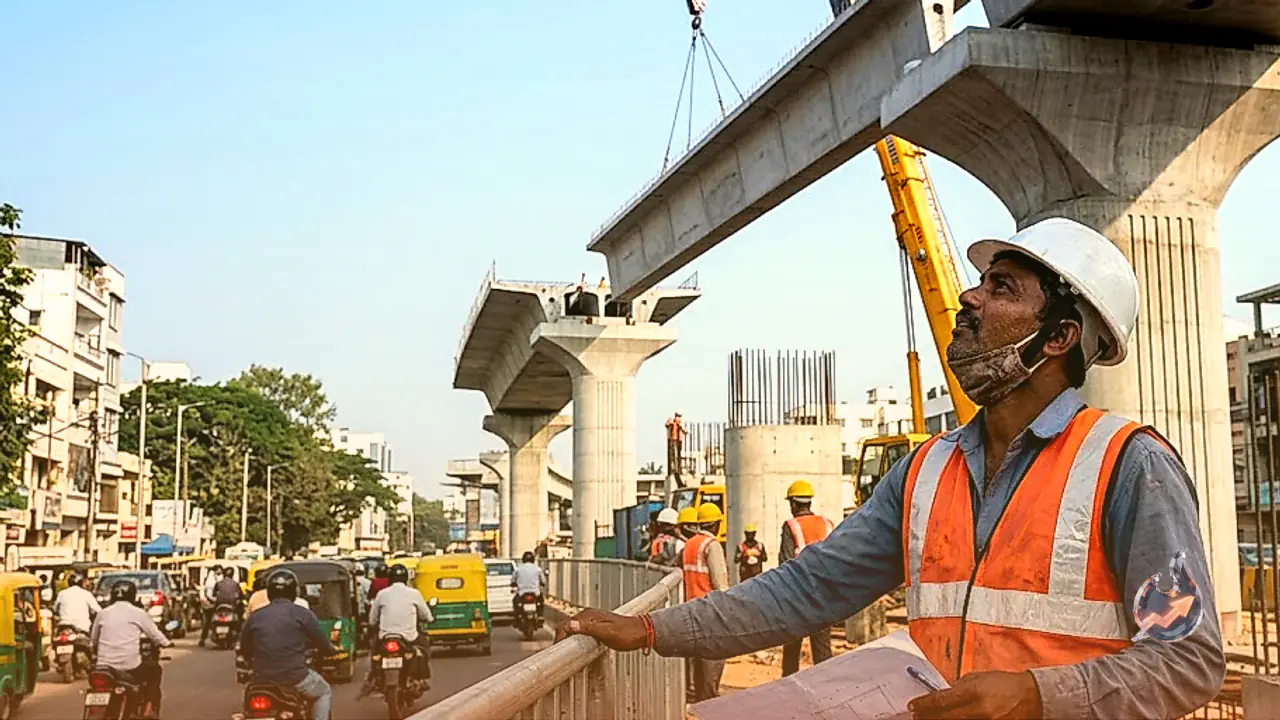
















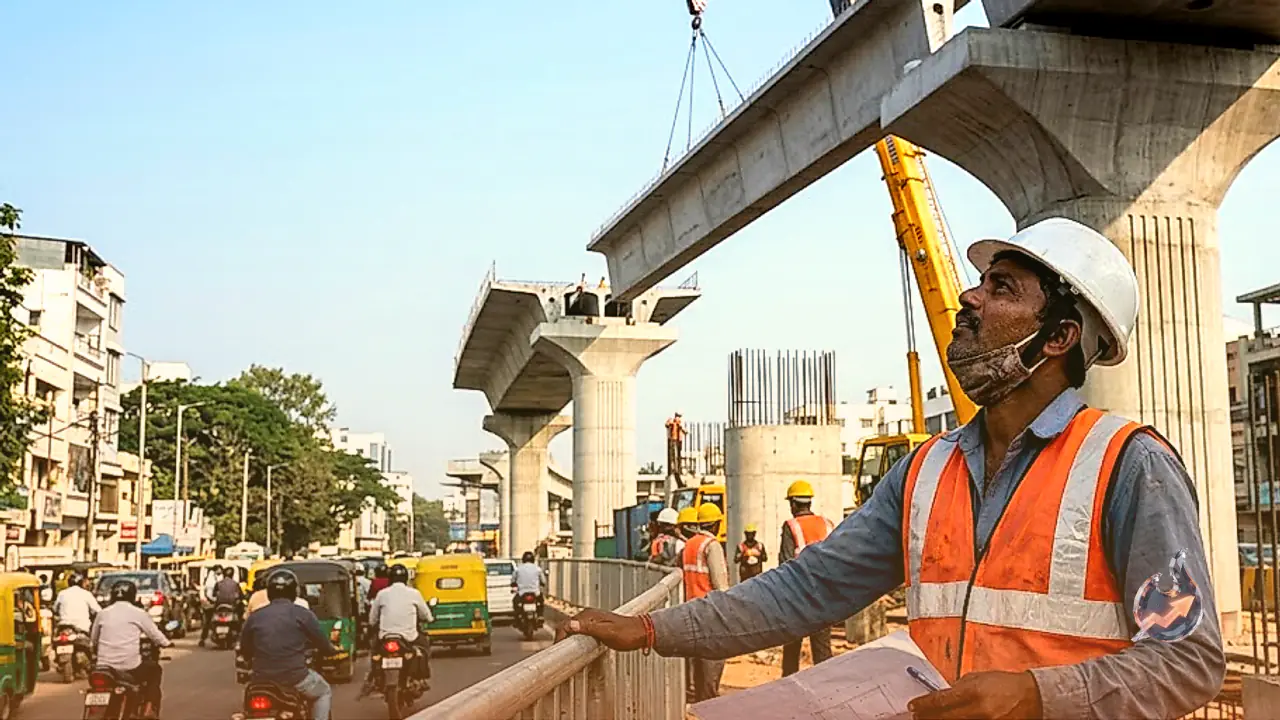

Commuters grappling with severe gridlock across Bengaluru may soon see significant relief as Karnataka authorities push forward with an extensive elevated road network across two critical traffic arteries. The ambitious infrastructure plan is designed to bypass some of the city's worst bottlenecks, offering seamless overhead transit for thousands of daily vehicles. However, accessing these elevated corridors will come at a direct cost to users. The state finance department has confirmed that the upcoming expressway system will operate strictly on a toll-paying mechanism, meaning motorists using the elevated carriageways must pay user fees. At the same time, authorities have carved out an exemption for short-distance trips to minimize friction for local urban traffic.
BOOT Framework and B-SMILE Tenders Launched
According to a senior official from the urban development department, execution responsibilities for the massive venture have been assigned to Bengaluru Smart Infrastructure Limited (B-SMILE). The agency has already published two separate tenders covering a cumulative road length of 46.5 kilometers. The entire development will be carried out under the Build-Own-Operate-Transfer (BOOT) framework, allowing private concessionaires to construct and maintain the flyovers before handing them back. To ensure fiscal feasibility and attract private infrastructure bidders, the state government will provide 40 percent of the project funding directly, while the private operator will recover the remaining capital through long-term toll collections.
Key Alignments Connecting North, East and South Belts
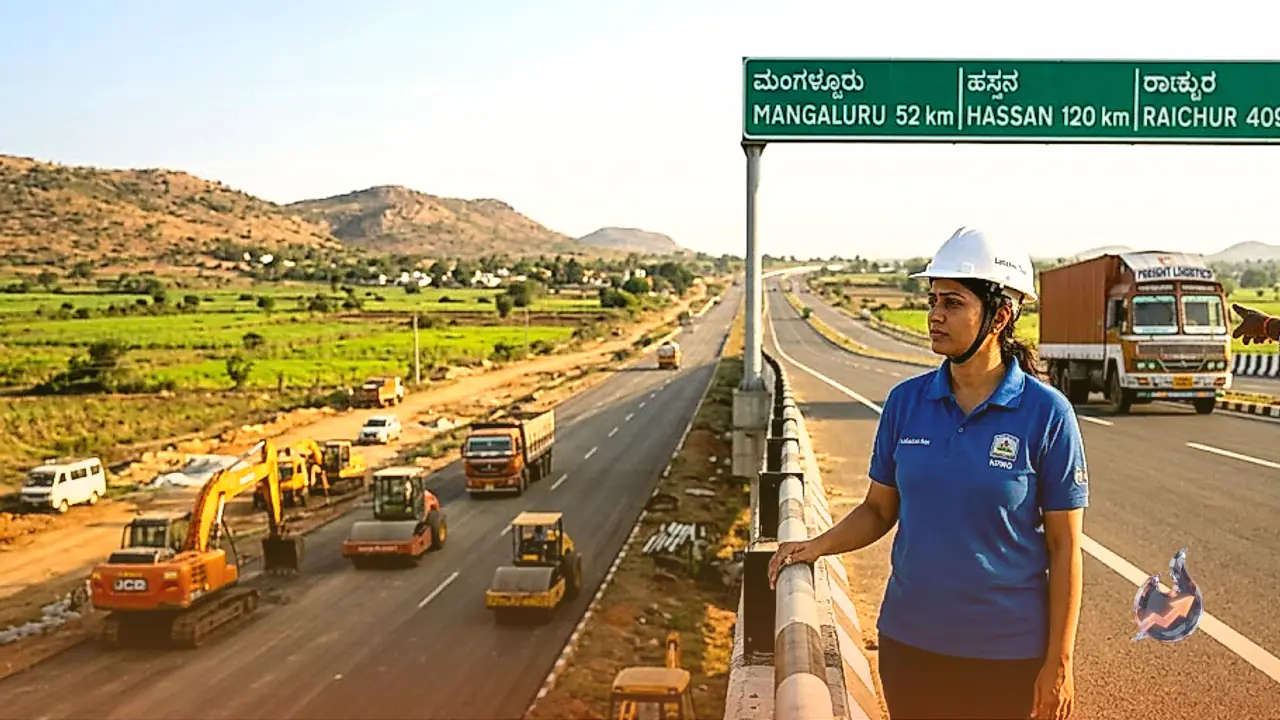
The engineering blueprint divides the 46.5 km corridor into two separate arterial routes. The longer of the two stretches extends 28 kilometers, running from Yeshwanthpur directly to KR Puram, a segment intended to bypass heavy commercial and IT commuting traffic. The second link spans 18.5 kilometers, bridging Marenahalli Main Road with Kanakapura Main Road to decongest southern urban nodes. Official guidelines stipulate that toll collections will kick in only when a vehicle covers a distance greater than 10 kilometers on these structures. In addition, urban planners have drawn up an independent 7 km elevated stretch elsewhere in the city, but because it falls below the mandatory 10 km collection threshold, it will remain entirely toll-free.
Financial Outlay Projected at ₹5,820 Crore
Comprehensive cost projections prepared by the finance department show a total construction expenditure of roughly ₹5,820 crore across both corridors. Out of this aggregate capital requirement, the state treasury is slated to inject approximately ₹2,200 crore to meet its 40 percent viability share. Officials emphasized that this public outlay covers only the civil construction work and does not include the separate budgetary allocation required for acquiring land along the alignments.
Broken down by alignment, the 18.5 km southern arm linking Marenahalli Main Road to Kanakapura Main Road carries an estimated construction bill of ₹2,283.19 crore. The state's 40 percent commitment for this section translates to ₹913.29 crore. Meanwhile, the 28 km northern and eastern connector between Yeshwanthpur and KR Puram requires a larger budget of about ₹3,536.89 crore, where the government's 40 percent financial contribution will amount to ₹1,414.76 crore.
Statutory Basis for the 10 km Toll Exemption
The decision to waive charges for journeys under 10 kilometers stems from established legal provisions governing municipal road pricing. Under the National Highways Fee Rules of 2008, setting up toll collection plazas inside municipal limits is strictly prohibited. Furthermore, the Karnataka High Court ruled in 2026 that no toll fees can be charged within a 5 km boundary of municipal corporation territories. Coupled with NHAI regulations prohibiting fee points within a 9.9 km operational radius, state authorities structured the tolling policy so that only motorists journeying past the 10 km mark on the elevated decks will be required to pay.