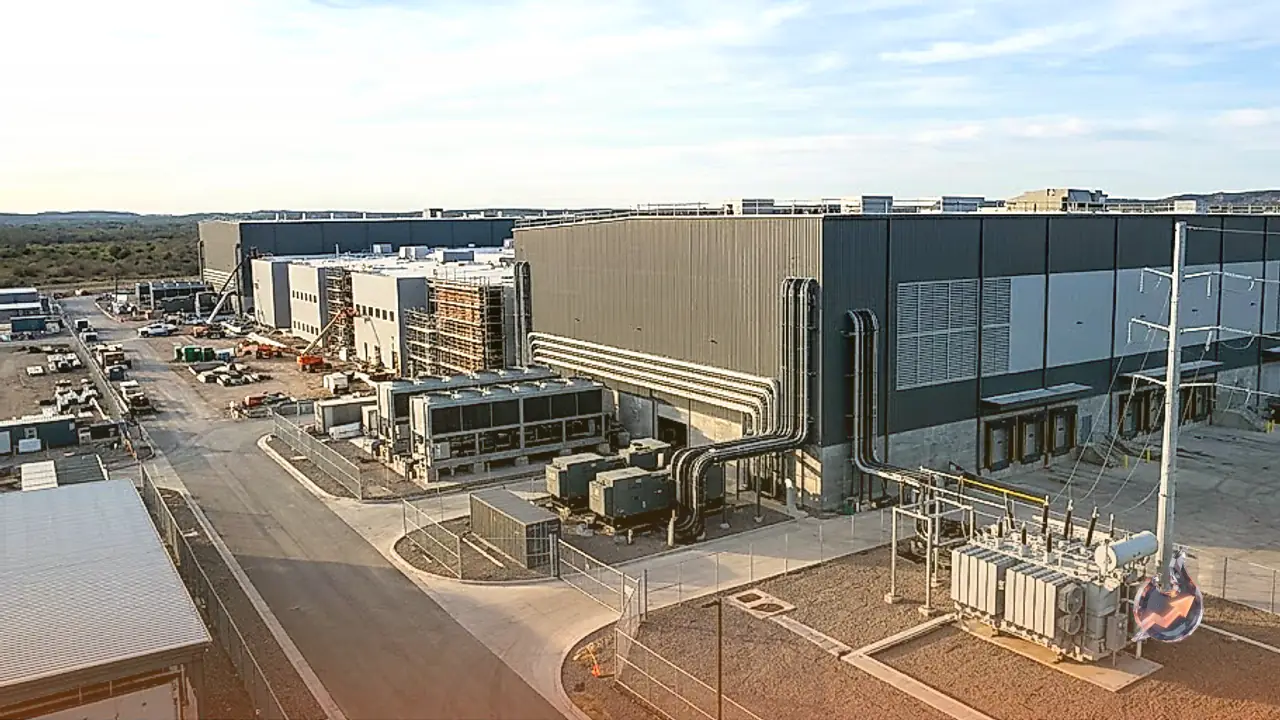






















In a significant setback for the SpaceX-owned artificial intelligence venture xAI, a federal judge has refused to throw out a lawsuit filed by the NAACP that challenges the unpermitted operation of gas-fired turbines at the Colossus facility situated outside Memphis. The legal ruling ensures that the environmental organization can proceed with claims that the high-powered computing site broke clean air protections.
Allegations of Clean Air Act Breaches
The legal action was brought on behalf of the NAACP by the Southern Environmental Law Center. According to the complaint, xAI installed and ran at least 35 combustion turbines along with other pollution-generating machinery at the Colossus property without securing essential preconstruction approvals or operating permits. The advocacy groups contend that bypassing these regulatory requirements constitutes an outright violation of the Clean Air Act.
Court Rejects Mobile Exemption Arguments
Seeking to bring an early end to the litigation, xAI argued that its combustion equipment qualified for a regulatory exemption because the turbines are mobile. The tech firm further claimed that the community plaintiffs lacked formal standing to pursue the matter and asserted that citizen-initiated enforcement actions of this nature infringe upon constitutional separations of power.
Judge Debra M. Brown dismissed those defenses, ruling that the plaintiffs hold proper statutory authority under federal environmental laws. In her decision, Judge Brown clarified that the power-generating units do not count as mobile sources under the regulatory framework of Mississippi's State Implementation Plan. The judge also held that citizen enforcement provisions do not breach Article II of the Constitution or nondelegation doctrines, permitting the claims to advance.
Addressing the company's constitutional challenges, Judge Brown noted that citizen litigants bring actions under their own names to seek remedies for concrete harms inflicted on their communities, meaning they do not improperly exercise the executive branch's federal enforcement powers.
Accountability for Industrial AI Infrastructure
Following the ruling, Abre Connor, who directs environmental and climate justice at the NAACP, welcomed the decision as a vital step toward holding industrial artificial intelligence operations accountable to local communities. The determination follows an earlier decision this month in which the court turned away a comparable bid by the Department of Justice to dismiss the community lawsuit.
Abre Connor emphasized that judicial authorities have repeatedly turned down attempts by xAI and the Justice Department to derail the litigation, affirming the legal standing of communities to seek redress. Connor reiterated that industrial operators cannot run major energy hardware in residential backyards without first procuring mandatory environmental permits.
Mounting Pushback Against Power-Hungry Server Hubs
The progression of the lawsuit comes amid a nationwide reassessment of the environmental footprints left by sprawling artificial intelligence server facilities. Responding to community unease and energy strains, New York recently enacted a moratorium on new data center construction, and several other municipal and state bodies are weighing comparable restrictions.
Intensifying public scrutiny has also pushed enterprise tech giants such as Amazon and Microsoft to pledge that they will abandon non-disclosure agreements in their formal dealings with municipal utility bodies and public agencies. Energy consumption and emissions stemming from massive server infrastructure are poised to surface as prominent issues in upcoming U.S. midterm elections.