
Productivity software providers are racing to deepen the context available to their artificial intelligence tools while making those assistants accessible across every corner of their application suites. Moving aggressively in this direction, Superhuman—formerly known as Grammarly—has unveiled a major expansion of its flagship 'Go' AI assistant. The rollout introduces proactive background agents, deep integrations across Docs and Mail, and connection capabilities with third-party enterprise tools.
Seamless Integration Across Workspace Tools
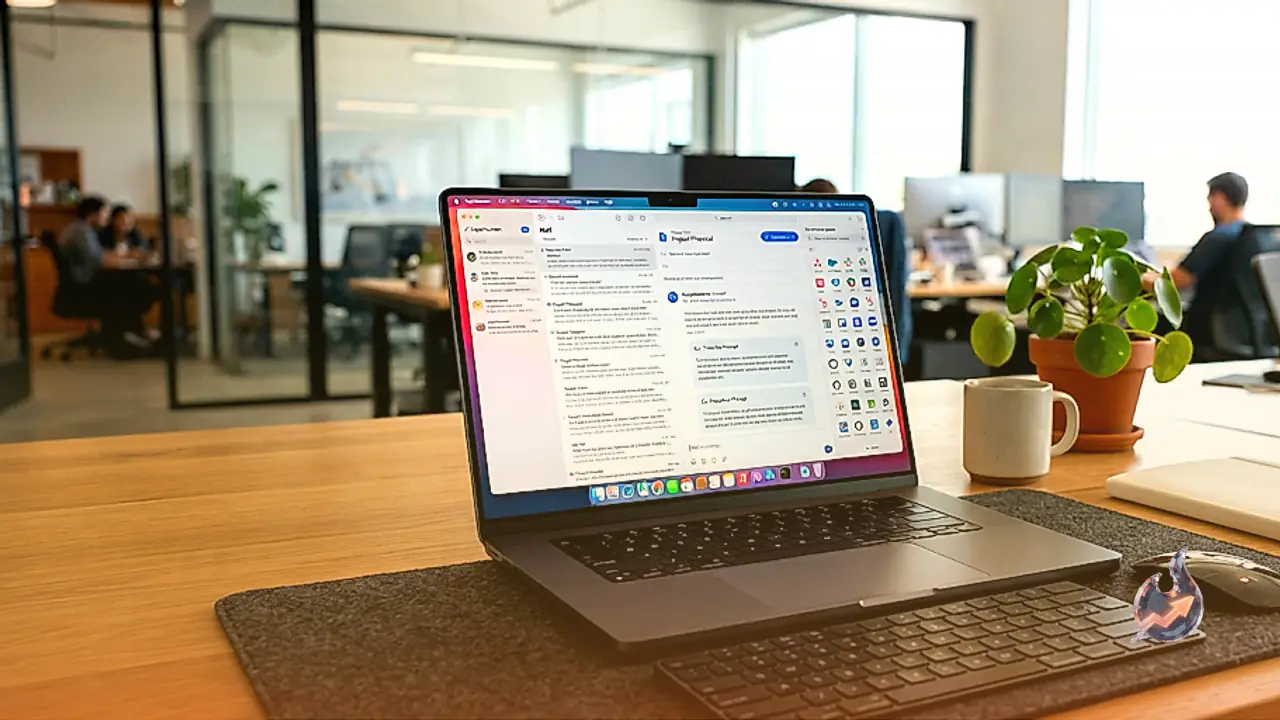
To provide personalized recommendations right from the start, Superhuman is revamping its user onboarding process. This allows users to link their preferred workspace applications and feed project background into the AI upfront. Operating inline with the user's cursor, the updated Go assistant goes beyond reactive text Generation. It proactively monitors user schedules, tracks incoming email streams, and drafts suggested replies tailored to individual communication styles across both emails and documents.
Superhuman is also embedding Go as the core AI backbone across its product lineup, notably replacing legacy AI tools in Superhuman Mail. Within Docs, Go agents operate natively, executing background workflows triggered by specific events or schedules. Furthermore, users can perform unified enterprise searches pulling context from internal knowledge bases, Google Workspace, and Microsoft Outlook accounts to organize inboxes and generate comprehensive drafts.
Expanding Ecosystem with 20 Third-Party Agents and Fathom Integration
To broaden its functionality across enterprise tech stacks, Superhuman has integrated 20 new connected agents through its Go SDK. The newly supported platforms include DeepL, Legora, Amplitude, Databricks, and Blackboard, enabling seamless cross-application task automation without requiring manual data transfers.
Following its acquisition of AI notetaking startup Fathom in September, Superhuman is officially launching real-time collaborative meeting notes shared across teams. Beyond simply recording audio or transcribing conversations, Go can take automated post-meeting actions, such as producing initial proposal drafts or action-item summaries immediately after a conference calls ends.
Surpassing One Million Users and Enterprise Market Focus
Superhuman CEO Shishir Mehrotra revealed that the Go assistant has achieved strong momentum, surpassing 1 million active users. As a variety of AI assistants compete for attention across consumer and corporate markets, Superhuman is positioning Go as a productivity-first tool that still respects personal workflow needs.
"Go is definitely more work-focused than some of the tools coming out of the pure consumer ecosystem," Mehrotra noted, explaining that the platform aims to manage both professional responsibilities and personal schedules seamlessly. Rather than competing head-to-head with purely conversational or consumer-focused models like OpenAI's Dots or Claude Duet, Superhuman aims to serve as the default workspace assistant for daily business operations.