























Deploying spoiler candidates with names identical or remarkably similar to front-runners is a recognized political stratagem across democratic nations. In Indian elections, political outfits from village panchayats up to parliamentary contests have repeatedly witnessed rival camps fielding dummy nominees to confuse voters and peel away critical votes. Now, this very election tactic has taken center stage in the high-stakes United States Senate battle in the state of Alaska.
From Wayanad to Mahasamund: Parallels in Indian Politics
Indian political history offers striking examples of name-alike candidates disrupting elections. During the 2019 general elections, when the current Leader of Opposition in the Lok Sabha Rahul Gandhi contested from the Wayanad constituency in Kerala, three other candidates with matching names appeared on the ballot. Two of those individuals shared his exact full name Rahul Gandhi, while the third candidate carried the Gandhi surname, creating significant visual confusion on electronic voting machines.
A similar maneuver unfolded during the 2014 parliamentary elections in Chhattisgarh's Mahasamund constituency. In that contest, Congress leader Ajit Jogi faced BJP nominee Chandulal Sahu. A calculated gambit resulted in seven candidates named Chandulal Sahu and three additional contenders with closely matching names filing nomination papers. Despite ten namesake candidates on the ballot, voter vigilance and clear election symbols frequently neutralize such deceptive tactics at the polling booth.
Dual Sullivans in Alaska: Trump Alleges Democratic Ploy
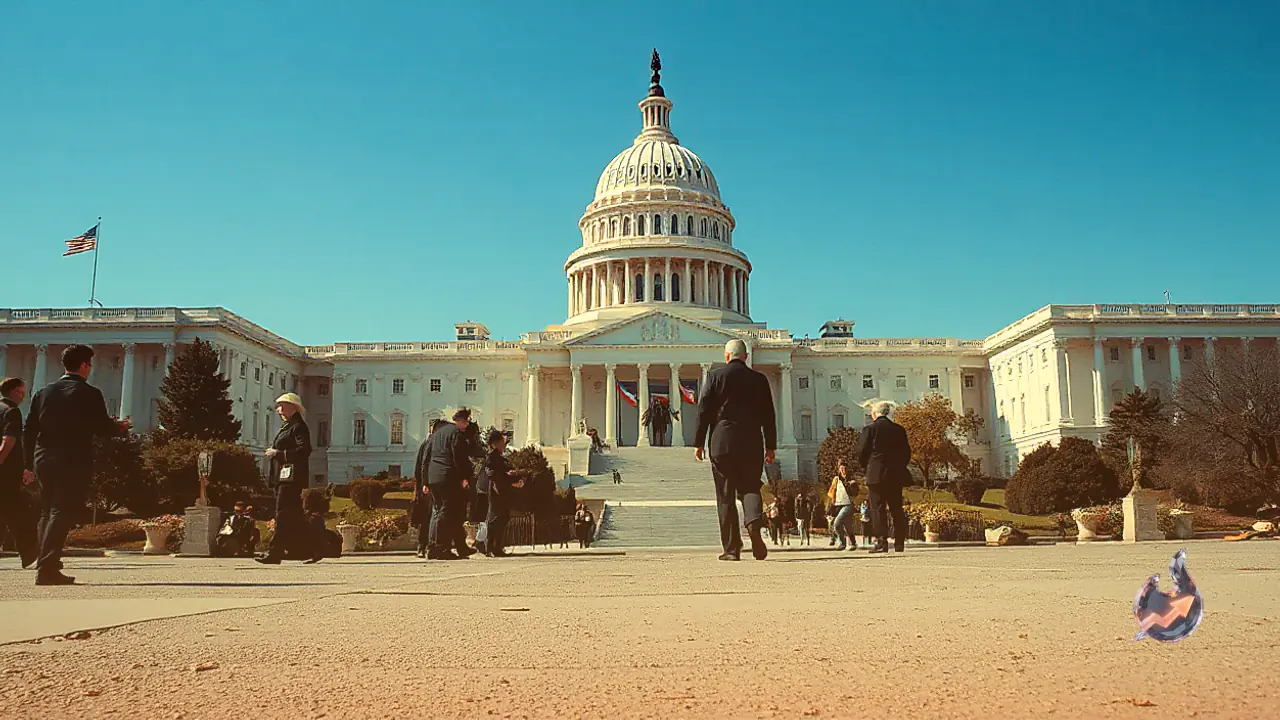
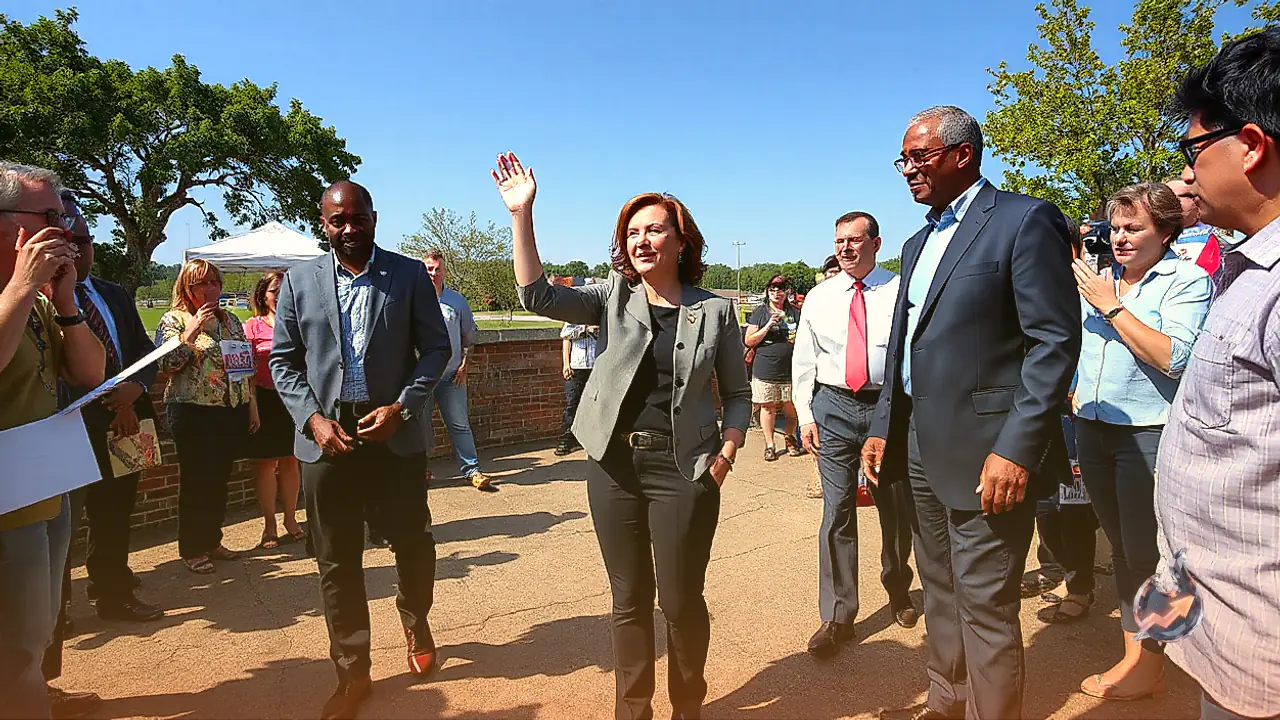
Alaska is witnessing an equally dramatic scenario where the Senate race has evolved into an intense political showdown. Incumbent Republican Senator Dan S. Sullivan is seeking a third six-year term in office. Facing him as the primary challenger is Democratic candidate Mary Peltola. However, the contest became severely contested when a third contender entered the picture: Daniel J. Sullivan Jr.
Daniel J. Sullivan Jr. is a retired schoolteacher who filed paperwork to run for the Senate seat in May. Because his legal name closely resembles that of the sitting Republican Senator Dan Sullivan, the nomination immediately triggered outrage across Republican ranks. President Donald Trump denounced the move as a Democratic maneuver, directly accusing opponents of deploying a spoiler to confuse electors and dilute Republican voting margins.
DOJ and FBI Step in as Political Accusations Escalate
The Republican camp has maintained that Democrats deliberately facilitated Daniel Sullivan's candidacy to fracture conservative votes. A report published by a prominent American newspaper asserted that individuals connected with Mary Peltola's campaign had explored finding candidates who could split the Republican vote tally. Mary Peltola and the Democratic Party have firmly rejected these assertions, denying any coordinated effort or wrongdoing.
The controversy escalated rapidly, prompting Alaska's Republican Governor Mike Dunleavy to order an official state review. Following this, the United States Department of Justice initiated a criminal investigation into the matter. Federal Bureau of Investigation agents conducted inquiries, interviewing individuals who had contributed campaign funds to Daniel Sullivan. The arrival of federal investigators right before balloting has intensified political hostility across the state.
How Ranked Choice Voting Mitigates Name-Alike Confusion
A crucial factor distinguishing Alaska from traditional plurality voting systems is its unique electoral process. Alaska conducts its elections under Ranked Choice Voting, meaning a candidate does not automatically win simply by securing the highest raw number of votes in the initial count. Instead, citizens rank candidates in order of preference, designating their first, second, and subsequent choices on the ballot.
Under these statutory rules, if no contender secures more than 50 percent of the first-preference votes, the lowest-polling candidate is eliminated from the tally. The ballots cast for that eliminated candidate are then redistributed to the remaining contenders based on the voters' next listed preference. This step-by-step tabulation continues until one candidate captures an outright majority of the distributed votes.
Strategic Impact and Legal Standing in the Senate Contest
The ranked-choice framework substantially dampens the potency of name-alike candidate schemes. For instance, if an elector inadvertently marks retired teacher Daniel J. Sullivan Jr. as their first choice but ranks Republican Senator Dan S. Sullivan as their second choice, the ballot transfers safely to the incumbent once the third-party teacher is eliminated in the early rounds of tabulation.
Consequently, election analysts suggest that the practical fallout of such tactics may remain restricted in Alaska. However, vulnerability still exists: if a confused voter marks Daniel Sullivan as their top choice and chooses not to designate any subsequent preferences, that vote becomes exhausted, resulting in a permanent loss for the Republican side. Crucially, sharing a similar name with a public official does not constitute a criminal act. State courts in Alaska affirmed Daniel J. Sullivan Jr.'s constitutional eligibility to appear on the ballot. Meanwhile, the Department of Justice inquiry continues its review of the allegations, with formal culpability yet to be determined.