














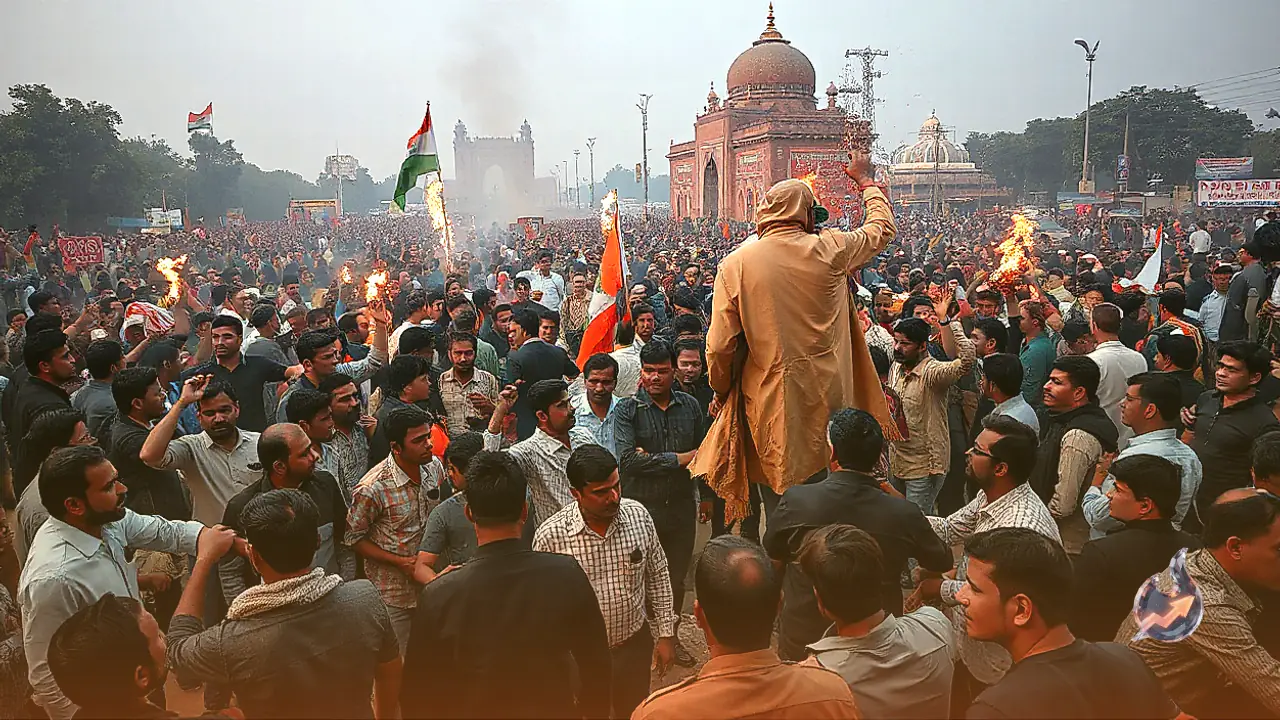

A high-stakes political confrontation has erupted following a massive joint opposition gathering held at Delhi's historic Ramlila Maidan on the opening day of November. Organized to challenge the prevailing electoral apparatus and recent administrative procedures, the joint event provided non-ruling parties a prominent platform to demonstrate cross-party unity. However, the gathering has rapidly evolved into an intense war of words between the organizers and the ruling establishment over attendance metrics, operational success, and its broader economic ramifications for local commerce.
United Front on Stage and Prominent Leadership Presence
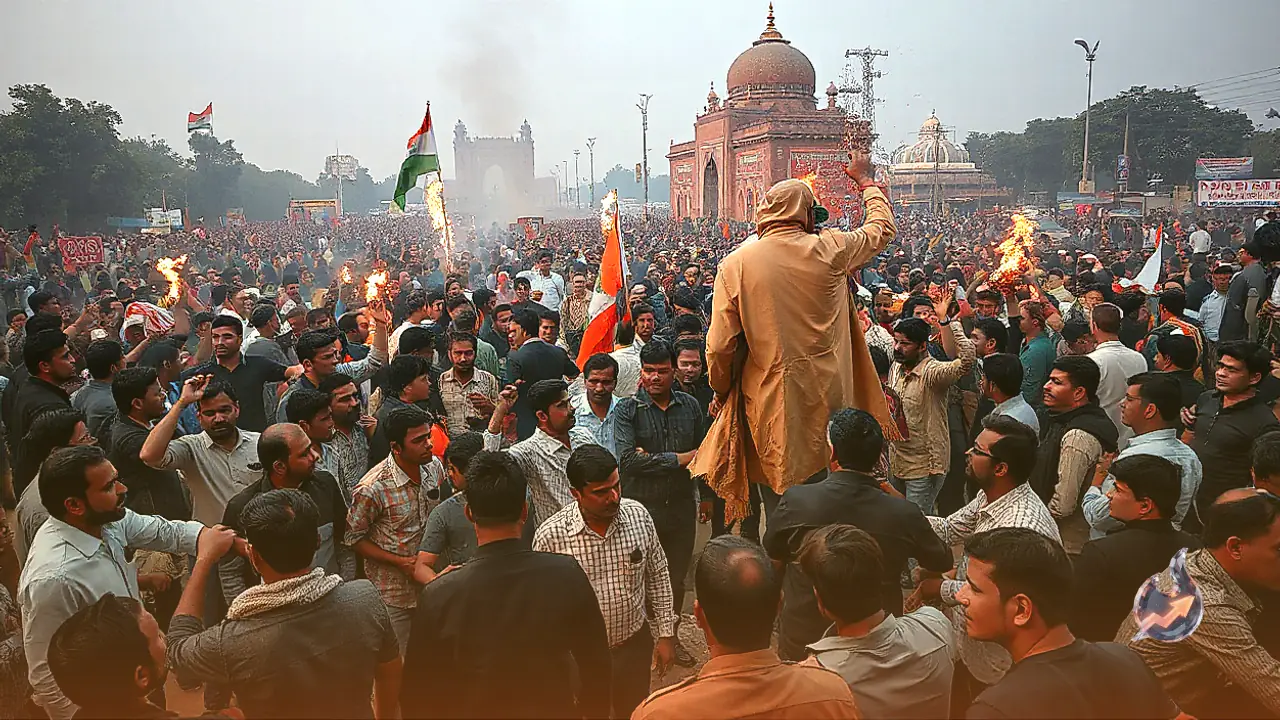
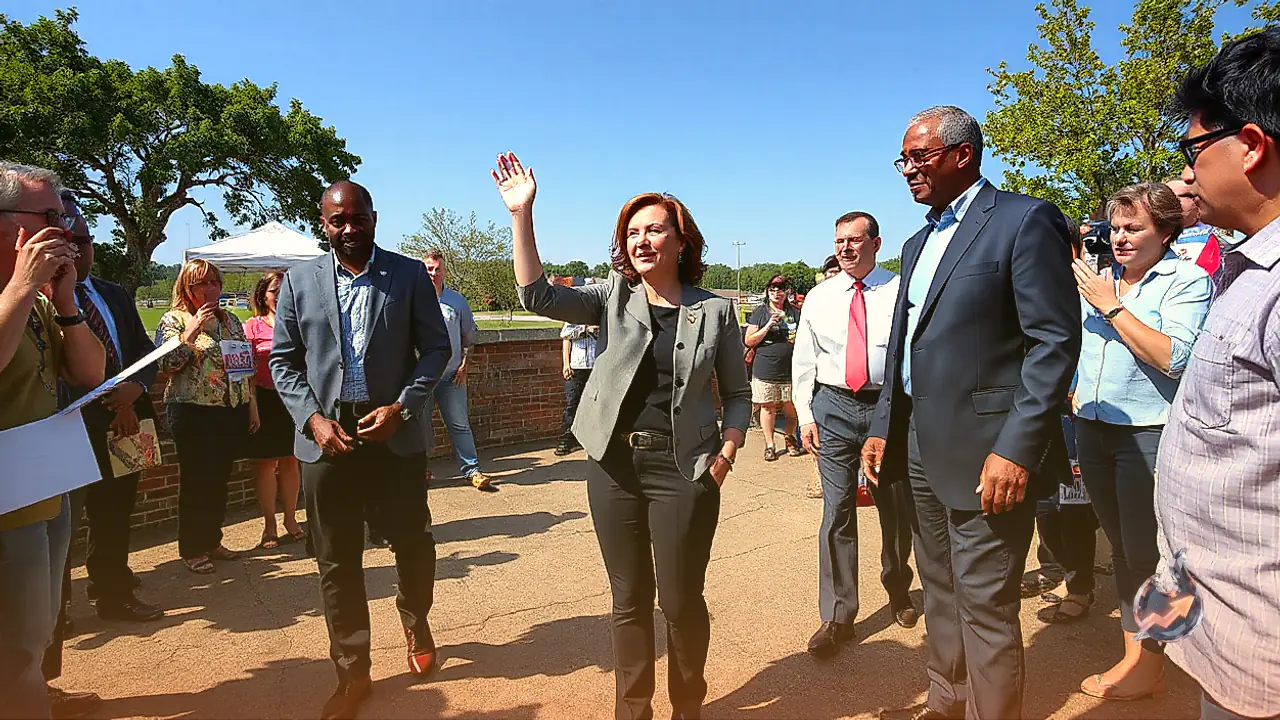
The demonstration on November 1, 2026, commenced with a visible display of coordination under the banner of the 'Save Vote, Save Country' initiative. Rahul Gandhi spearheaded an open-vehicle procession originating from Minto Road, leading political delegations straight toward the primary venue. On the main dias, representatives spanning nearly 20 to 21 political parties, backed by approximately three dozen allied organizations, assembled shoulder to shoulder. Key figures including Sonia Gandhi, Priyanka Gandhi, Mamata Banerjee, Akhilesh Yadav, Tejashwi Yadav, Farooq Abdullah, Mehbooba Mufti, and Supriya Sule stood together, waving to the audience in a concerted projection of collective solidarity.
Addressing the assembled crowds, coalition leaders emphasized that the movement transcended partisan boundaries, framing the platform as a unified vehicle representing the grievances of young citizens, agricultural workers, and industrial laborers. Crucially for the alliance, the leadership question did not surface as a point of contention during the event. The entire bloc rallied behind a defined agenda: pressing for the immediate resignation of Chief Election Commissioner Gyanesh Kumar and mounting systematic resistance against the SIR process, thereby attempting to revitalize an alliance that had faced perceptions of internal drift in preceding months.
Contrasting Metrics and the Attendance Debate
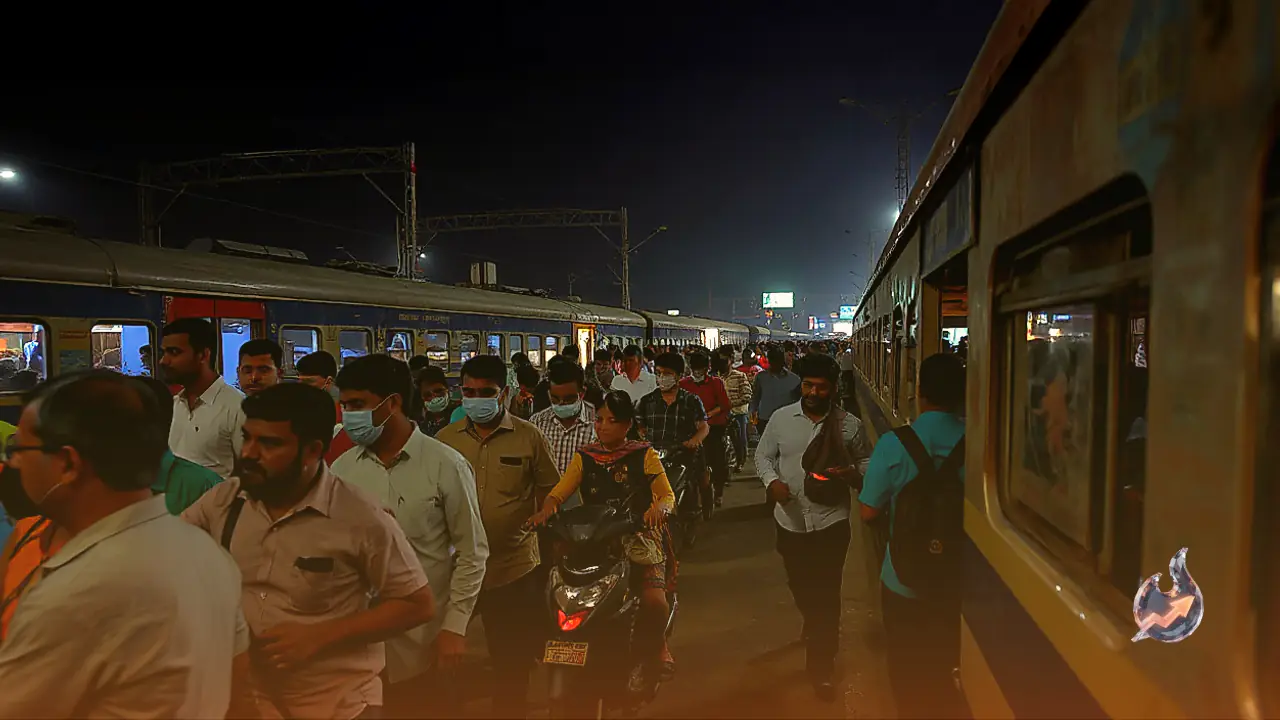
Significant disparities have emerged regarding the true scale of the crowd present at the venue. While campaign coordinators from the Congress party and allied organizations had initially publicized an ambitious target of assembling 10 lakh individuals, organizers refrained from releasing any verified post-event headcounts. Operational logs indicated that roughly 3 lakh idli food packets had been arranged to cater to attendees arriving from across the country, with sizeable contingents traveling via scheduled trains and special buses from states as distant as Kerala and Telangana.
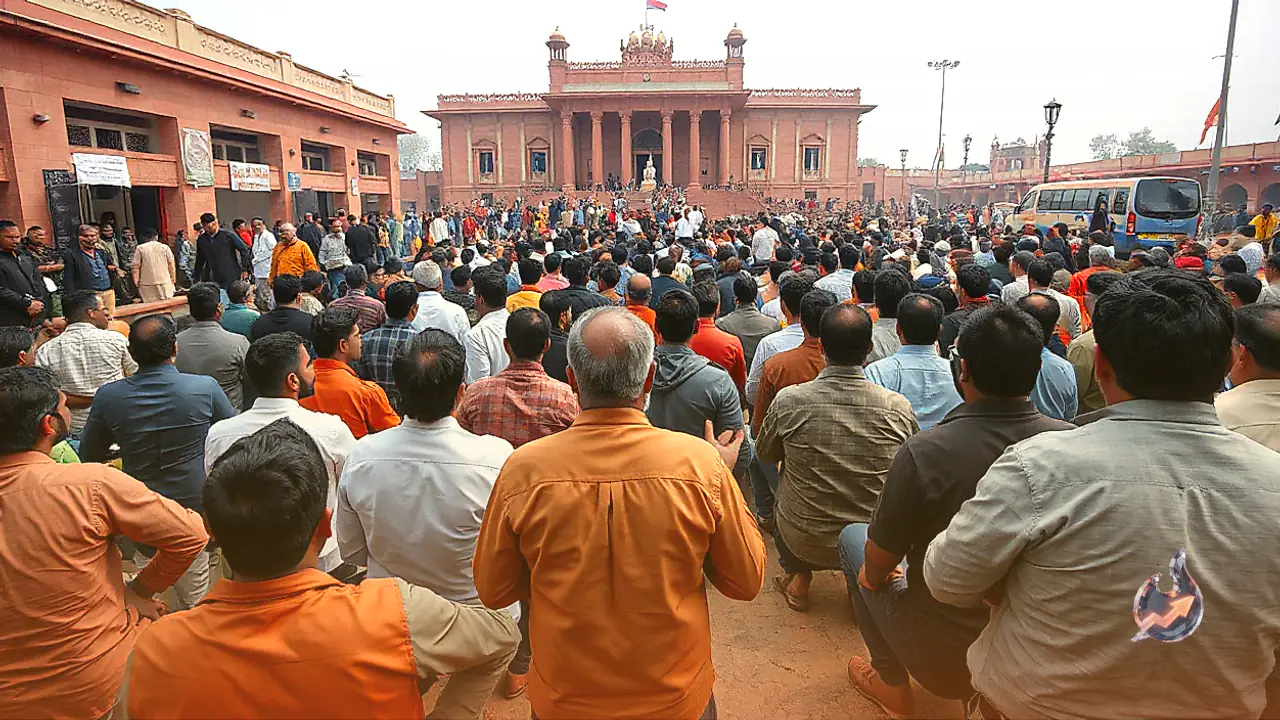
In sharp contrast, administrative personnel and police observations placed the physical gathering within the thousands, with several independent estimates situating the figure in the vicinity of 50,000 participants. The physical capacity of Ramlila Maidan itself became a central talking point, given that the facility typically accommodates around 45,000 to 50,000 seated visitors. Seizing upon these architectural limits, the ruling party mounted a vigorous critique against the organizers' claims. During an official media briefing, Member of Parliament Sambit Patra presented video recordings of unoccupied sections, asserting that between 5,000 and 7,000 of the 28,000 installed chairs remained entirely vacant. Ruling representatives further contended that up to 40 percent of the ground sat empty and estimated overall participation at merely around 10,000 individuals, while opposition figures countered by sharing wide-angle imagery of dense sections across social channels.
Heated Dispute Over Festive Commercial Disruption
The economic impact of staging a massive demonstration during a peak retail period has emerged as another contentious battleground. Spokespersons for the Bharatiya Janata Party, citing feedback from commercial associations, alleged that the demonstration inflicted business losses amounting to at least 11,000 crore rupees on the local market. They argued that severe traffic restrictions and heightened apprehension deterred between 3 to 4 lakh regular shoppers from visiting traditional trade hubs. The ruling camp accompanied these claims with accusations that the opposition was attempting to foster disorder under external promptings.
Alliance leadership rejected the financial allegations as baseless and politically motivated. Responding to the criticism, Rahul Gandhi maintained that he had specifically encouraged visiting delegations to patronize Delhi's markets to support commerce, alleging that ruling authorities deliberately enforced store closures to manufacture distress. In parallel remarks, Jairam Ramesh argued that the influx of visitors served as an economic stimulus for micro-enterprises, small store operators, and street hawkers across the city. According to Ramesh, the arrival of hundreds of thousands of individuals naturally generated brisk sales for daily goods and regional items, delivering immediate and indirect financial dividends to grassroots merchants.
Strategic Agenda for Upcoming Electoral Contests
Beyond the immediate administrative friction in the capital, the rally has established a clear messaging blueprint for upcoming democratic contests. Strategic observers note that the opposition coalition has secured its core thematic platform for the five state assembly elections slated for 2027, as well as the 2029 parliamentary general election. The twin talking points centered on the SIR framework and allegations of electoral malpractices are now slated to form the foundation of their long-term campaign rhetoric.
During his remarks, Rahul Gandhi adopted an uncompromising stance regarding previous electoral results, contending that the 2024 general election lacked institutional legitimacy on the grounds that over 13 crore names had been struck from voter registries. By demanding stringent legal accountability and imprisonment for Chief Election Commissioner Gyanesh Kumar, the opposition has signaled that questions surrounding electoral administration will remain at the forefront of their operational agenda across future campaigns.