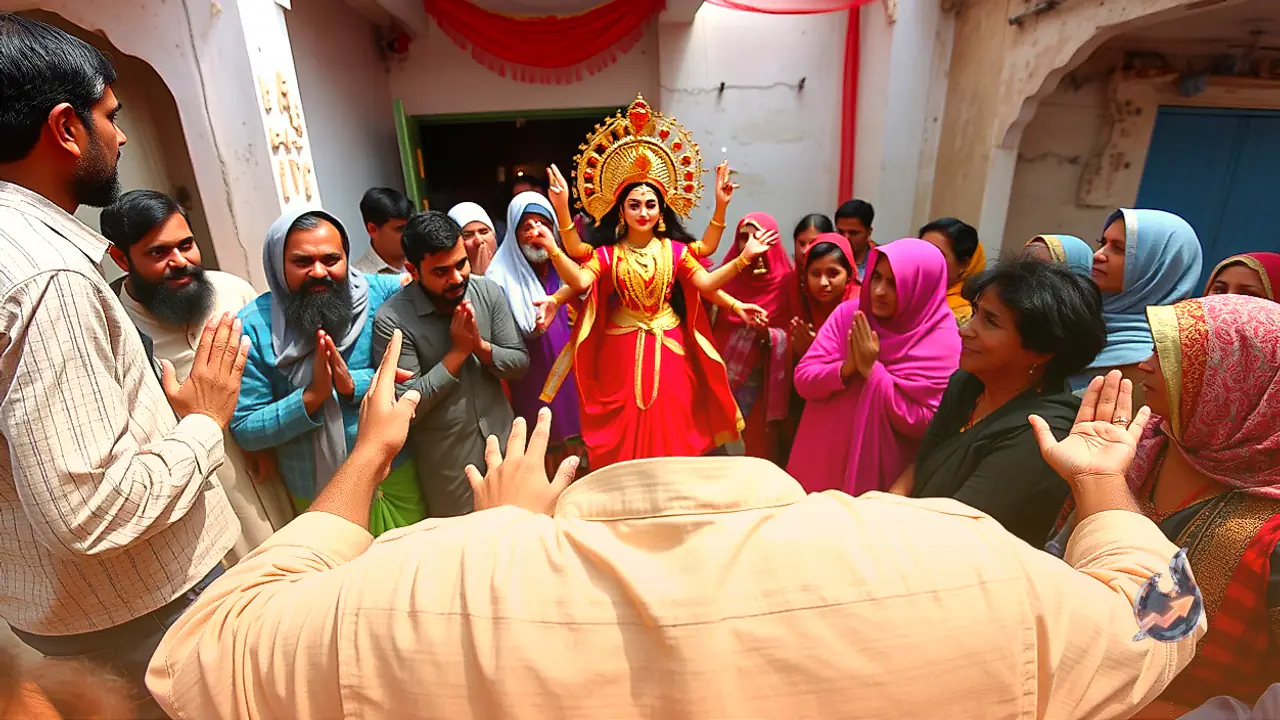



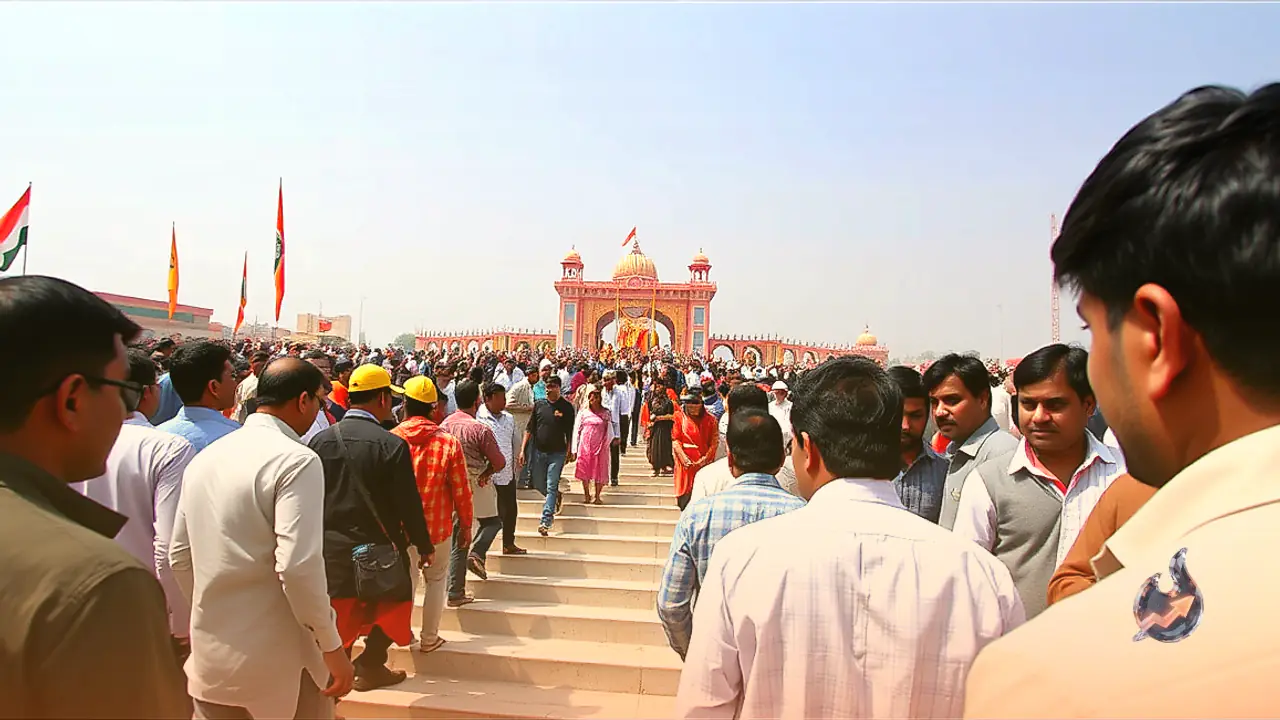



















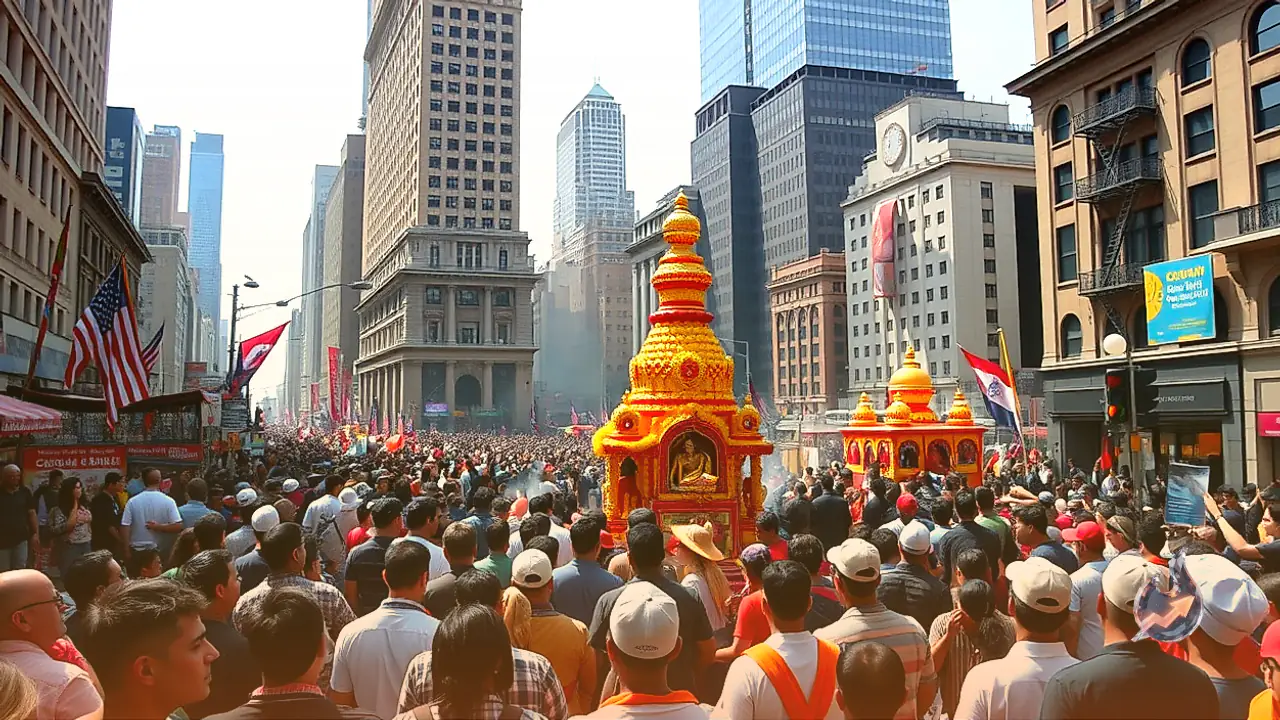

New York City's iconic Times Square has transformed into a vibrant center of cultural devotion as a grand pandal dedicated to Goddess Durga welcomes worshippers during the festival of Navratri. The installation has drawn substantial crowds of Indian diaspora members and visitors who are arriving from across regions to offer prayers and witness traditional rituals in the heart of the bustling American metropolis.
Devotion Takes Center Stage at Times Square
The temporary spiritual pavilion established in Times Square is witnessing daily footfalls of hundreds of devotees who gather to observe regular ceremonies performed according to established traditions. The devotional atmosphere contrasts with the usual commercial buzz of the venue, coloring the entire intersection with festive fervor. Visitors and local residents are observing the sacred proceedings, which include formal morning and evening recitations along with customary chants, reflecting Indian cultural traditions on a prominent international stage.
The Significance and Nine-Day Progression of the Festival
Installing the deity during Navratri represents the veneration of divine power and commemorates the triumph of good over evil forces. Tradition holds that invoking the goddess initiates a period where seekers pray for fulfillment, while establishing a shield of protective and positive energy within households. The nine days of celebration follow a symbolic spiritual journey divided into distinct phases. The initial three days focus on the formidable form of Durga to overcome inner negativity and weakness. The subsequent three days center on Goddess Lakshmi, invoking financial stability, affluence, and flourishing prosperity. The concluding three days are devoted to Goddess Saraswati, seeking wisdom, intellectual clarity, and learning. Across these days, observers follow designated color customs and offer curated traditional food preparations.
Ceremonial Practices and the Farewell Rituals
Observance of the festival involves kalash sthapana on the commencement day, followed by daily fasting, reading of sacred lore, sacred offerings, and holy fire rituals or havans. The idol is traditionally adorned with fragrant sandalwood and fresh flowers, accompanied by devotional songs and morning-evening aarti ceremonies. The culmination arrives on either Navami or Dashami, also celebrated as Vijayadashami, when the immersion ceremony marks the departure of the deity. Following farewell prayers and the final aarti, the idol is immersed, symbolizing renewal and moral victory. Beyond ritualism, this community celebration abroad serves as an enduring reminder of patience, shared roots, and communal harmony.