
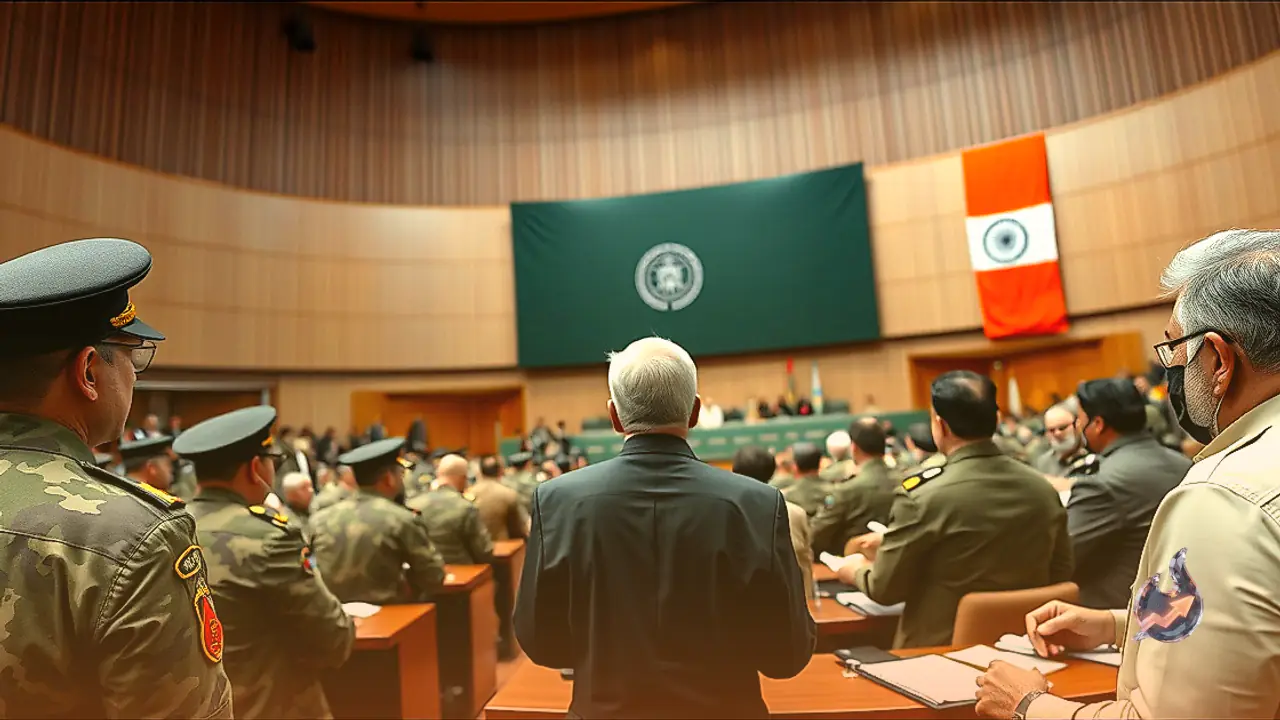















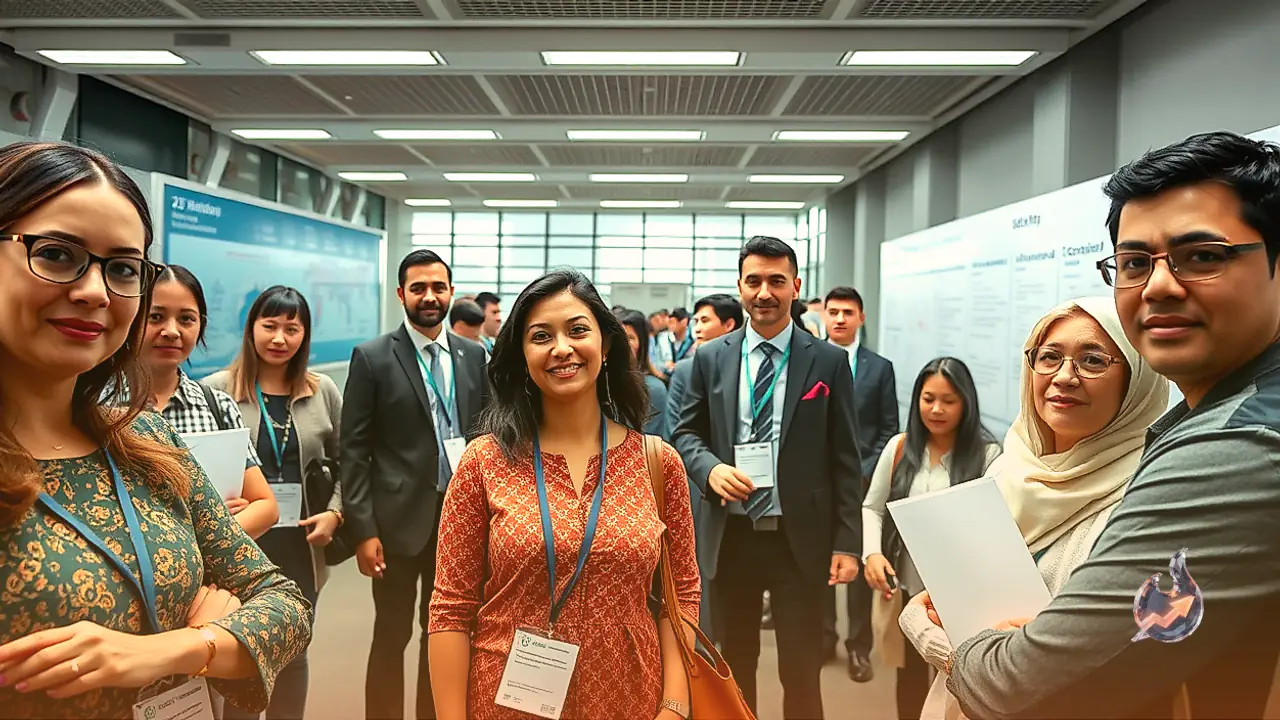

Securing a position within the United Nations represents an aspiration for professionals seeking to contribute directly to global policy, human rights initiatives, peacekeeping, and international climate goals. Serving 193 member nations, the world body requires far more than conventional credentials. It demands strategic career planning, an ability to operate in diverse geopolitical environments, and a commitment to resolving complex international challenges.
Global Workforce Scale and Employment Categories
Across the United Nations Secretariat along with its specialised entities, funds, and programmes, including UNDP, UNICEF, and UNHCR, there are more than 35,000 to 40,000 regular and permanent international civil servants. When expanded to encompass personnel deployed across peacekeeping operations and specialised field missions worldwide, the overall active footprint exceeds 100,000 individuals.
Recruitment operates under distinct employment arrangements. These consist of long-term permanent assignments as well as fixed-term regular contracts. Additionally, project-driven and mission-specific roles frequently utilize short-term contracts and independent consultancy agreements to address immediate programmatic needs.
The Principle of Geographical Representation
A core element of the recruitment framework is balanced geographical representation. The institution maintains an active mandate to recruit nationals across virtually all 193 member states. This standard guarantees that diverse regions maintain a voice in policymaking, preventing disproportionate staffing from any single territory and ensuring that policies reflect global perspectives.
Strategic Networking and Cross-Border Visibility
Academic preparation alone is often insufficient when navigating opportunities across massive international hierarchies. An individual's reach across global policy forums, humanitarian groups, and diplomatic circles plays a meaningful role in discovering vacancies and consultancy openings. Building sustained professional ties across social development and governance sectors creates visibility that paper applications cannot match.
Specialized field projects and expert consultancy appointments often draw candidates whose substantive track records are recognized by senior practitioners. Participating in international conferences, engaging in thematic webinars, and receiving direct mentorship from seasoned international civil servants help candidates differentiate themselves from vast applicant pools.
Psychological Independence and Cross-Cultural Adaptation
Operating within multilateral agencies involves intense personal and operational accountability. Teaming up with colleagues hailing from contrasting cultural, linguistic, and professional traditions requires emotional resilience and rapid adaptability. Candidates must demonstrate an ability to function autonomously without relying on rigid local structures.
Crisis management capabilities and independent decision-making remain paramount. Personnel frequently face unstable operating conditions or multifaceted projects where self-reliance and emotional composure determine whether a project succeeds or fails.
Diplomatic Soft Skills and Multilingual Capabilities
While advanced qualifications secure screening consideration, interpersonal competence and diplomatic nuance govern operational success. Exceptional verbal and written communication remains an absolute baseline, particularly in core operating languages such as English and French, which dominate day-to-day administrative exchanges.
Negotiation capability, conflict mediation, structured decision-making under acute pressure, and genuine respect for multicultural norms form the backbone of diplomatic conduct. These attributes enable professionals to navigate delicate negotiations among competing national interests.
Academic Specialisations and Advanced Credentials
Higher education serves as the primary gateway into the United Nations and associated agencies, including WHO, UNESCO, and UNICEF. A master's degree remains the baseline preference for most professional categories across these organisations.
Specialisations in international relations, public policy, jurisprudence, economics, environmental sciences, journalism, and social work offer strong alignment with organisational demands. Furthermore, fluency in multiple official languages, including Arabic or Spanish alongside English and French, significantly elevates a candidate's selection probability.