





















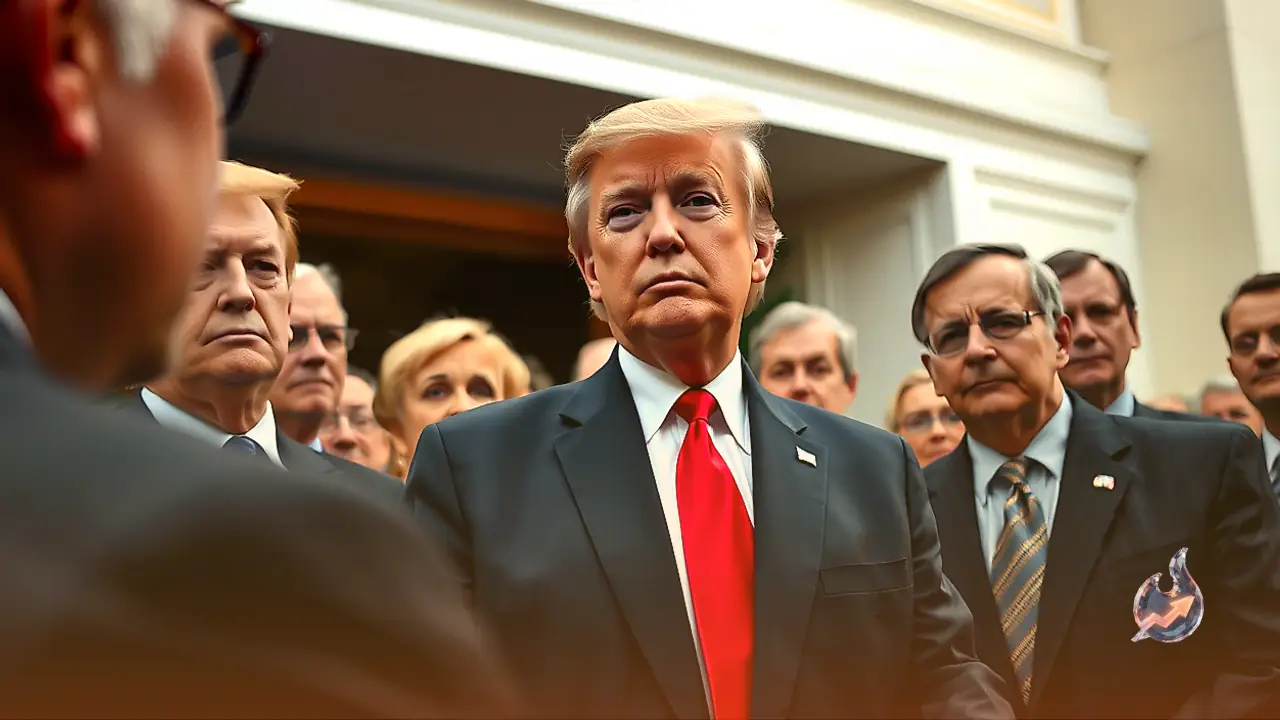

President Donald Trump's decision to roll back restrictions on importing Russian diesel has triggered an immediate political pushback in Washington, drawing resistance from within his own party ranks. Republican Representative Brian Fitzpatrick has announced plans to introduce a bipartisan bill designed specifically to halt the administration's move. The legislative effort gained quick momentum as fellow Republican Representative Don Bacon threw his weight behind the push, agreeing to sign on as an original co-sponsor of the measure.
Legislative Push Under the Ronald Reagan Banner
Brian Fitzpatrick, who serves as co-chair of the Congressional Ukraine Caucus in the US House of Representatives, outlined his legislative strategy in a post on X. Fitzpatrick stated that the proposed measure seeks to prohibit all petroleum purchases originating from Russia. The lawmaker announced that the draft legislation will be introduced under the title 'Ronald Reagan Peace Through Strength Act'. To bring the bill to the House floor for a vote, Fitzpatrick plans to utilize a specialized procedural mechanism, expressing confidence that the measure will command overwhelming bipartisan support among lawmakers.
Republican Alignment and Procedural Hurdles
Representative Don Bacon of Nebraska reinforced the intra-party opposition by confirming his formal backing on social media. Bacon stated on X that he had already agreed to serve as an initial co-sponsor, emphasizing that Congress needs to register a clear and unequivocal stance against Trump's policy choice. Despite this determination, the legislative path forward remains steep. The current term of the House of Representatives is scheduled to conclude in January, leaving lawmakers with an extremely narrow window to debate, process, and pass the bill before the session ends. Because of the tight legislative calendar, observers note that the initiative might primarily serve as a strong political statement rather than resulting in enacted law.
The Accord Between Trump and Putin
The controversy stems directly from an announcement made by Donald Trump on Friday, which followed a telephone discussion with Russian President Vladimir Putin. According to Trump, the two leaders agreed to supply 300,000 tonnes of diesel immediately to the United States and global markets. The decision to tap Russian energy supplies has now opened a direct policy divide among American lawmakers, testing the administration's diplomatic strategy against legislative opposition on Capitol Hill.