



















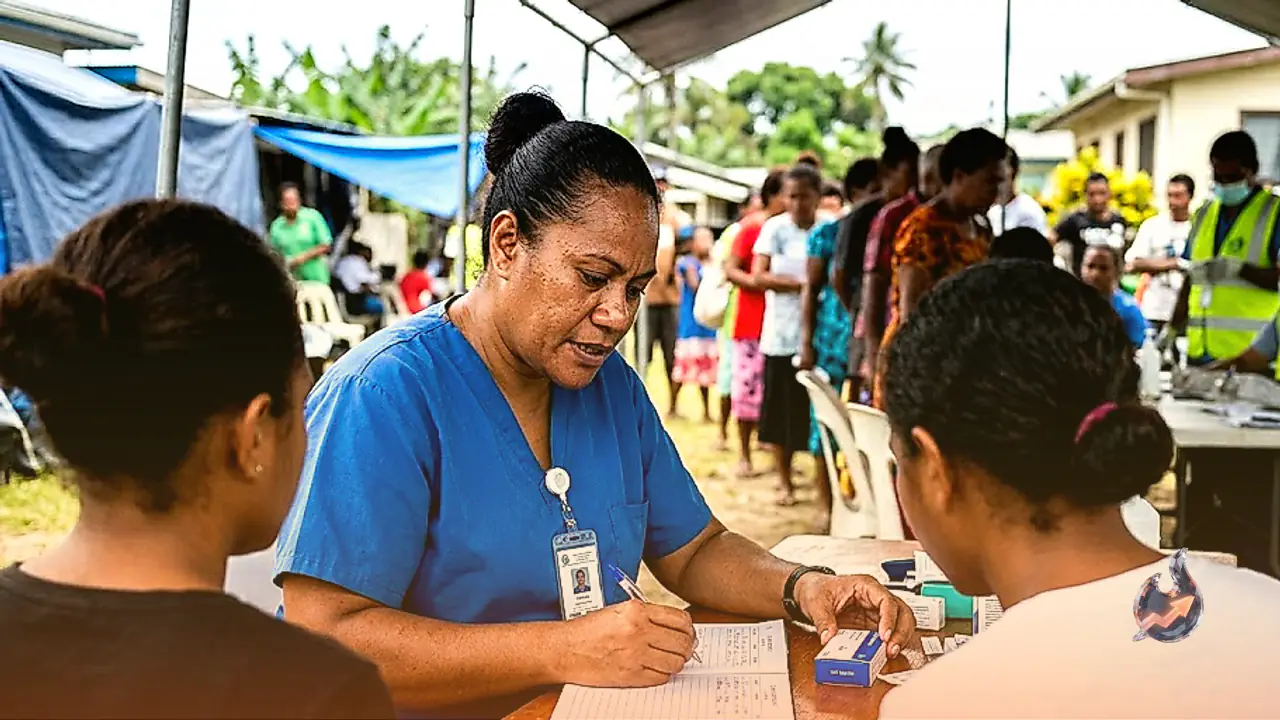

Fiji Imposes National Health Emergency Following Severe Surge in HIV CasesWorld
19 Sept 2026, 1:40 pm (22 min ago)· 1

Fiji Imposes National Health Emergency Following Severe Surge in HIV Cases

Fiji has declared a nationwide emergency as skyrocketing HIV infections put immense strain on healthcare resources, leaving thousands without timely diagnosis or treatment.

The Pacific island nation of Fiji is confronting a critical public health crisis following an alarming rise in HIV transmission across its population. Confronted by a relentless wave of infections, the government took the decisive step of declaring a national emergency. In a country whose total population stands below 10 lakh, the year 2025 alone witnessed 2016 newly registered HIV cases. The escalation has reached an extent where roughly one out of every 60 adults is currently living with HIV. Just five years earlier, that ratio stood at one in 167 adults, underscoring how drastically the epidemiological landscape deteriorated within a short timeframe.

Health Ministry Demands Expanded Interventions

Addressing the gravity of the situation, Health Minister Antonio Lalabalavu stated plainly that routine, outbreak-level administrative responses are no longer adequate. He emphasized that neutralizing this intensifying crisis demands wide-scale, aggressive interventions across the health sector. The sheer volume of patients requiring specialized attention has placed substantial strain on the country's public healthcare infrastructure, prompting authorities to overhaul their immediate medical strategies.

Also read

Critical Gaps in Screening and Antiretroviral Care

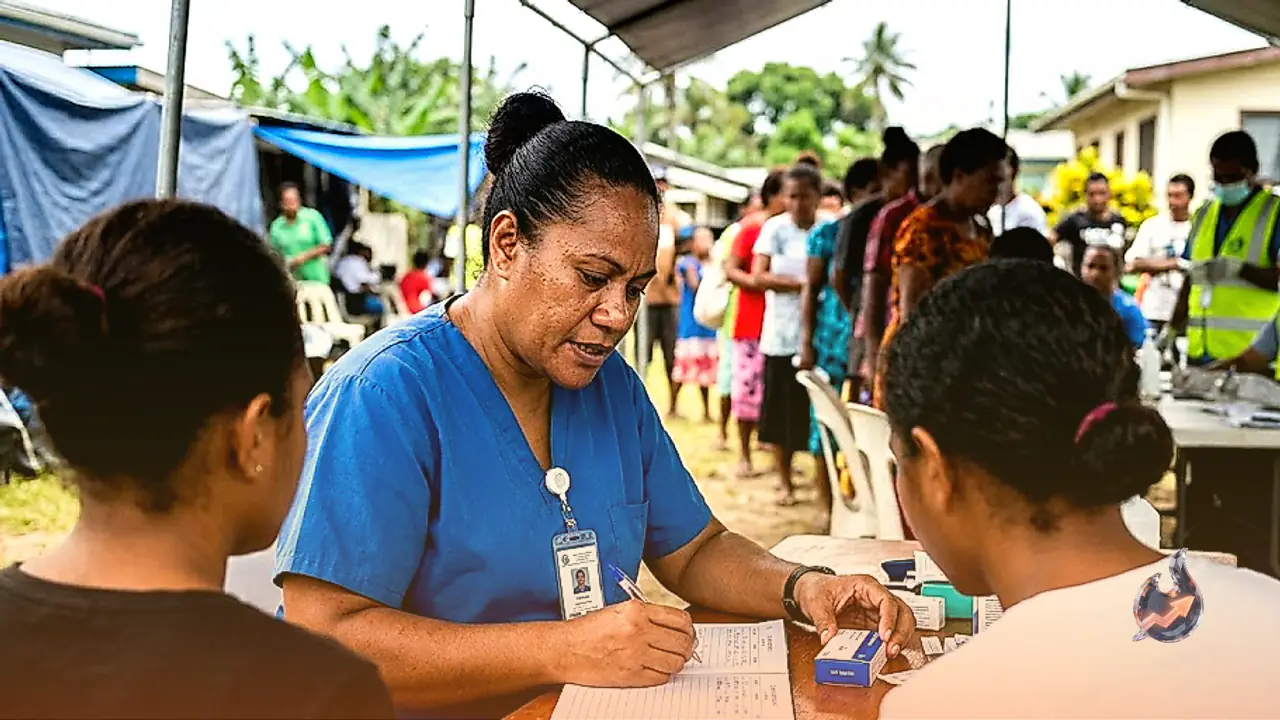
Delivering diagnostic services and life-saving medication to thousands of infected individuals remains an uphill struggle. During 2025, approximately 9,100 people across Fiji were living with HIV. However, awareness levels proved starkly deficient, with only 39 percent of infected individuals aware of their positive status. Therapeutic coverage faced an even steeper hurdle, as merely 22 percent of those living with the virus were actively receiving antiretroviral treatment. Consequently, an overwhelming majority of affected individuals were either completely oblivious to their infection or lacked practical access to clinical management.

Behavioral Drivers Behind the Transmission Spike

Specialists and non-governmental organizations have linked this sharp rise in transmission to several interrelated behaviors. Widespread illicit substance use, unprotected sexual activity, and the sharing of contaminated needles among drug users have been identified as primary transmission channels. These compounding risk factors facilitated rapid community spread, pushing the island nation into an unprecedented health emergency.


Questions & Answers

Why did the Fijian government declare a national emergency?
The declaration was issued to confront an unprecedented surge in HIV infections that overwhelmed standard outbreak responses.
How many new HIV cases were recorded in Fiji during 2025?
A total of 2016 new HIV cases were officially recorded in Fiji over the course of 2025.
What proportion of adults in Fiji is currently living with HIV?
Approximately one in every 60 adults in Fiji is currently living with HIV, compared to one in 167 five years prior.
What percentage of HIV patients in Fiji are receiving antiretroviral therapy?
Only 22 percent of infected individuals were receiving antiretroviral treatment according to 2025 health records.
What primary factors triggered this rapid transmission?
Health experts identified illicit drug use, needle sharing, and unprotected sexual activity as the primary drivers of the outbreak.

Comments 2

Sophie Laurent@sophie-laurent·6m ago

Fiji's HIV surge and subsequent emergency declaration highlight the urgent need for comprehensive international cooperation on health and social security fronts. Mere administrative declarations will not suffice to halt this crisis. Without expanding access to diagnostics and antiretroviral treatment, this health emergency threatens to severely impact the broader Pacific region's stability and socio-economic fabric.

Yuki Tanaka@yuki-tanaka·6m ago

This health crisis in Fiji is not merely a medical issue; it also exposes the economic and social vulnerabilities of Pacific island nations. When a significant portion of the adult population in a small nation faces such health challenges, it directly impacts workforce productivity and regional stability. Overcoming this emergency requires scaling up medical supplies and awareness campaigns to remote islands on a war footing; otherwise, this crisis could become a long-term obstacle to the entire regional economy.

Citizen journalism

Become a TrendKia journalist

Voice of the people

Share news, photos and videos from your area with TrendKia and let your voice reach the nation. Every citizen a journalist.

Join now
CH 01 LIVE
TrendKia TV ON AIR
Chamar no WhatsApp