





















The military standoff between Washington and Tehran reached a fresh flashpoint near the Strait of Hormuz after US President Donald Trump announced large scale military strikes against Iranian positions. The US leadership issued a stern warning against any Iranian attempt to retaliate, declaring that further military action from Tehran would invite far stronger retaliation. The latest escalations follow months of maritime friction and direct cross-border military engagements in the Middle East region.
US Military Strikes and Warning From Donald Trump
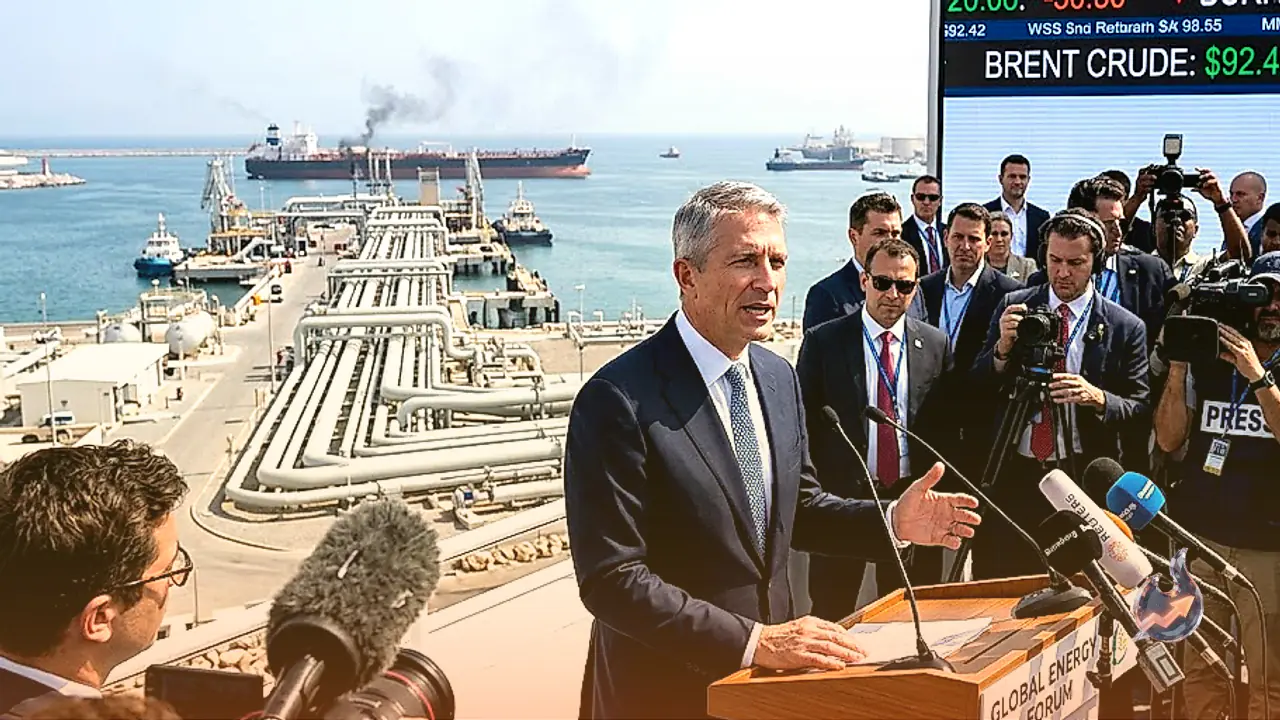
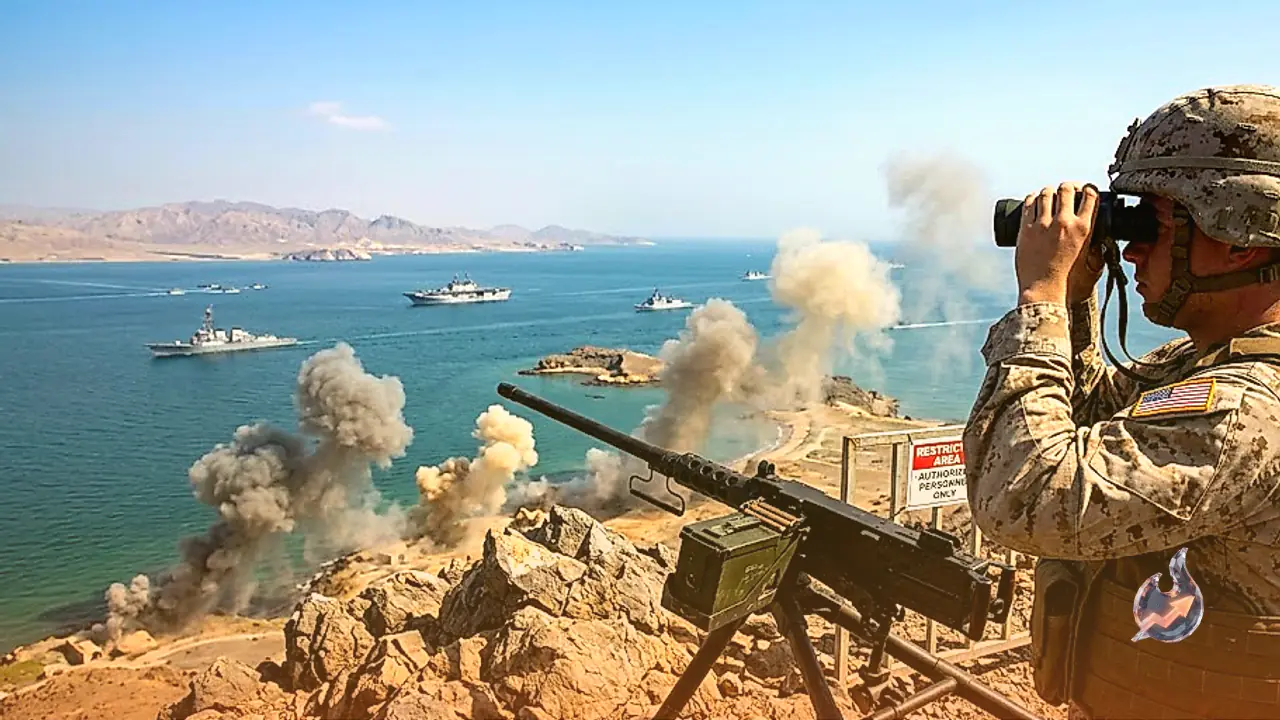
According to public statements issued by US President Donald Trump, American forces launched heavy strikes targeting Iranian positions situated close to the strategic Strait of Hormuz. The US administration stated that these military operations were executed in direct response to recent Iranian hostile acts in the region. Specifically, American officials cited Iran's failed attempt to deploy sea mines across the maritime transit corridors of the Strait of Hormuz. US forces confirmed that all sea mines laid during the operation have since been completely neutralized, cleared, or destroyed.
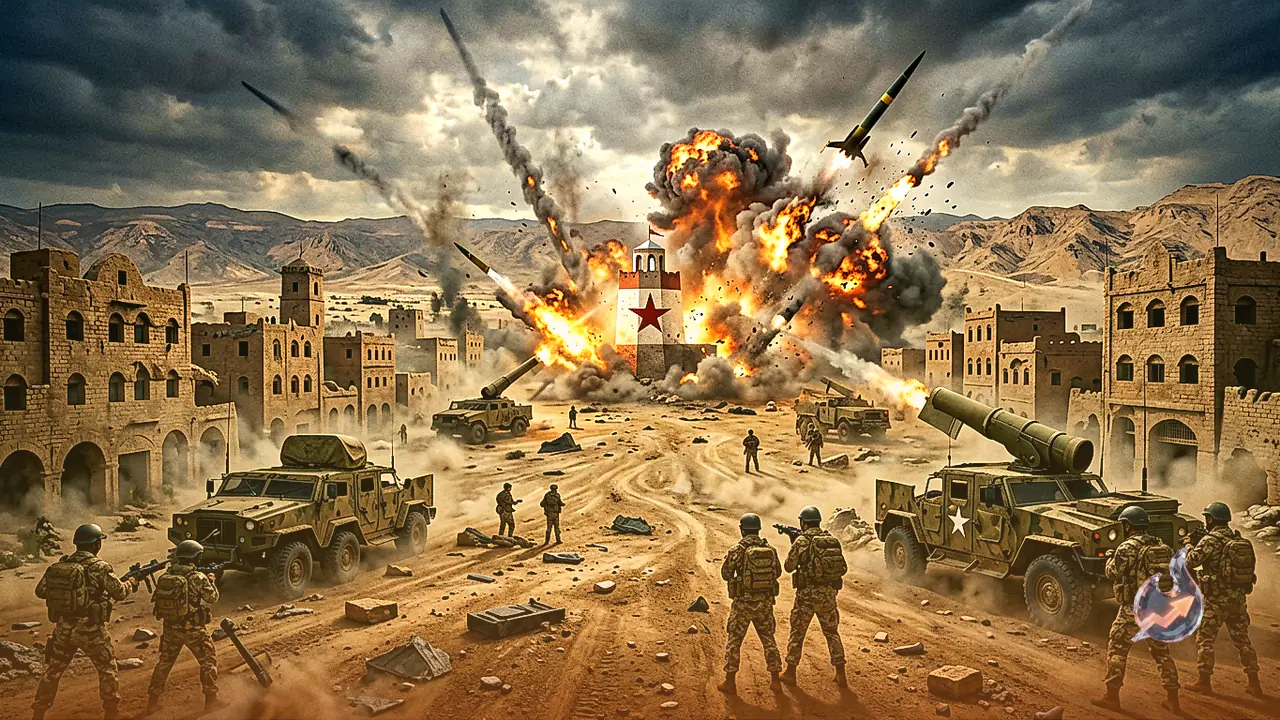
In addition to the naval mine deployments, the US administration highlighted an aerial attack in which Iranian forces launched eight missiles directed at a US military installation located in Jordan. Military defense systems deployed at the Jordanian base successfully intercepted and destroyed all eight incoming Iranian missiles before they could hit their targets. Warning Iran against launching any counter-attack, Donald Trump declared that any response to these actions would trigger an even more intense military assault. He cautioned that the largest US strike has not yet been executed, warning that a full scale follow-up strike would leave minimal infrastructure of the Islamic Republic of Iran remaining.
Iran's Response and Reported Explosions in Hormozgan
In response to the American bombardment, military officials in Tehran issued sharp warnings of swift retaliation against US forces. Hossein Mohebi, a spokesperson for the Iranian Revolutionary Guard Corps, posted a formal statement on the social media platform X, warning that attackers would face harsh punishment and asserting that America will regret its new strikes. Iranian military commanders maintained that the defensive posture of Tehran remains active despite the heavy bombardment targeted at strategic military sites.
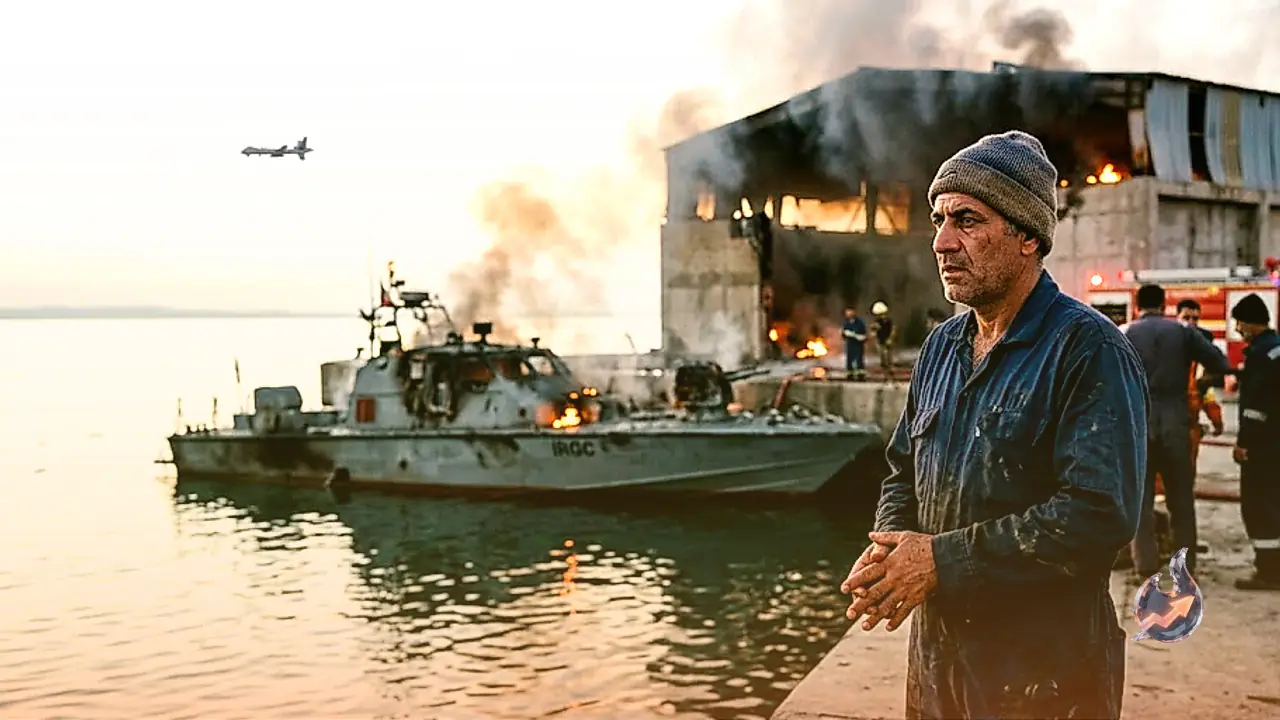
Meanwhile, Iranian state television reported multiple powerful explosions echoing across key locations in the southern region near the Strait of Hormuz. Detonations were recorded in areas located to the east of the major port city of Bandar Abbas, as well as surrounding Qeshm Island. Despite the sound of heavy blasts reported by local residents, initial accounts from the southern province of Hormozgan indicated that no structural damage or operational casualties had been officially reported in the immediate aftermath of the strikes.
Six-Month Conflict and Ongoing Strategic Stalemate
The latest strikes mark a significant escalation in a conflict that has continued for six months without either side achieving a decisive outcome. The region remains locked in a tense strategic stalemate, with Iranian forces maintaining a blockade over the Strait of Hormuz while the US military continues a counter-blockade against key Iranian sea ports. Prior to this latest engagement, US forces had conducted another targeted strike on Sunday against an Iranian island situated within the Strait of Hormuz, marking the first recorded American attack on Iranian territory in several weeks.