






















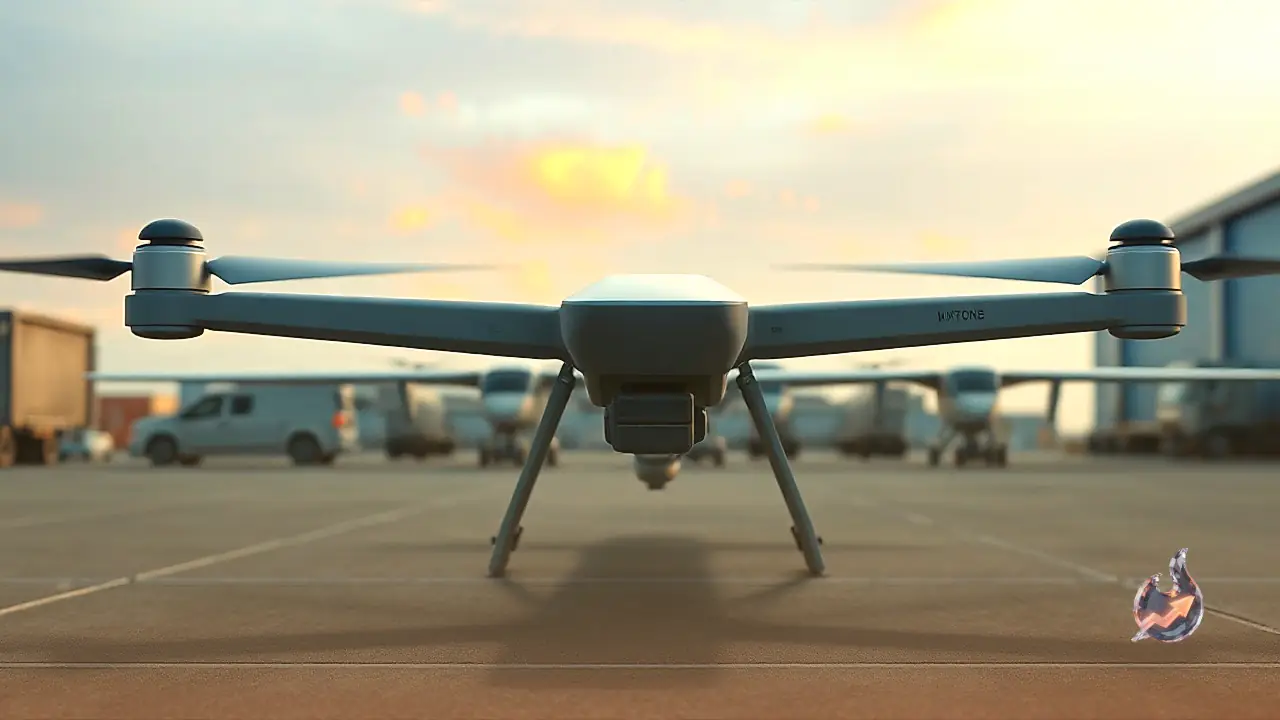

In a major shift aimed at curbing domestic reliance on foreign technology, US President Donald Trump signed an executive order on Thursday introducing steep new import duties on foreign-made drones and their critical components. Under the newly established regulatory framework, drone systems classified as sensitive to American national security will face a heavy 100 percent ad valorem tariff, effectively doubling their import cost. Meanwhile, smaller scale drones intended for general or commercial use will attract a 25 percent tariff rate.
Strategic Allies Included in Tariff Coverage
While previous US trade measures frequently focused on geopolitical rivals like China, the latest policy extends its reach to several key global partners. According to the specified rates, drone imports originating from the European Union, Japan, Liechtenstein, South Korea, Switzerland, and Taiwan will be subject to a 15 percent tariff. Additionally, related products and components exported from Britain will face a 10 percent import duty. The inclusive scope of these levies underscores Washington's uncompromising stance on supply chain vulnerabilities.
Commerce Department Assessment Triggers Action
President Donald Trump stated that the decision followed a comprehensive national security assessment conducted by Commerce Secretary Howard Lutnick. The Commerce Department evaluated the potential security risks associated with importing foreign drone hardware, navigation systems, and constituent components into the United States. Lutnick's findings highlighted that overseas manufacturers command a dominant market share in the US, leaving critical domestic sectors heavily dependent on external suppliers for essential unmanned aerial technology.
Implementation Timeline and Supply Chain Restructuring
The White House emphasized that the initiative addresses core national defense concerns alongside broader trade deficit considerations. The new tariffs will not take effect immediately; instead, they are scheduled to become active 21 days following the official announcement. This three-week buffer gives foreign drone producers and American importers a limited timeframe to restructure their supply chains, adjust logistics, and re-evaluate pricing strategies in response to the changing regulatory landscape in the US market.