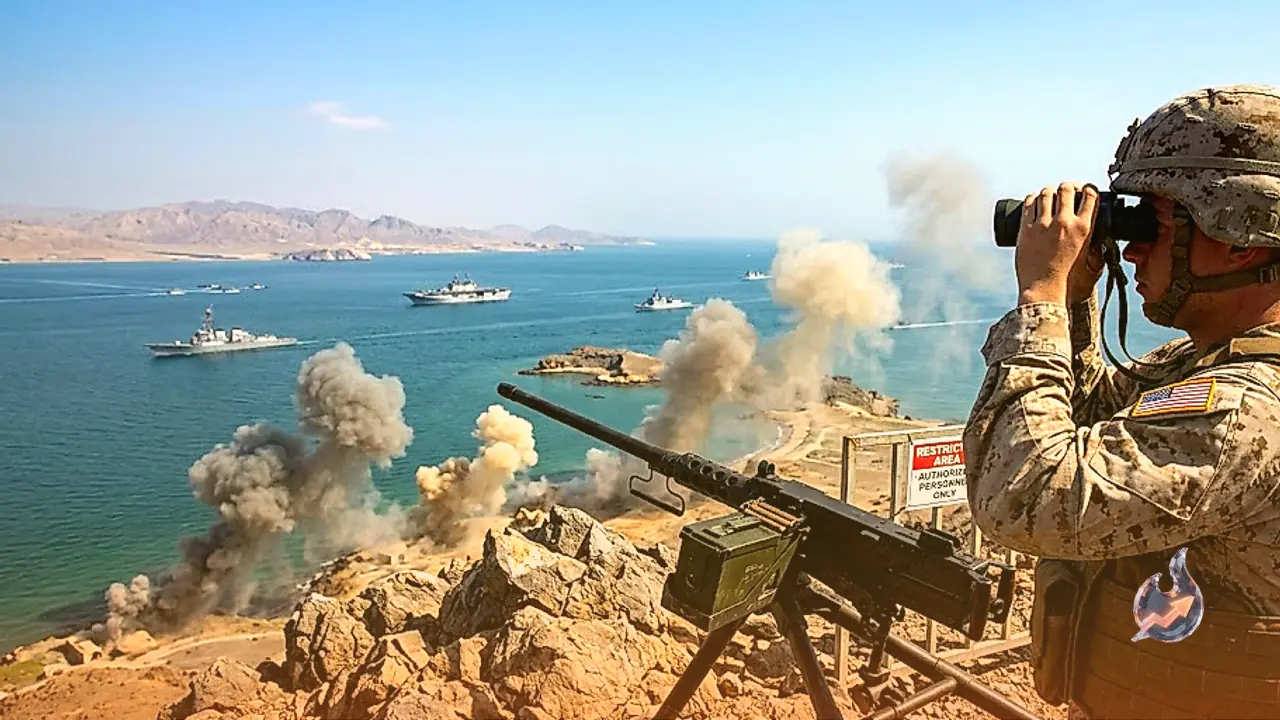























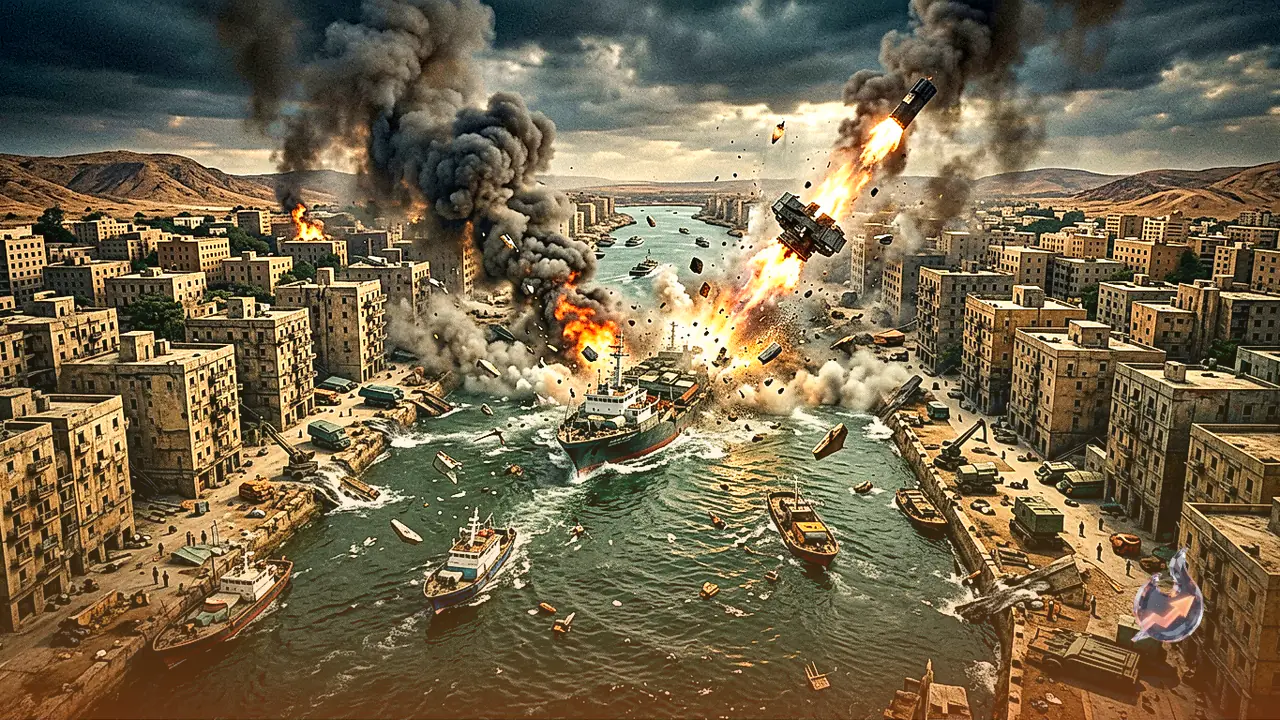

Amid escalating military tensions in the Middle East, US President Donald Trump issued a stern statement asserting that the United States has achieved almost complete control over the strategic Strait of Hormuz. Furthermore, President Trump stated that Iran's economy is undergoing a complete collapse under persistent pressure and conflict. These statements coincided with a series of fresh aerial bombardments conducted by the US military against Iranian targets, which triggered retaliatory strikes by Tehran against US military positions across the region.
Rejection of Diplomatic Talks and Ceasefire Proposals
Addressing the situation on his social media platform Truth Social, President Trump dismissed reports alleging that his administration was actively seeking to bring Iran back to the negotiating table. He stated clearly that he has no inclination or interest in pushing for a negotiated settlement with Tehran. According to Trump, even if Iran were to agree to a deal that offered little value to American interests, it would remain a matter of indifference to him.
Describing the current operational posture as highly favorable, President Trump reiterated that the US military holds near complete control over the Strait of Hormuz while Iran's economic framework continues to crumble. He also firmly ruled out the possibility of negotiating another ceasefire with Iranian leadership, emphasizing that pursuing agreements with Tehran is no longer meaningful as Iran has already been granted sufficient opportunities in the past.
Appeal to the Iranian Populace and Tehran's Response
In a direct address embedded within his statement, President Trump called upon the citizens of Iran to rise up against their governing regime, posing the question of when the Iranian public would stand up and fight for change. While this marks another instance of Trump asserting control over the critical maritime corridor, Iranian authorities swiftly rejected the claim.
Tehran dismissed the assertion of US dominance over the Strait of Hormuz as entirely false, maintaining that control over the vital shipping lane remains firmly in Iranian hands. Iranian officials stated that sovereignty over the Persian Gulf passages continues to be enforced by national security forces despite foreign military presence and declarations.
Military Escalation and Maritime Incidents
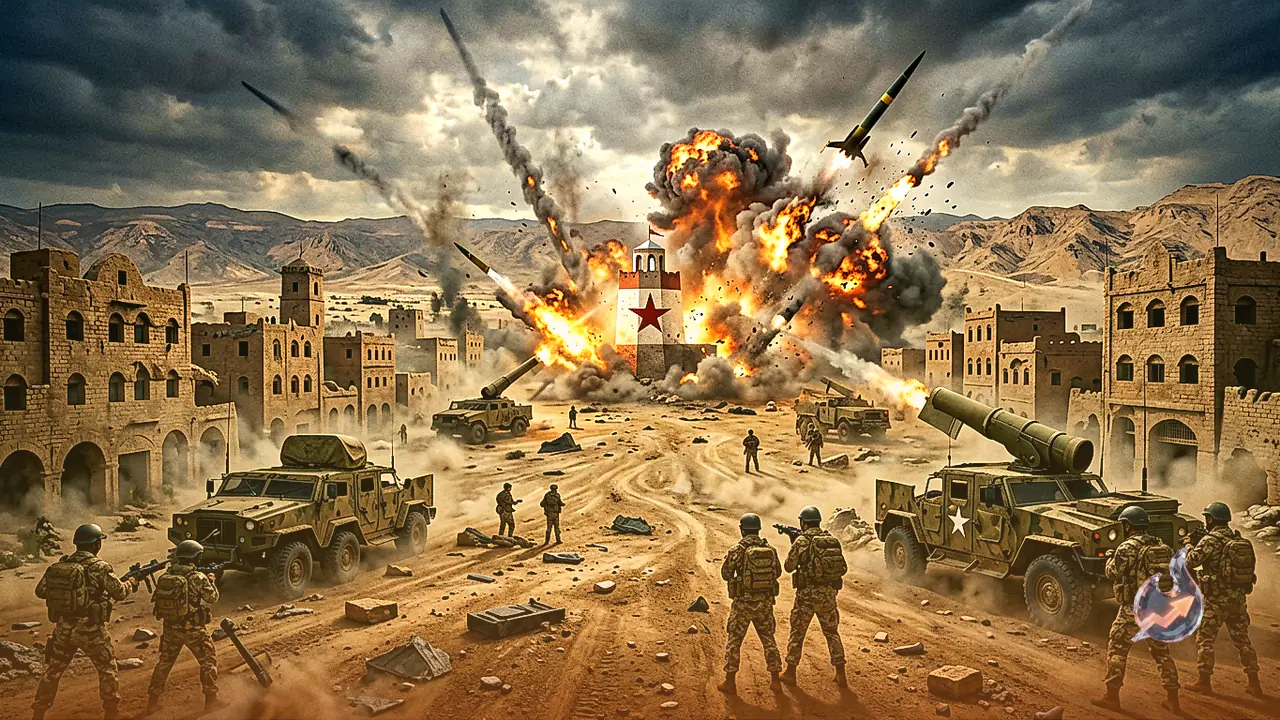
The renewed military exchange follows intense weekend engagements, representing the most significant direct military confrontation between the US and Iran since July. In response to recent US strikes on targets within Iranian jurisdiction, Iranian forces directed firepower toward American military installations. The conflict expanded further on Monday following strikes on two commercial oil tankers navigating outward through the Strait of Hormuz, intensifying maritime security risks for international shipping.
Impact on Global Energy Markets and IRGC Directives
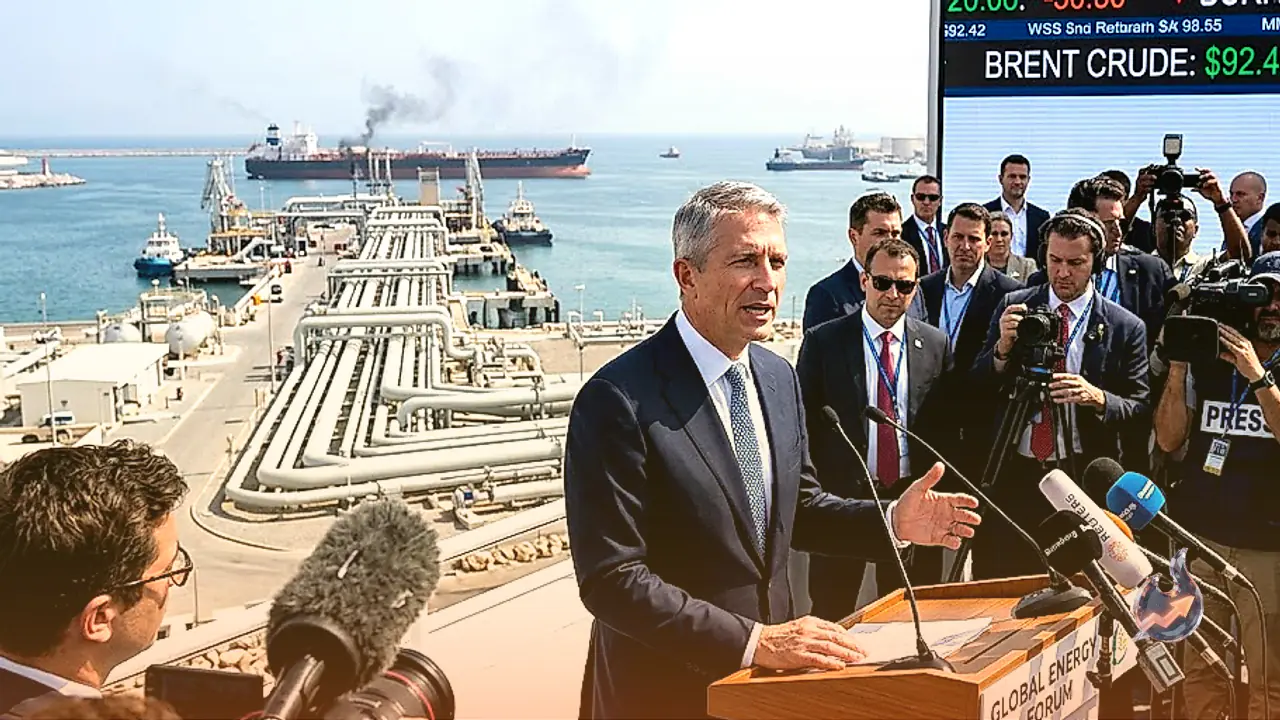
The intensifying geopolitical conflict immediately reverberated across global financial and energy markets. On Tuesday, benchmark crude oil prices surged by more than $4 per barrel, pushing energy prices to a five-week high. Given that the Strait of Hormuz serves as one of the world's most critical transit chokepoints for crude oil, the effective restriction of vessel movement through the passage poses severe threats to global fuel distribution.
In response to US military actions, Iran's Islamic Revolutionary Guard Corps (IRGC) issued a formal warning stating that American hostility would only prompt Iran to tighten its grip over the strategic waterway. Furthermore, Iranian state representatives warned that if economic blockades prevent Tehran from exporting crude oil through the Persian Gulf, no other nation will be permitted to transport oil out of the region through the same corridor.