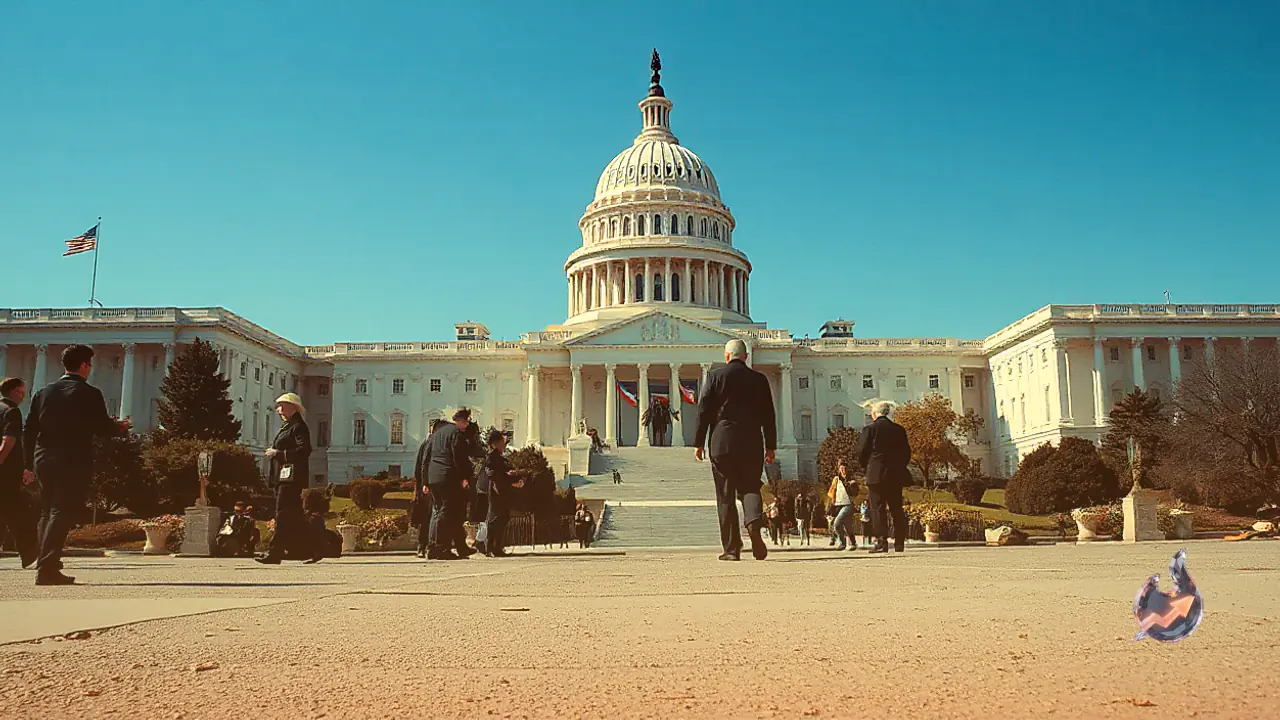
























The balance of legislative power in Washington has shifted decisively following the outcome of the 2026 US midterm elections. President Donald Trump and the Republican Party faced substantial setbacks across key battlegrounds, losing their governing majority in the Senate to the Democrats. According to the latest tallies, the Democratic Party reached the critical threshold of 51 seats, effectively stripping Republicans of their upper-chamber control and reshaping the dynamic between the White House and Capitol Hill.
Breakthrough Victories Across Traditional Strongholds
A major highlight of this election cycle was the performance of Democratic contenders in territories long regarded as dependable Republican territory. Significant Democratic victories in Texas, South Carolina, and North Carolina altered standard political alignments and eroded the historical advantage previously held by conservatives in those regions. Furthermore, Democrats defended vulnerable territory in Georgia and New Hampshire, successfully retaining incumbent seats amid intense pressure and competitive campaigns.
How the Senate Arithmetic Flipped to 51
Voters cast their ballots on November 3 to decide the makeup of the 100-member Senate chamber. Prior to election day, Republicans held a clear upper hand with 53 seats compared to 47 for the Democrats. However, as ballot tabulation advanced, Democrats flipped multiple Republican-held seats to reach the decisive 51-seat mark. The outcome represents a sharp reversal of fortunes, especially since Trump personally campaigned for several endorsed candidates whose bids ultimately fell short.
Curbs on Presidential Authority and Lawmaking
With Democrats now in firm control of the Senate, the administrative freedom of the executive branch faces immediate operational constraints. The loss of the chamber means President Trump can no longer shepherd controversial legislation through Congress without bipartisan cooperation. For the remainder of his term, advancing core policy proposals, securing appropriations, or confirming key appointments will require navigating an opposition-led upper house, significantly curbing his political leverage.