




















The battle for the US Senate in 2026 is rapidly evolving into a high-stakes strategic contest. While Donald Trump and the Republican Party maintain an aggressive campaign posture, the Democratic Party finds itself in an intense internal debate over candidate selection. The core of the competition centers on the nomination of progressive and left-leaning candidates in several crucial states rather than traditional centrist figures. Political analysts note that this candidate lineup has handed Republican strategists a distinct political opportunity that Trump is expected to utilize heavily during upcoming campaign rallies.
Key Democratic Candidates Facing Republican Scrutiny
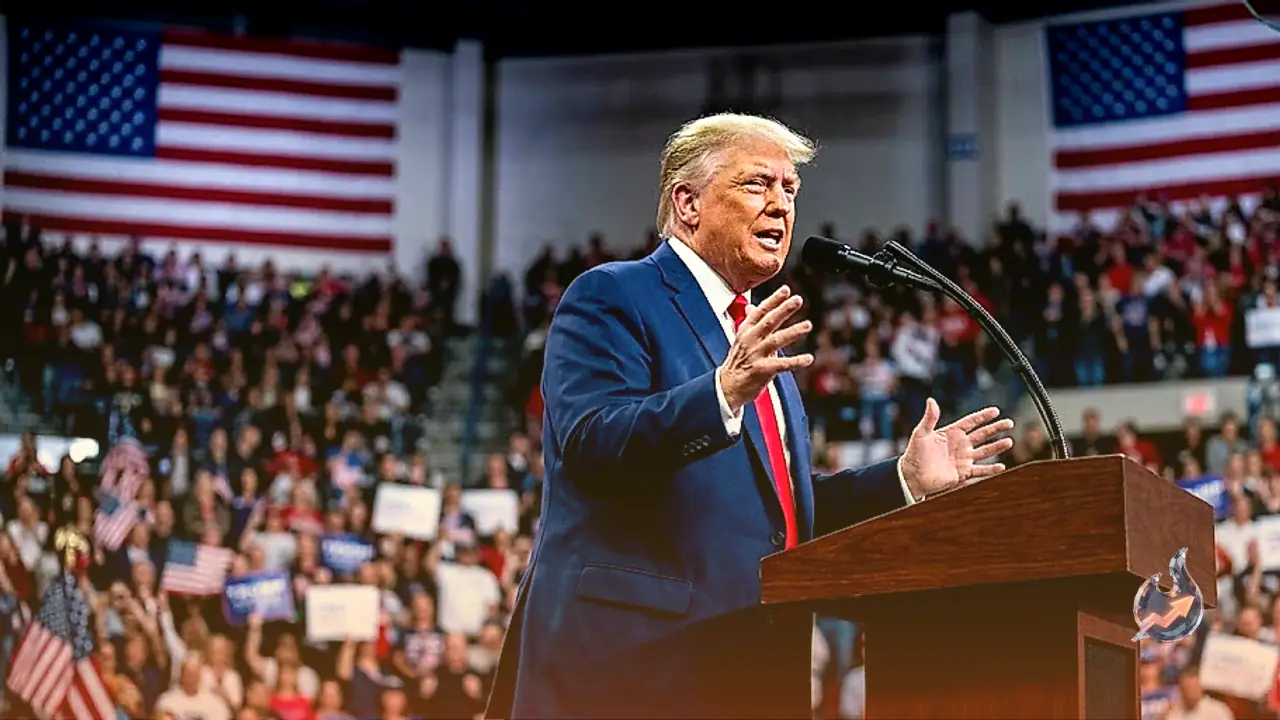
Donald Trump has built much of his political messaging around opposition to far-left policies and socialism. He consistently argues at public gatherings that progressive governance risks destabilizing key national institutions. With Democrats putting forward several progressive figures for Senate seats, Republicans see a direct opening to challenge their platform. A number of high-profile candidates have consequently moved to the center of Republican campaign critiques.
In Michigan, Abdul El-Sayed is running as a Democratic candidate for the 2026 US Senate race. Backed by Bernie Sanders and Alexandria Ocasio-Cortez (AOC), he strongly advocates for Medicare for All and progressive economic reforms. Similarly, Minnesota Lieutenant Governor Peggy Flanagan is contending in the 2026 US Senate race with prominent endorsements from figures such as Sanders and Elizabeth Warren. In New Hampshire, Karishma Manzur is actively competing in the 2026 Senate primary as a progressive alternative.
Developments surrounding candidate selections in other key contests have also drawn focus. In Maine, Greg Platner won the June 2026 primary with 72% of the vote but subsequently withdrew his candidacy on July 10, 2026, following sexual harassment allegations. On July 25, 2026, the Democratic Party convened a Special Convention to nominate former State Senate President Troy Jackson as the replacement candidate. Republicans continue to highlight this sequence of events as evidence of party disarray.
Trump Rally Strategy Focuses on Three Core Themes
Donald Trump's campaign style relies on direct, sharp messaging aimed at shaping public opinion. Following the announcement of these progressive Senate contenders, the Republican campaign machinery has activated targeted rally arguments focused on three primary areas.
The first line of attack centres on raising concerns about radical left policies among independent and swing voters, framing progressive Senate members as drivers of drastic structural change. The second theme targets social and cultural stances, where Trump plans to scrutinize liberal policies on crime prevention, border enforcement, and institutional governance. The third focus addresses economic policy. Trump intends to argue that proposals involving higher corporate taxes and expanded government spending programs will ultimately increase living costs and drive inflation for everyday citizens.
Internal Frictions Between Centrist and Progressive Factions
The selection of left-leaning candidates has also underscored ongoing ideological divisions within the Democratic Party. The party remains split between traditional centrist figures advocating moderate positions and an influential progressive wing championed by supporters of Bernie Sanders and Alexandria Ocasio-Cortez. Primary victories by progressive figures in states like Minnesota and Michigan have generated noticeable tension among party centrists.
Republican strategists plan to exploit this internal friction. Their electoral calculation rests on the idea that if moderate or centrist voters feel disconnected from their party's progressive nominees, they may choose to abstain from voting altogether or cross party lines to support Republican candidates.
The Swing Voter Factor and Senate Dynamics
Electoral outcomes in US Senate contests depend heavily on appealing to independent and swing voters. These moderate electors often decide close races in battleground states. While candidates with strong progressive credentials excel at mobilizing the party's core base, they face challenges in securing the support of moderate voters who prefer middle-of-the-road governance.
Although the current slate of Democratic nominees aligns with the progressive policy agenda, it presents clear targets for Republican campaign messaging. As election day approaches, political observers will monitor how effectively Democratic candidates counter Republican attacks and present a unifying message to the broader electorate.