




















Convicted Fort Hood mass shooter Nidal Malik Hasan is set to be executed by firing squad on December 3, marking the end of a legal process that began after a fatal rampage at the Texas military base in 2009. Acting Secretary of the U.S. Army Adam Telle confirmed the date and method for Hasan's capital punishment. Pentagon spokesperson Sean Parnell stated that U.S. President Donald Trump has officially authorized the execution order. The enforcement of capital punishment represents an exceptional event in modern American military history, as the U.S. Army has not executed any prisoner since 1961.
The 2009 Texas Military Hospital Rampage
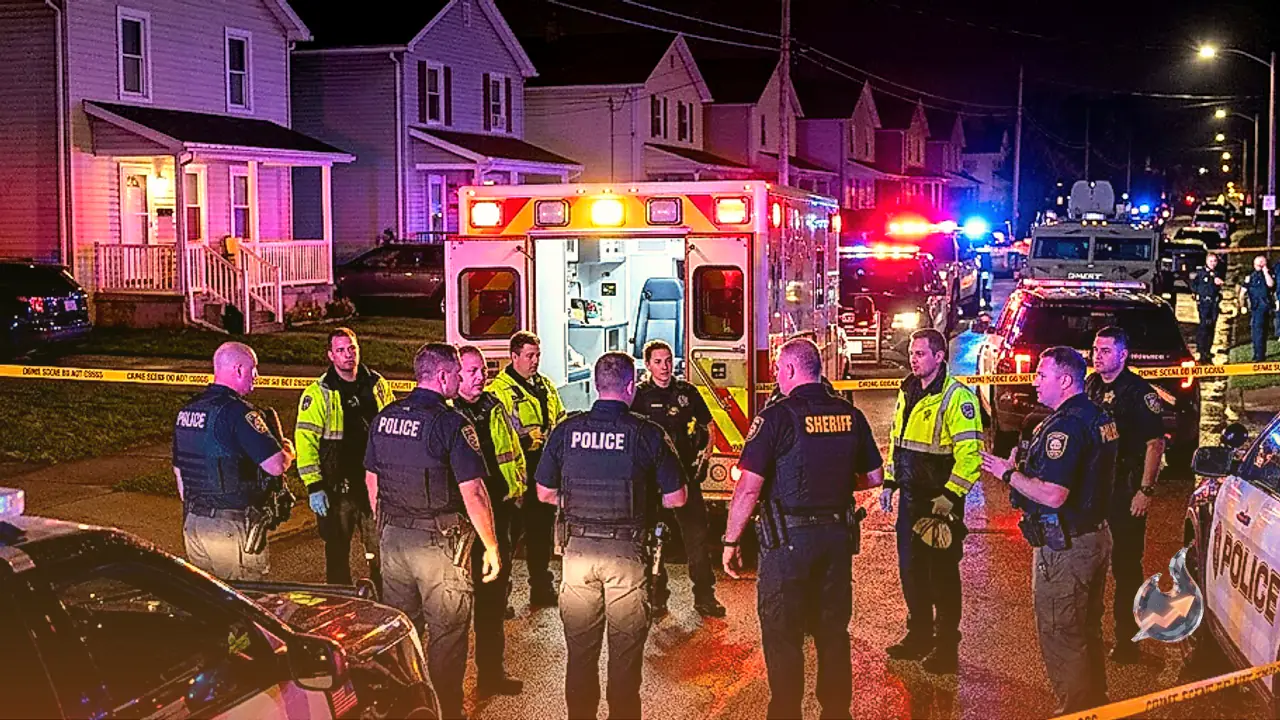
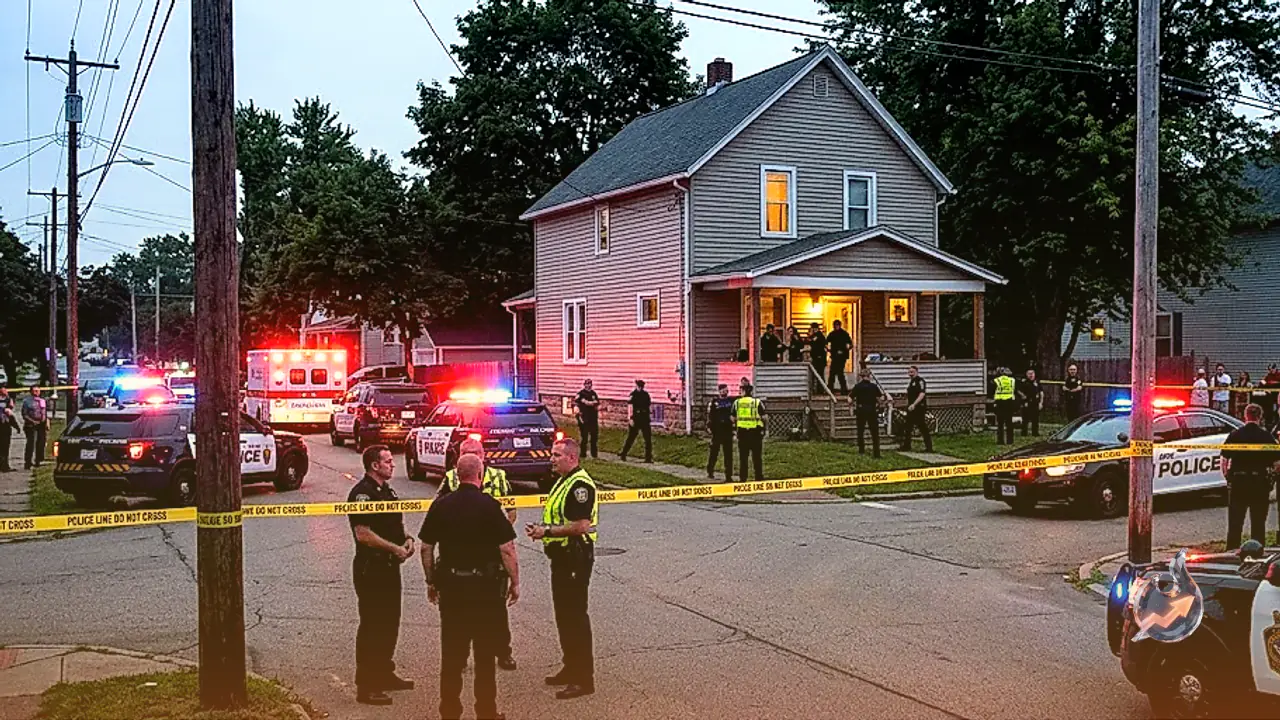
Prior to the attack, Nidal Malik Hasan worked directly within the ranks of the military as an army psychiatrist. In 2009, he entered a medical processing facility at Fort Hood where service members were undergoing health examinations before redeployment. Inside the facility, Hasan shouted "Allahu Akbar" and opened fire on the personnel using a handgun fitted with a laser sight. The shooting left 13 individuals dead and wounded more than 30 others, turning the base medical center into a major crime scene.
Courtroom Stance and Motive
Throughout his court martial, Nidal Malik Hasan expressed little desire to mount an extensive legal defense against the capital charges. He told jury members that the physical evidence would conclusively prove he was the gunman responsible for the bloodshed. Explaining his actions, Hasan stated that he aimed to prevent the deployed American troops from heading to Afghanistan and killing fellow Muslims. Characterizing himself as a soldier who had deliberately switched allegiances, he chose not to contest the core facts presented by military prosecutors.
Potential Habeas Corpus Legal Challenge
Despite President Trump granting approval to carry out the death sentence, potential federal judicial proceedings could still intervene. According to an assessment published in The Army Lawyer magazine, Hasan retains the legal avenue to seek relief within the civilian federal court system through a habeas corpus petition. Should he initiate that process, a court order could halt the military execution procedure, potentially freezing any scheduled action for years while federal appeals run their course.
Execution Method and Public Broadcast Questions
Capital punishment procedures are seldom broadcast or made accessible to public viewers globally. Speculation surrounding a live broadcast of Hasan's execution places the United States under scrutiny alongside a very small group of nations. Currently, visible or publicly conducted executions remain confined to countries such as Iran and Afghanistan, making any live visual dissemination of the firing squad highly controversial on the international stage.