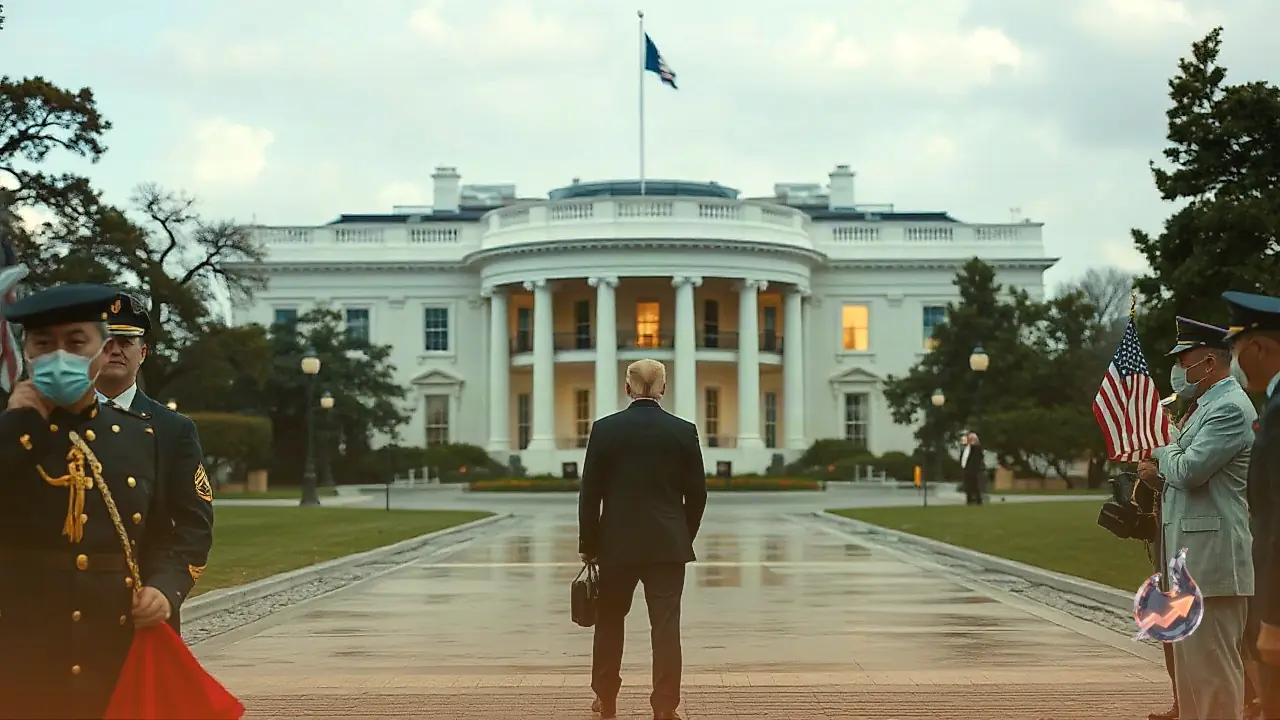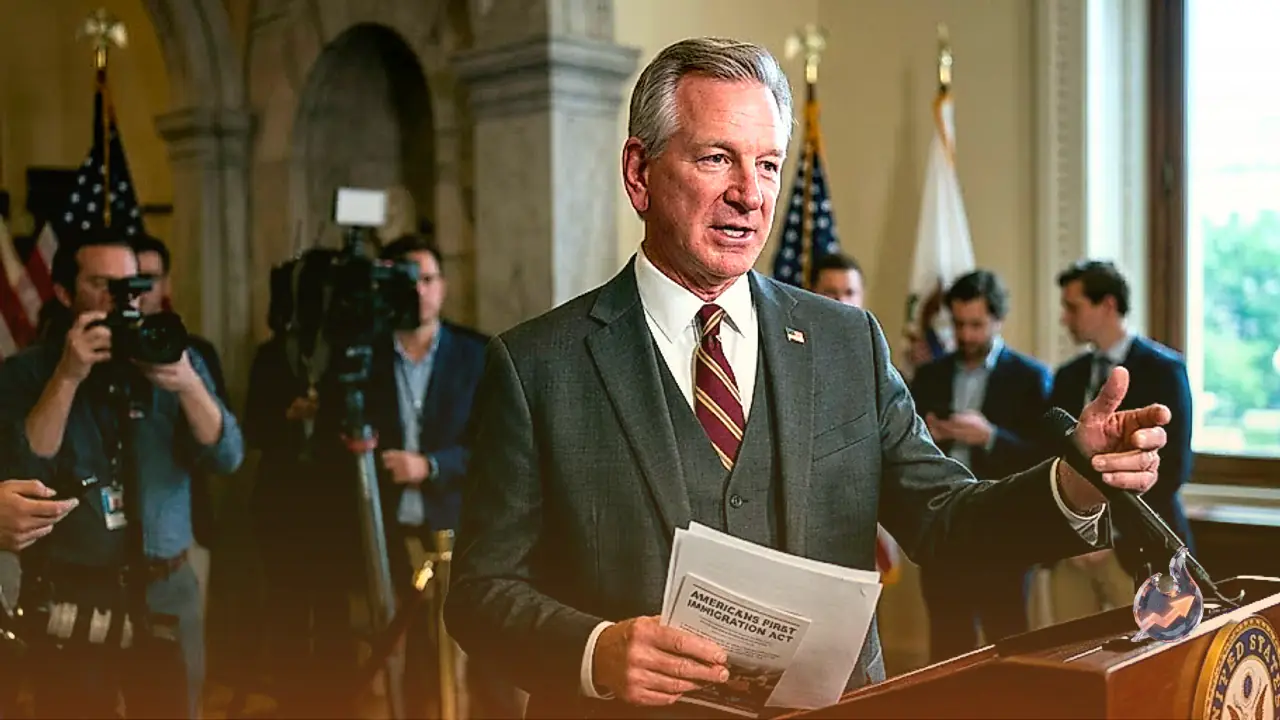




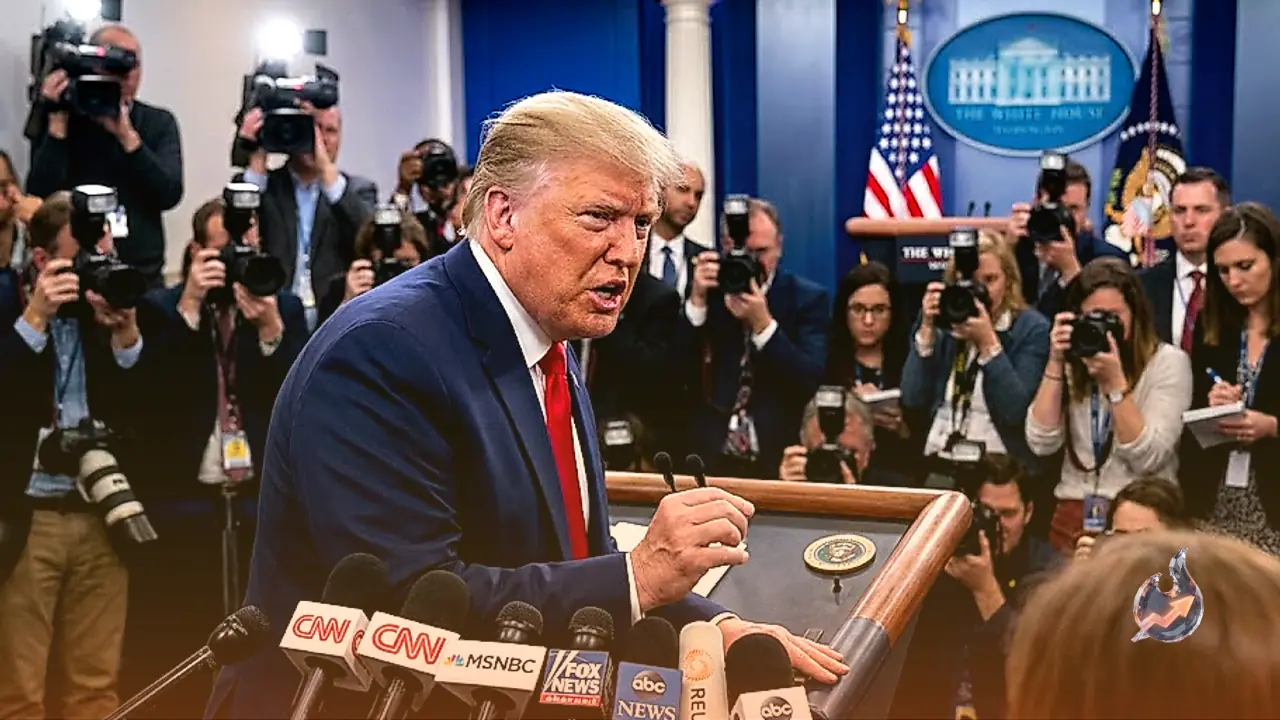
















Tensions across West Asia have escalated sharply following indications that US President Donald Trump has rejected a seven-day ceasefire proposal put forward by Iran. Administrative officials have disclosed that Donald Trump informed aides he may authorize a fresh wave of bombing strikes against Iranian targets once the US midterm elections in November conclude. This potential military escalation threatens to push the already volatile Middle East into a wider regional conflict. The development closely follows the forceful stance Trump adopted regarding Tehran during his address at the United Nations General Assembly.
Trump UN Address Outlines Stark Choices for Tehran
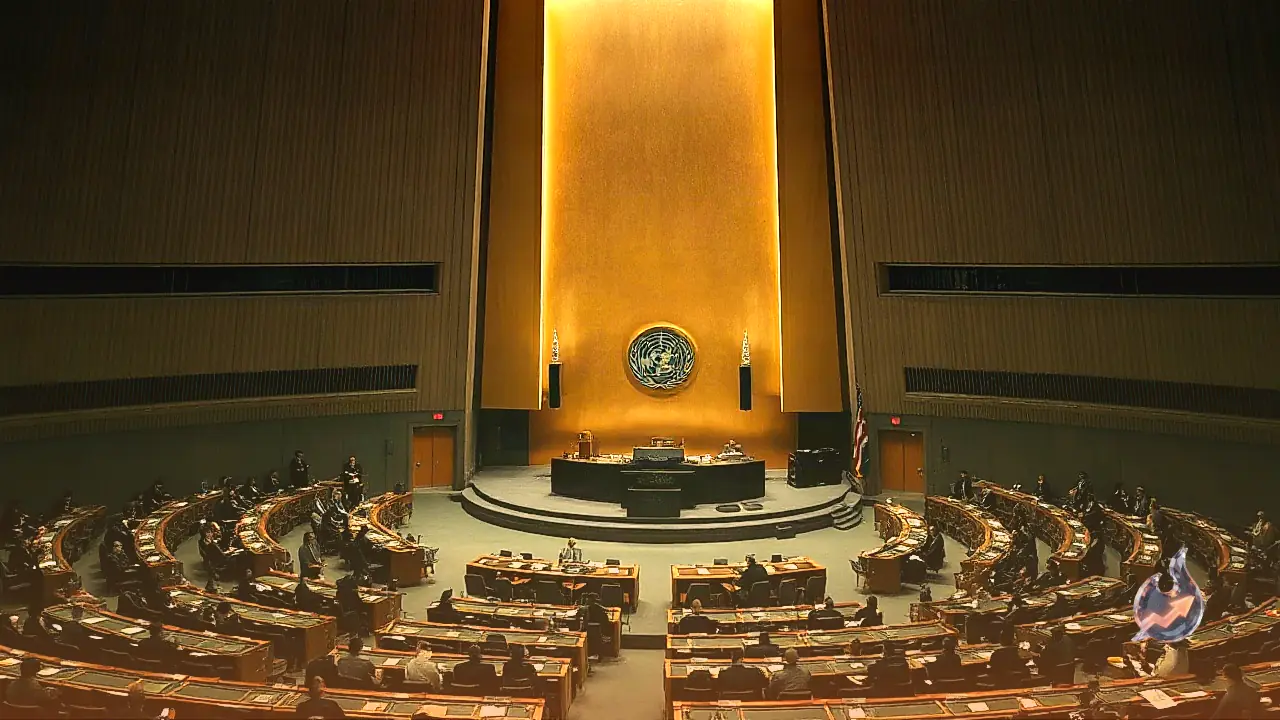
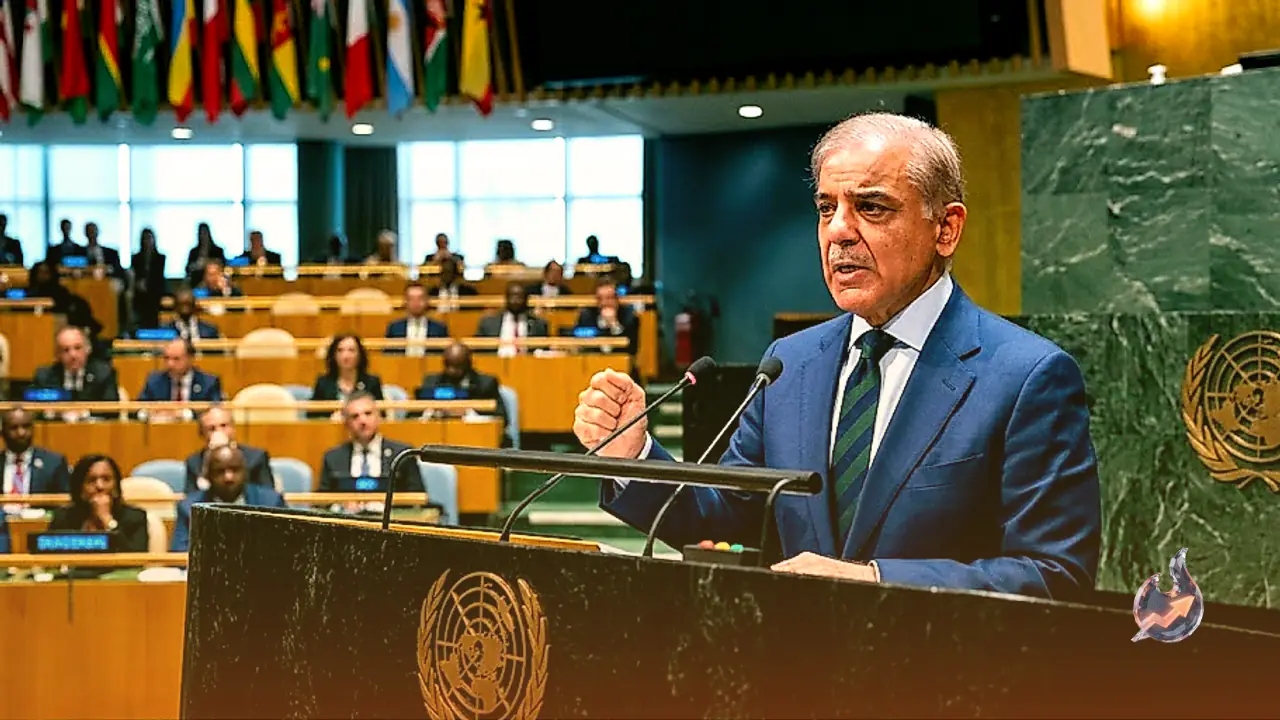
Addressing world leaders at the United Nations General Assembly on 22 September, Donald Trump outlined two distinct paths facing his administration regarding Iran. The US President stressed that a momentous decision lay ahead. He explained that one potential avenue was negotiating a comprehensive pact that would facilitate the rebuilding of Iran, potentially allowing it to emerge as a prominent and prosperous nation in the Middle East and the wider world.
Conversely, Donald Trump issued a stern warning about an alternative path, raising the prospect of swiftly dismantling the Islamic Republic to prevent it from carrying out further regional aggression or causing casualties. Despite the aggressive rhetoric, Trump also expressed confidence that a diplomatic agreement would likely materialize immediately after the elections, arguing that Tehran would ultimately have no viable reason to avoid a negotiated settlement.
Iran Seven Day Diplomatic Roadmap via Mediators
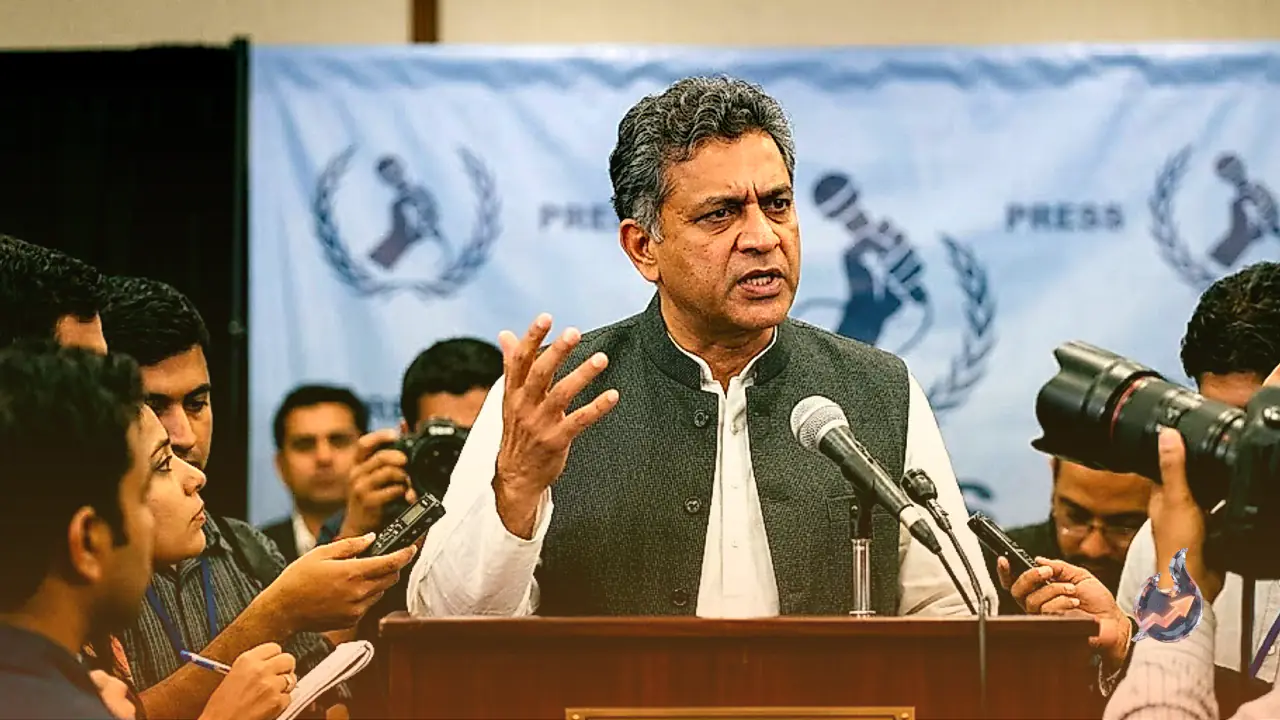
In response to the standoff, Iranian Foreign Minister Seyed Abbas Araghchi used the diplomatic sidelines of the United Nations General Assembly to present an alternative conflict-resolution framework. Araghchi announced that Tehran had conveyed a structured seven-day plan to Washington through established international intermediaries, aimed at halting hostilities and creating space for dialogue.
Explaining the core framework of the initiative, Seyed Abbas Araghchi stated, "We have put forward a plan to the US through mediators." The Iranian foreign minister detailed that under this proposal, meeting specific baseline conditions would lead to the reopening of the strategically vital Strait of Hormuz on the seventh day. This step was envisioned to pave the way for broad-based diplomatic negotiations concerning Iran's nuclear program. Araghchi argued that finalizing a diplomatic deal prior to the US midterm elections would provide greater certainty for all parties involved.
Diplomatic Exchanges with Germany
As part of Tehran's diplomatic outreach, Seyed Abbas Araghchi held formal discussions with German Foreign Minister Johann Wadephul. During their bilateral meeting, Araghchi reiterated that Iran had communicated reasonable conditions and requirements necessary to advance meaningful diplomatic engagement with Washington. He emphasized that durable regional stability would remain elusive unless foreign interference and military aggression directed at Iran were brought to an end.
The Iranian foreign minister affirmed that his nation remains dedicated to pursuing diplomatic channels concerning its peaceful nuclear activities. He maintained that the international community could not overlook Iran's demonstrated goodwill in attempting to resolve outstanding issues through negotiations rather than escalation.
President Masoud Pezeshkian Condemns US Policy
Meanwhile, Iranian President Masoud Pezeshkian placed the blame for the collapse of diplomatic agreements squarely on Donald Trump and the United States administration during an interview with Fox News. Pezeshkian explained that a framework agreement established in June had established a clear path forward, but unilateral American actions dismantled the progress.
Reflecting on the breakdown in relations, Masoud Pezeshkian remarked, "The problem is that America stepped onto the field by bombing instead of talking and closed every path." The Iranian president stated that his government had never sought to unlawfully close the Strait of Hormuz, maintaining that the passage had remained open until military strikes were initiated against Iranian leadership. He pointed to the targeted killing of their respected Supreme Leader as a critical turning point that extinguished the diplomatic momentum established during earlier rounds of talks.
The Critical Importance of the Strait of Hormuz
The diplomatic breakdown traces back to the tentative understanding reached between Iran and the United States in June, which Tehran claims was derailed by subsequent American and Israeli military operations. Both Washington and Tehran continue to trade accusations over who is responsible for the deteriorating security climate in the region.
The reopening of the Strait of Hormuz remains the centerpiece of the seven-day proposal presented by Iran. As the most vital maritime chokepoint for the international transit of petroleum and liquefied natural gas, any sustained closure or military action in the waterway carries severe consequences for global trade. If the US administration proceeds with post-election military operations rather than engaging with Tehran's proposed framework, global energy markets could face unprecedented disruption and price instability.