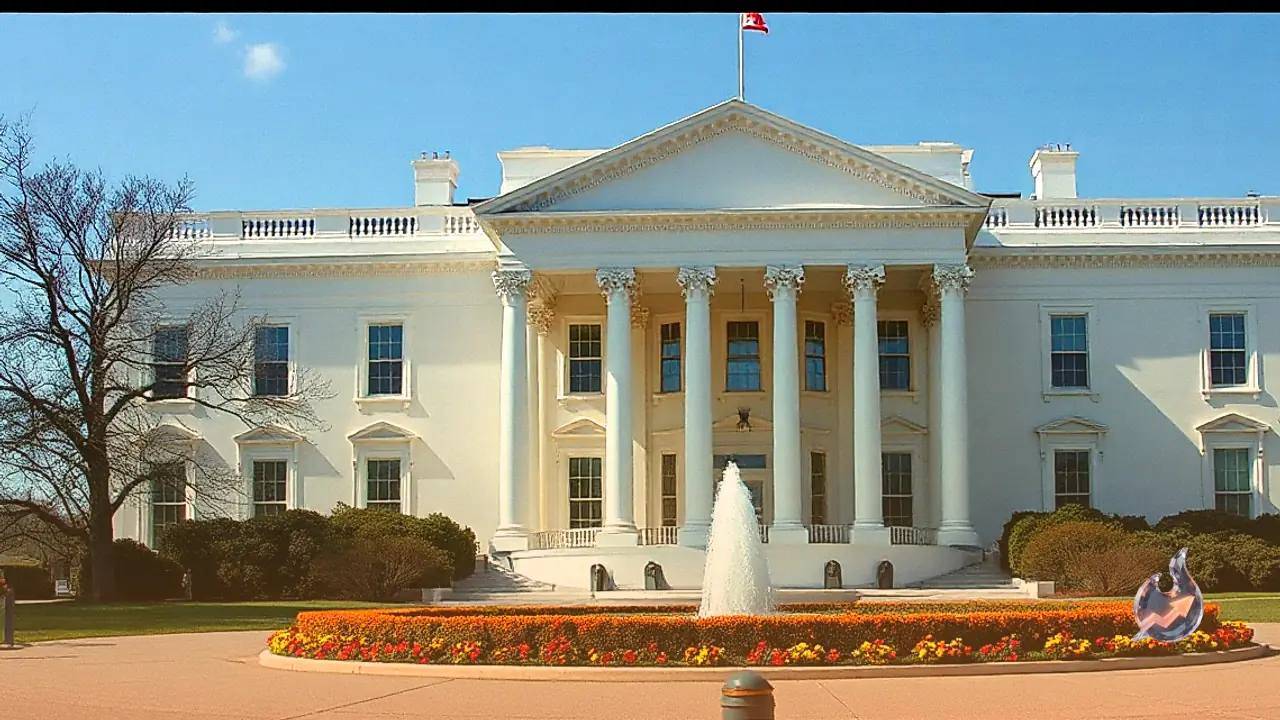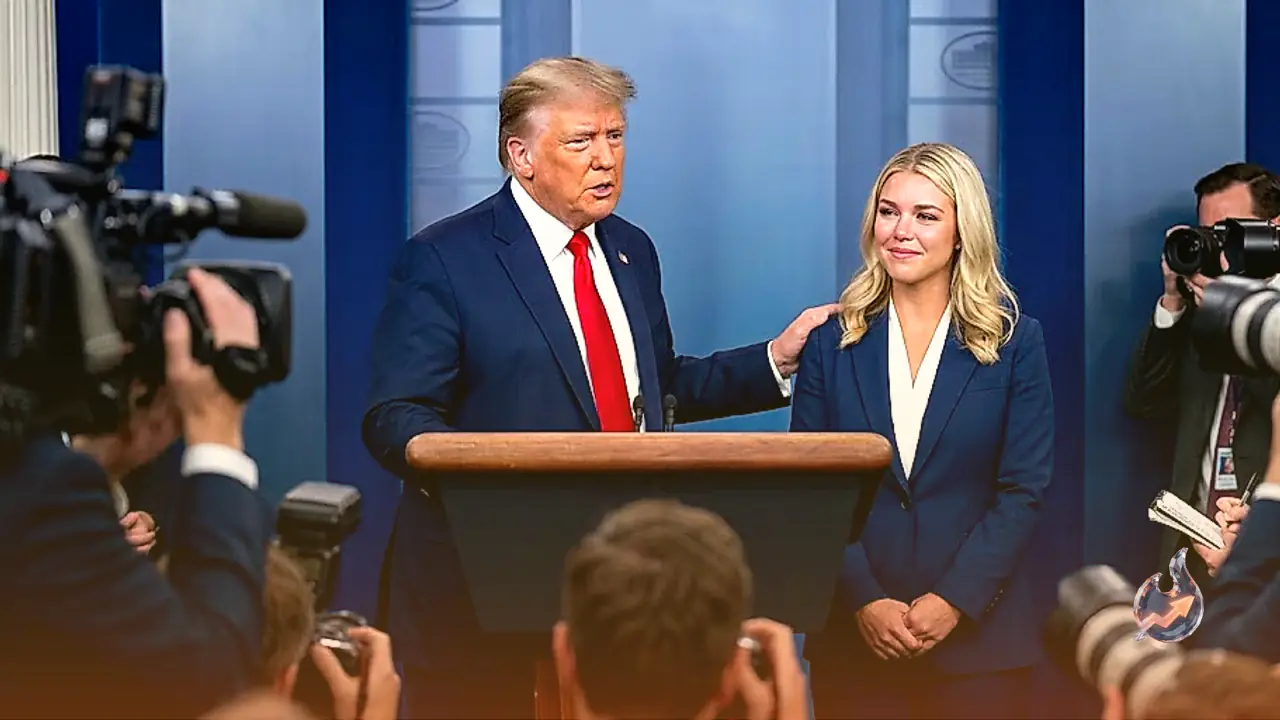
























Recent headlines surrounding Karoline Leavitt taking a respectful departure from her position as White House Press Secretary have brought renewed attention to one of the most intense controversies in American political history. During the mid 1990s, an affair involving a young staffer and the nation's highest office holder escalated into a global media firestorm. The resulting scandal left a lasting impact on public discourse and permanently altered the life of the young woman at the center of the ordeal.
Initial Days at the White House and the Unfolding Affair
The sequence of events began in July 1995 when 22-year-old Monica Lewinsky entered the White House as an unpaid intern. Like many young professionals starting their careers, she joined the administration expecting to gain valuable workplace experience. However, the environment would soon change her life trajectory entirely.
By November 1995, just a few months after her arrival, a personal relationship developed between Monica Lewinsky and then President Bill Clinton. At that time, Clinton was 49 years old and leading the United States government, while Lewinsky was a 22-year-old junior worker. Within the halls of the White House, whispers and rumors regarding the closeness between the president and the intern began to circulate among staff.
To diminish security risks and quiet the growing controversy, officials arranged for Lewinsky to be transferred to the Pentagon, the headquarters of the Department of Defense, in April 1996. Despite the physical separation and relocation to another government facility, communication between Lewinsky and the president did not come to a halt.
Linda Tripp's Betrayal and the Audio Tape Scandal
While working at the Pentagon, Lewinsky formed a close friendship with a colleague named Linda Tripp. Viewing Tripp as a trusted confidante, Lewinsky shared detailed accounts of her personal relationship and ongoing communications with Clinton. However, Tripp breached that trust by secretly recording their private telephone conversations over an extended period.
In January 1998, Linda Tripp delivered these secret audio tape recordings to independent investigators examining the administration. News of the disclosures swiftly broke across the internet and traditional news outlets worldwide, triggering immediate frenzy across media platforms. Discussions concerning the affair dominated public conversation from official corridors in Washington to households across the nation.
DNA Evidence, Public Denial, and Impeachment
When the accusations first surfaced publicly, President Bill Clinton stood before television cameras and firmly denied having any personal relationship with the former intern. However, the investigation later uncovered a crucial physical item, a blue dress belonging to Lewinsky that contained Clinton's DNA. Confronted with undeniable scientific evidence, Clinton eventually appeared on national television to admit that he had misled the public about the nature of the relationship.
Following revelations that he had given false testimony under oath, legal proceedings led to impeachment charges being brought against Bill Clinton. Although Clinton successfully retained his presidential office through the senate trial process, Lewinsky bore the heaviest consequences of the political storm. She was forced to leave the White House under intense public disgrace and suddenly found herself the target of relentless international media scrutiny and hostility.
From Public Humiliation to Global Anti-Bullying Advocacy
In the aftermath of her exit from the White House, Lewinsky faced severe ongoing hardship. She struggled for years to secure employment due to the stigma attached to her name, while battling deep emotional distress and depression. Seeking a fresh environment away from the constant spotlight, she eventually moved to the United Kingdom to pursue further academic studies.
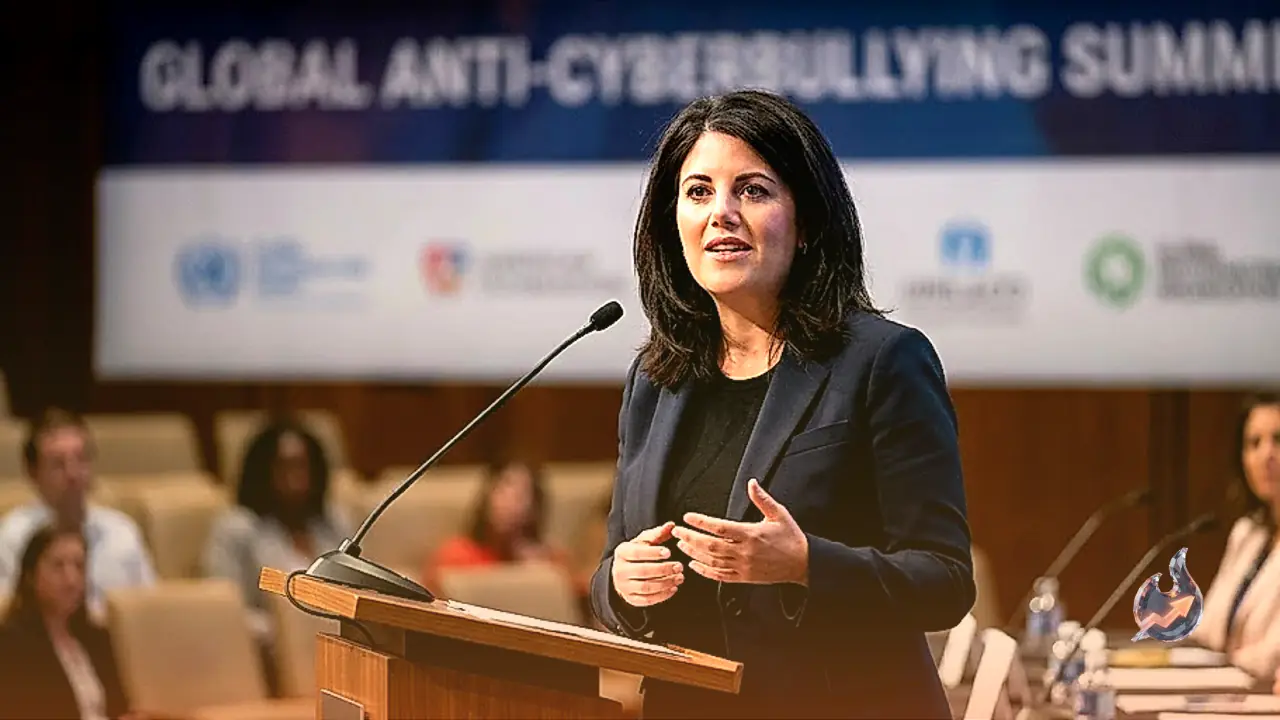
Decades after the events transpired, Monica Lewinsky successfully rebuilt her personal and professional life. Today, she functions as a prominent anti-cyberbullying activist, utilizing her personal experiences to advocate globally against online harassment, public shaming, and digital trolling.