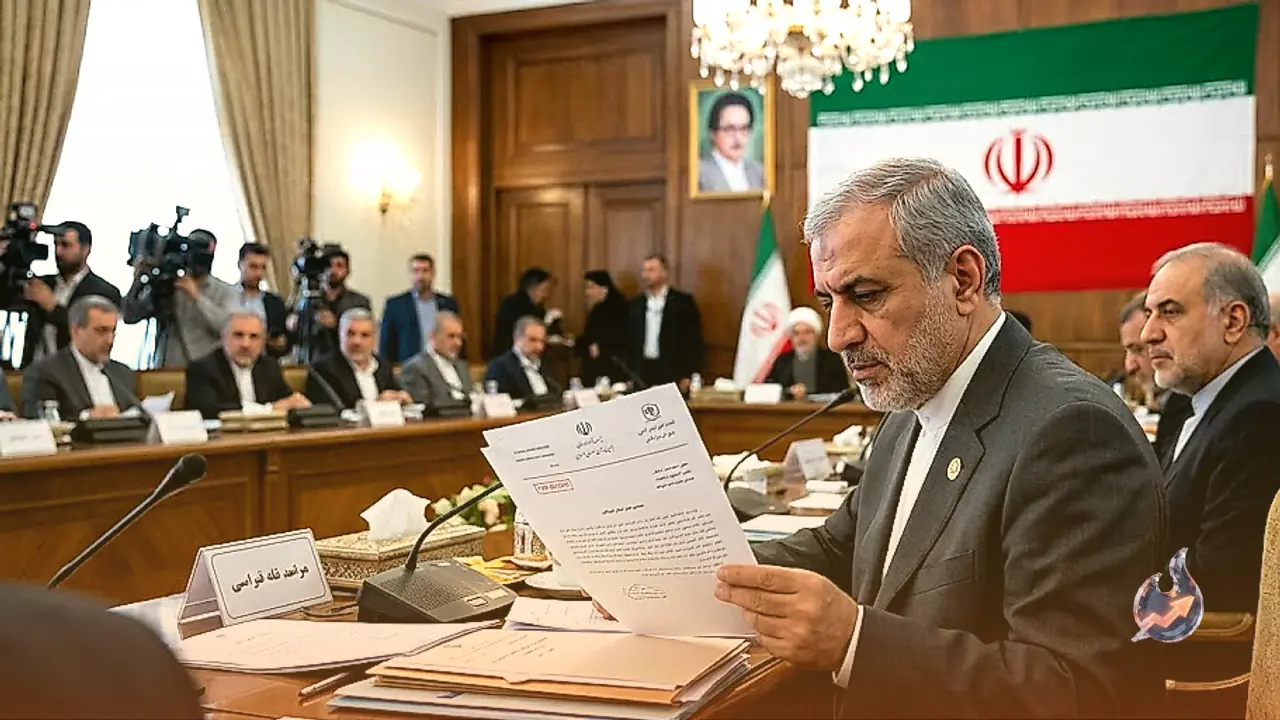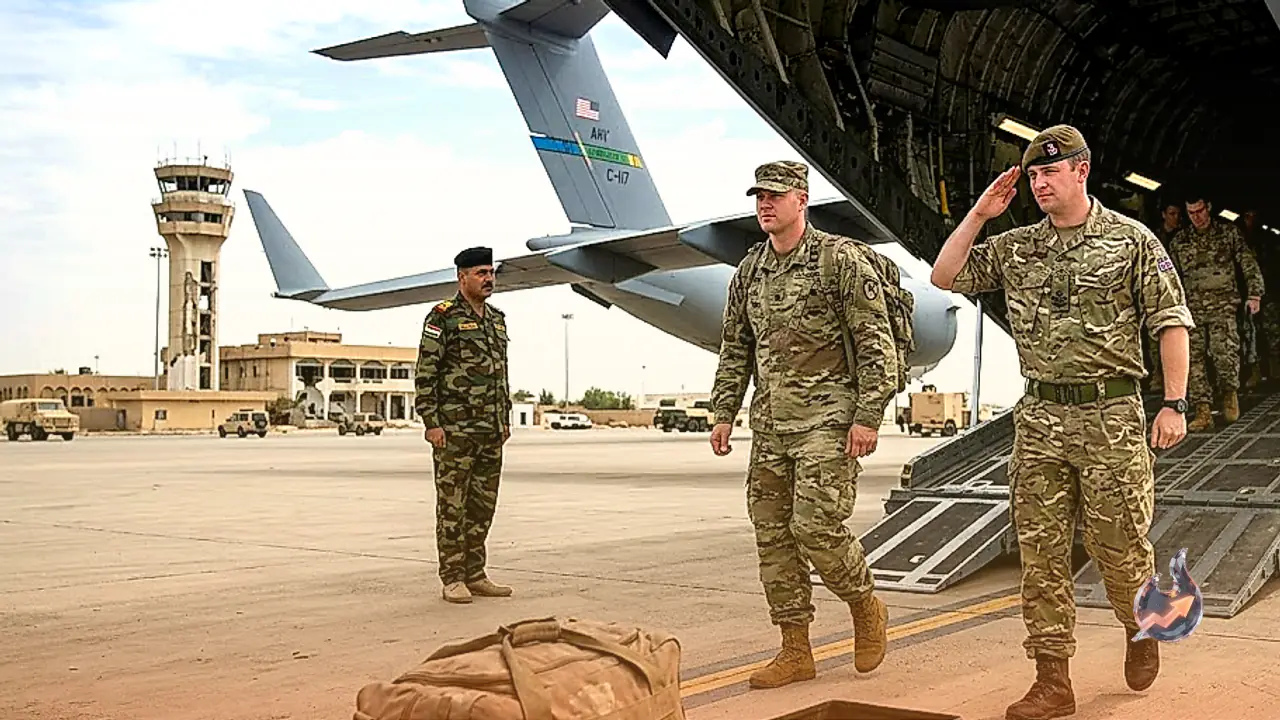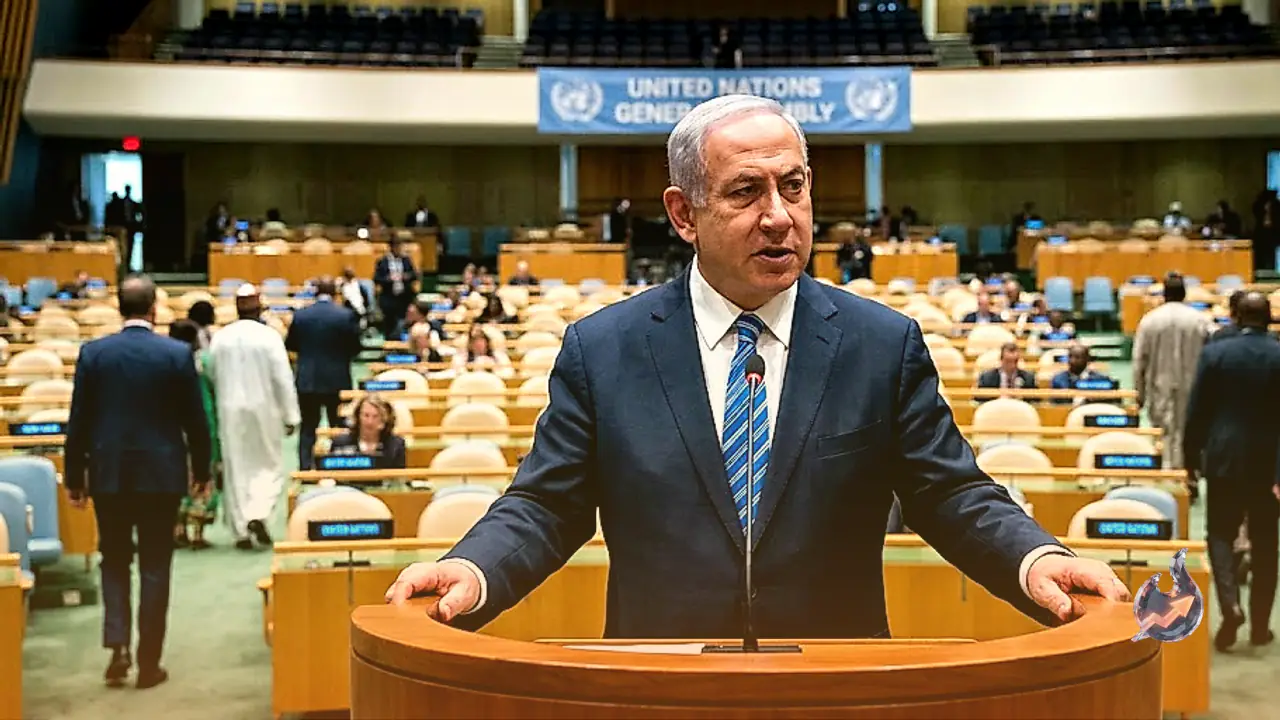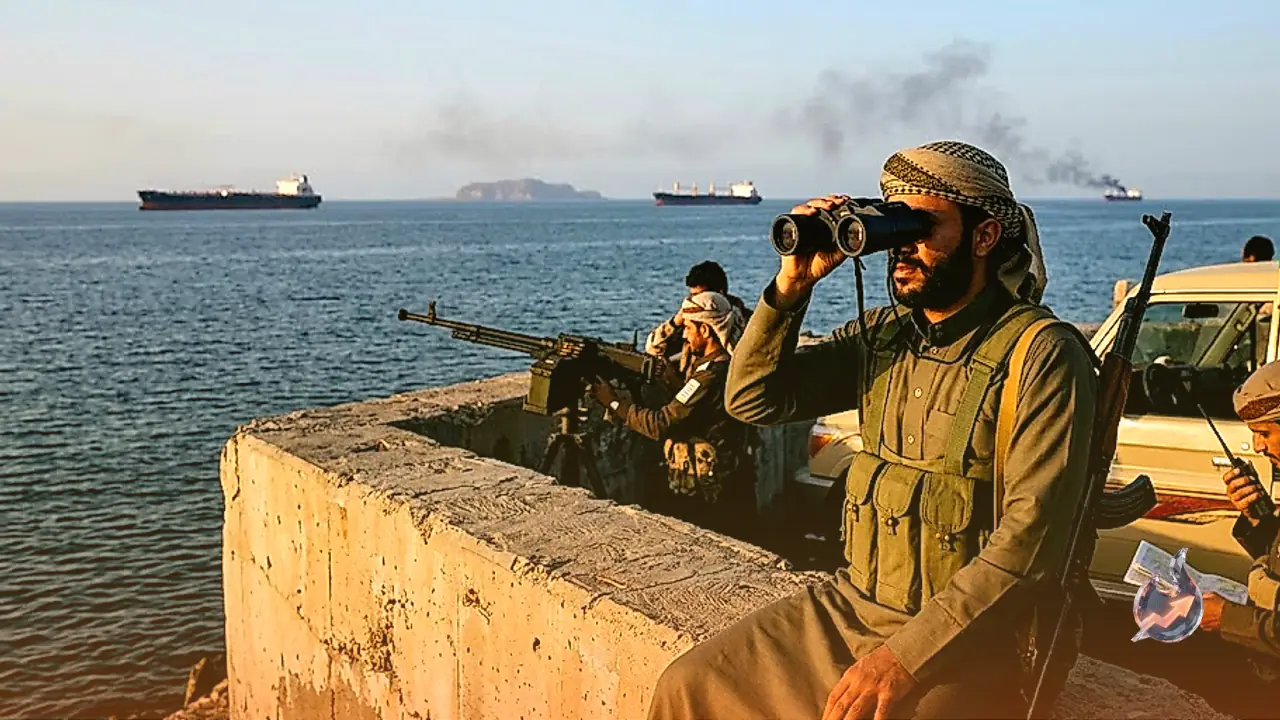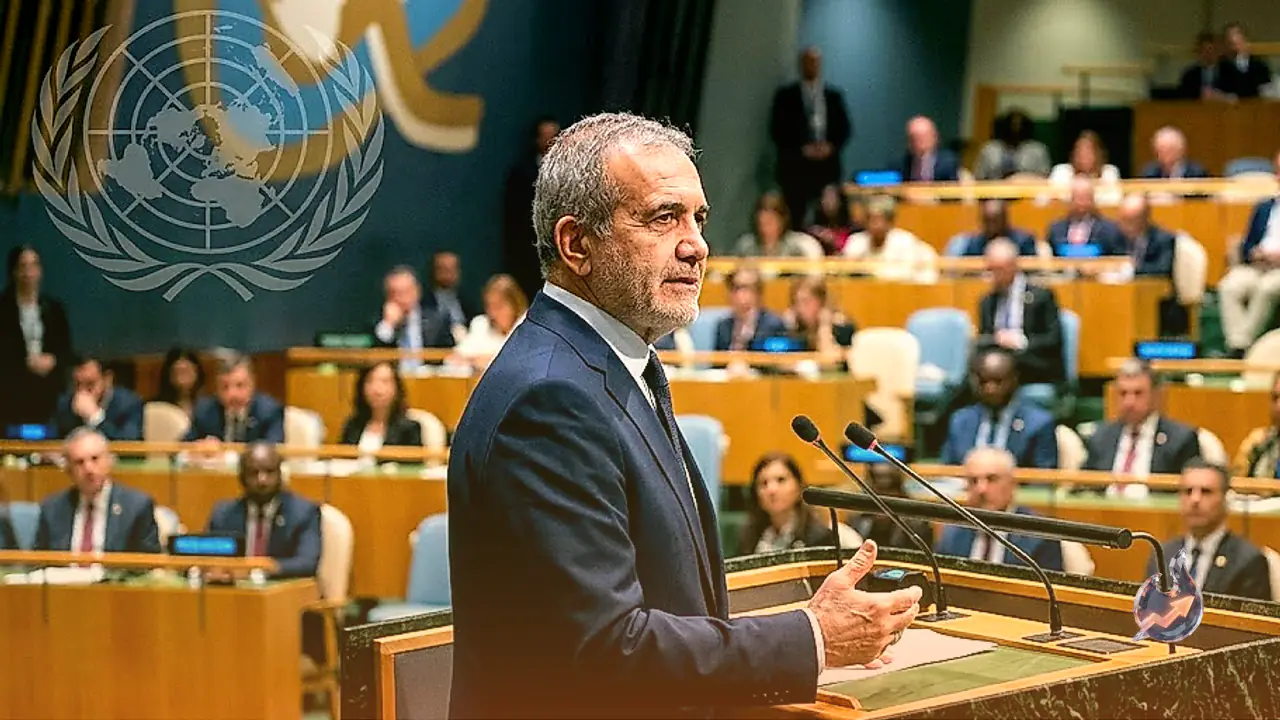























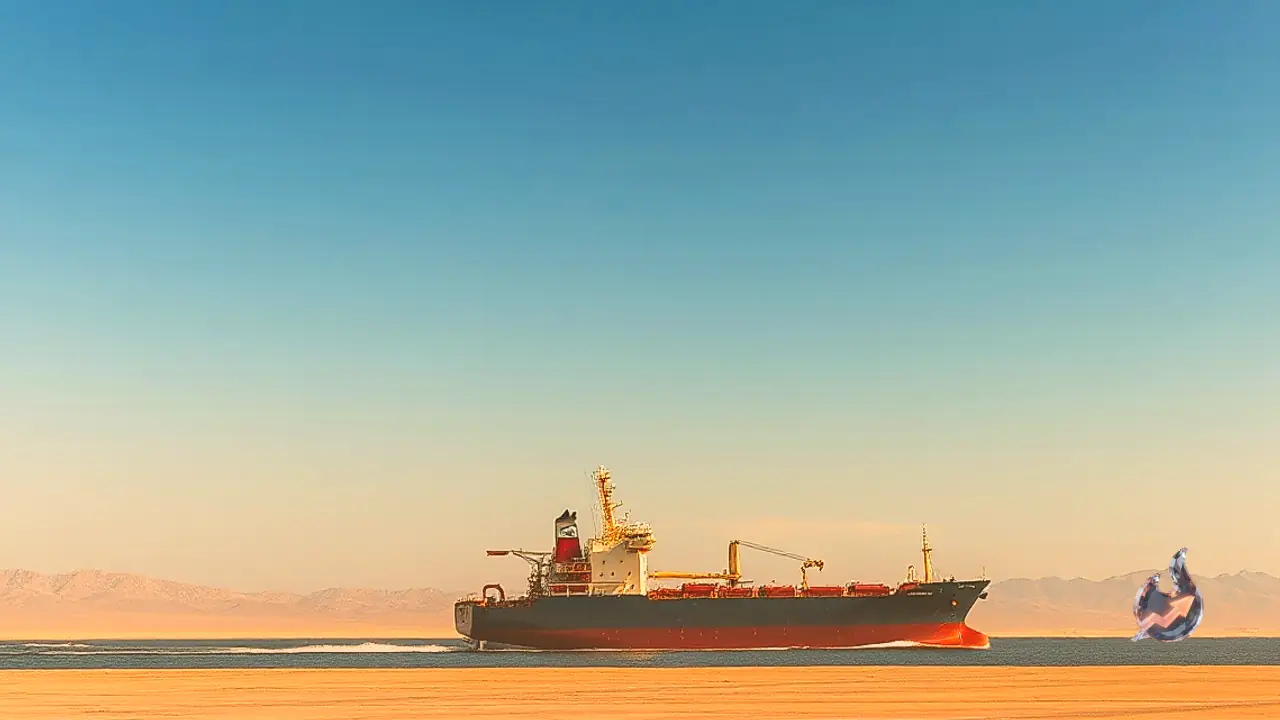

Tensions between the United States and Iran have escalated sharply following conflicting statements over the governance of the Strait of Hormuz. One day after US President Donald Trump claimed that Washington had established full control over the strategic passage, Iranian authorities issued a stern rejection on Thursday, August 13. Iranian officials emphasized that the critical maritime corridor remains entirely under the management, operational oversight, and security framework of Tehran.
Iranian Officials Refute US Claims
Addressing the issue on Iranian state television, Hossein Taeb, head of the Basij militia affiliated with Iran's Islamic Revolutionary Guard Corps (IRGC), categorically dismissed the American stance. Taeb asserted during an interview that the Strait of Hormuz continues to operate under the management and control of the Islamic Republic. He added that the nation is maintaining its forward momentum while ensuring total security across the passage, denying any loss of operational command.
Foreign Minister Araghchi Points to Intelligence Miscalculations
Adding to the diplomatic pushback, Iranian Foreign Minister Abbas Araghchi criticized the US assertion on social media platform X. Araghchi stated that Washington has a long historical track record of miscalculating regional realities due to persistent intelligence failures. He characterized the aggressive US posture toward Iran and its recent statements regarding control over the Strait of Hormuz as symptoms of this deep seated misunderstanding.
Restrictions Directed at US and Israeli Maritime Traffic
Providing further detail on operational enforcement, Iranian lawmakers clarified the scope of maritime restrictions within the waterway. Behnam Saeedi, a member of the Iranian Parliament's National Security Committee, spoke on state television regarding vessel transit policy. Saeedi emphasized that passage restrictions are specifically enforced against ships connected to the United States and Israel. He noted that Israeli linked vessels will be denied access to the Strait of Hormuz under all circumstances, whether in times of war or peace.
Background of Trump's 'Total Control' Declaration
The firm response from Tehran follows statements made by President Donald Trump on Wednesday, in which he announced that the US had secured total control over the Strait of Hormuz. Describing the US naval blockade as a wall of steel, Trump maintained that Iran possessed no capacity to counter the American military presence. He stated that Washington intended to preserve its dominance over the key global oil transit route. Iran's immediate counter-claims underscore the ongoing geopolitical friction in one of the world's most sensitive chokepoints.