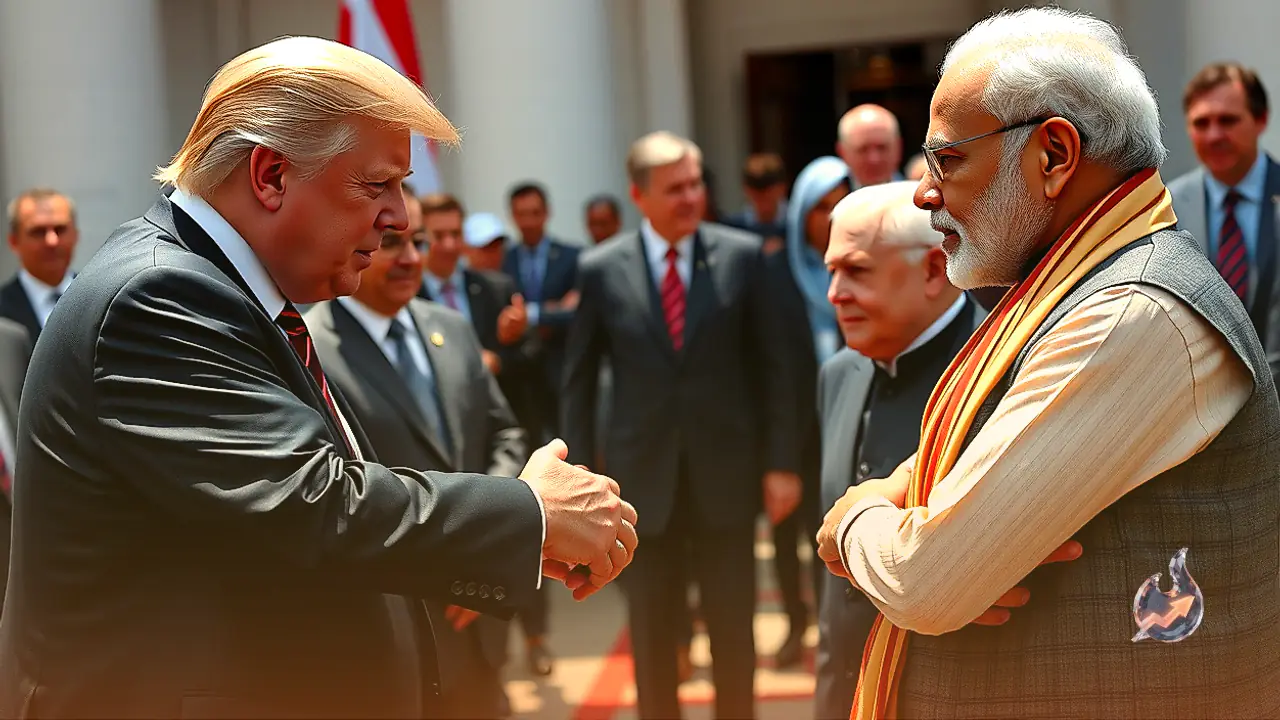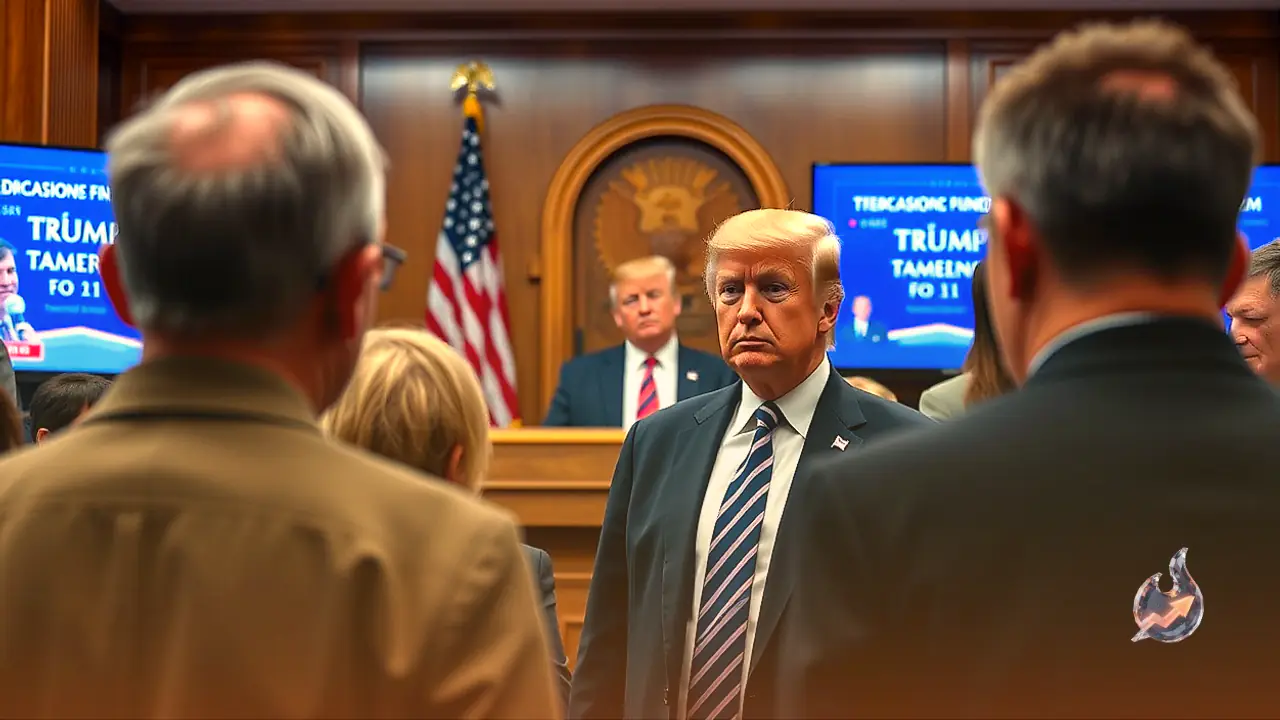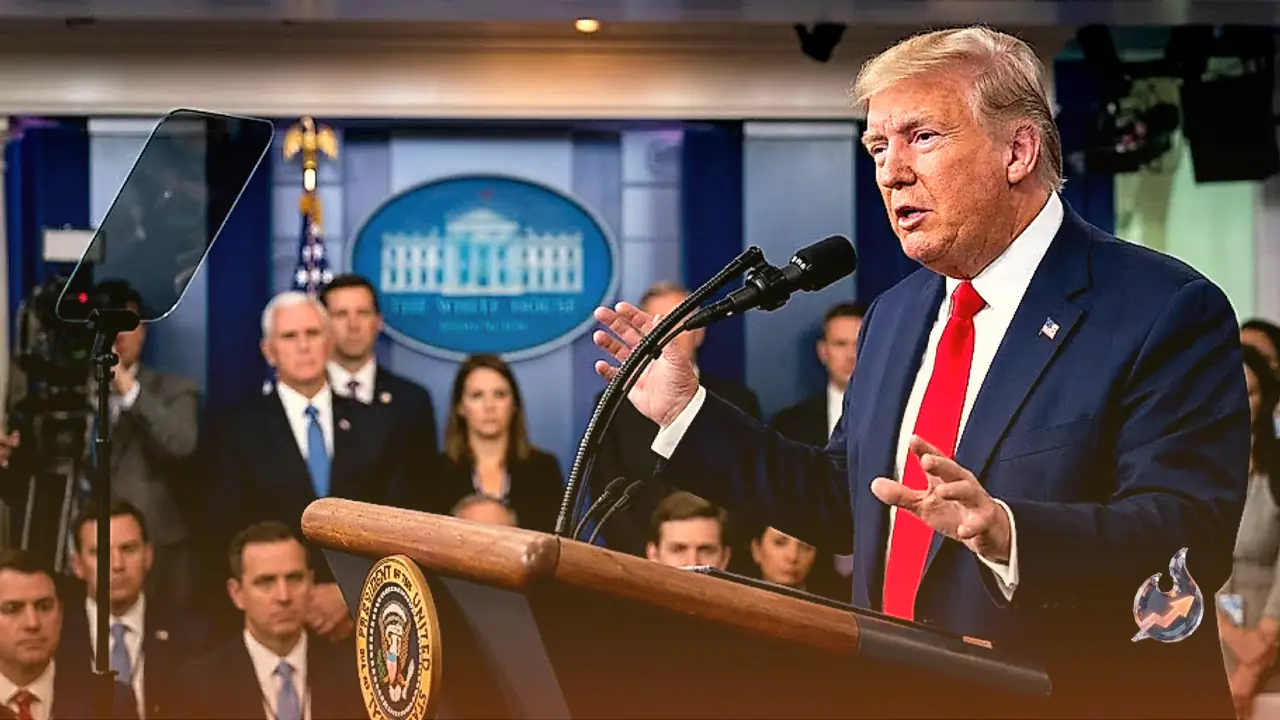




















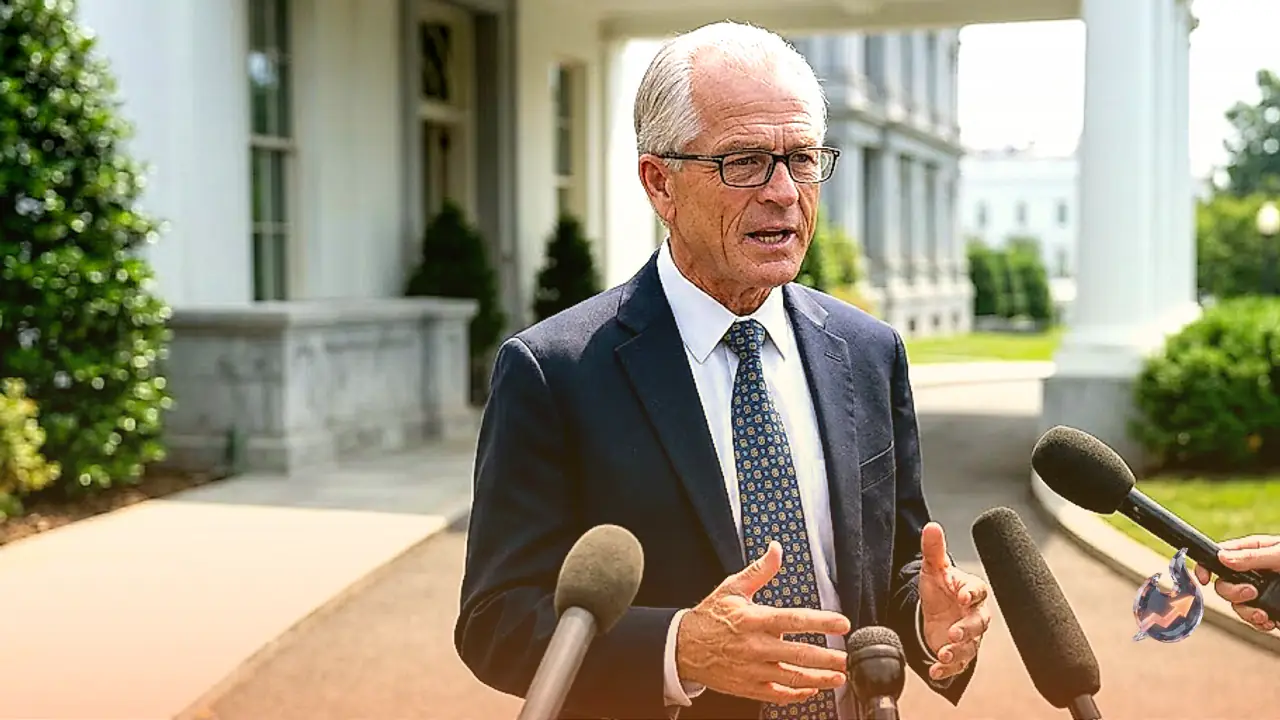

Speaking to journalists at the White House in Washington, Peter Navarro, Counselor to the US President, addressed ongoing discussions regarding potential trade friction between the United States and India. Navarro emphasized that US President Donald Trump and Prime Minister Narendra Modi maintain strong working relations. He expressed confidence that both leaders would directly resolve bilateral trade matters, including concerns surrounding a newly passed bill in the US Senate that proposes high tariffs on nations purchasing Russian energy resources.
White House Perspective on US-India Trade Relations
Clarifying his personal stance, Peter Navarro noted that he does not intend to step between the two world leaders as they navigate trade negotiations. He stated that matters of this nature should be settled directly through high-level dialogue between Donald Trump and Narendra Modi. Navarro highlighted that the personal dynamic between the US President and the Indian Prime Minister provides a reliable framework for addressing complex economic differences and maintaining diplomatic stability between Washington and New Delhi.
Background on Russian Crude Oil Exports and Financial Pressures
During the interaction, Navarro referenced an opinion piece he published roughly 6 months ago in the Financial Times. He remarked that prior to the outbreak of the Ukraine conflict, India did not engage heavily in the purchase of Russian crude oil. However, Indian imports subsequently grew significantly, accompanied by substantial sales of refined petroleum products. Navarro argued that these transactions contributed to funding Russia's military operations, though he acknowledged that the specific operational issue had since been addressed. He also disclosed that his article prompted widespread online criticism from individuals in India, remarking that policy resolution in the US is not driven by internet commentary.
US Senate Legislation Authorizing 100 Percent Tariffs
The backdrop to Navarro's statements involves key legislation passed by the US Senate on August 7 by a margin of 86 to 11. The approved bill grants the US President discretionary authority to impose tariffs of up to 100 percent on the top five importers of Russian crude oil or natural gas, a group that includes India and China. Legislative proponents argue that continued energy commerce with Moscow reinforces the Russian economy and indirectly finances military campaigns in Ukraine. The legislative measure marks the culmination of a year-long initiative led by the late Senator Lindsey Graham to fortify American backing for Ukraine while heightening economic pressure on Russian President Vladimir Putin.