






















Amid escalating military tensions with Iran, critical questions have emerged regarding the state of the United States air defense inventory and missile stockpiles. Indications from top government circles in Washington suggest that reserves of vital interceptor missiles have dipped to precarious levels. This development coincides with intense internal deliberations over strategic priorities and defensive readiness among high-ranking administration officials. Although official spokespersons firmly deny any internal friction or material shortages, the supply status of advanced defense networks presents a pressing challenge for American defense planners evaluating potential long-term engagements in the Middle East.
Depleted Interceptor Stockpiles and the Camp David Cabinet Session
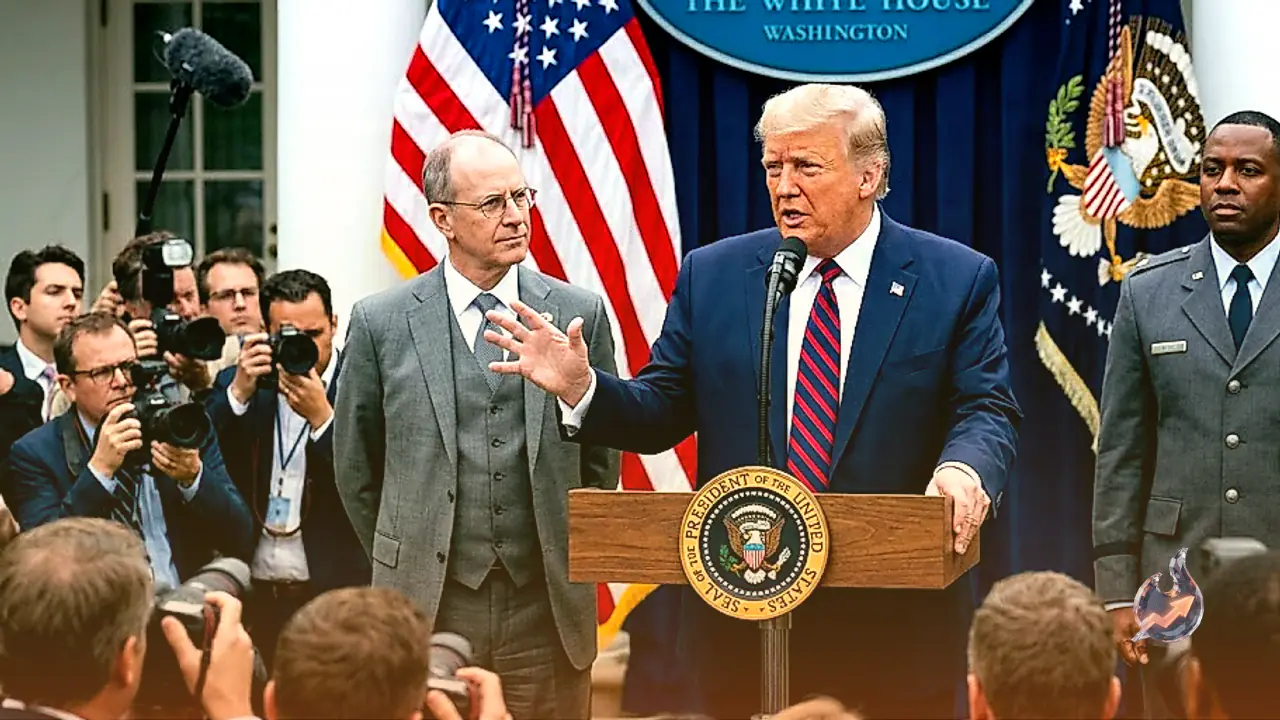
During a high-level cabinet gathering conducted last week at Camp David, executive leadership evaluated defense readiness across multiple operational theaters. In this session, President Donald Trump directly questioned Defense Secretary Pete Hegseth regarding the availability of long-range missiles and surface-to-air interceptors. President Donald Trump had operated under the understanding that earlier supply constraints concerning precision interceptors had already been resolved. When pressed during the meeting for details on inventory levels and production timelines, Defense Secretary Pete Hegseth shifted accountability for the situation onto his deputy, Stephen Feinberg.
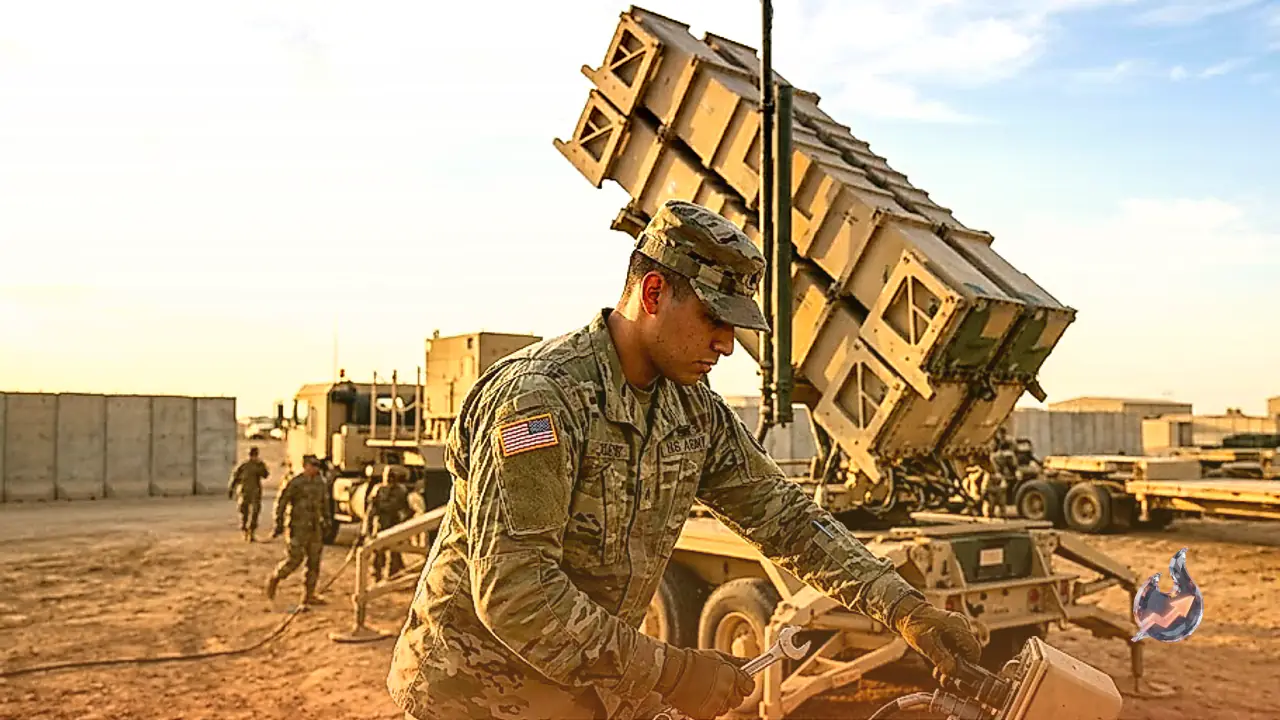
Operational metrics reveal that nearly 80 percent of the US stock of THAAD ballistic missile interceptors has already been deployed or consumed. Concurrently, approximately 50 percent of the Patriot interceptor supply has been utilized. Strategic analysts note that remaining inventories have reached dangerously depleted levels. With fears mounting over renewed missile and drone strikes originating from Iran, this sharp drawdown in interceptor capacity poses severe operational limits on regional defense posture.
Official Denials from the White House, Pentagon, and Trump
Following details of the cabinet discussion and supply metrics, executive institutions moved rapidly to push back against claims of division. Both the White House and the Pentagon completely rejected allegations of leadership conflicts and weapon depletion. White House Press Secretary Karoline Leavitt stated, "This is 100 percent fake news. Nothing like this happened. President Trump has full confidence in Secretary Hegseth."
Echoing this stance, Pentagon spokesman Sean Parnell clarified that Defense Secretary Pete Hegseth had not misled leadership nor placed blame on Deputy Stephen Feinberg. The spokesman emphasized that narratives alleging depleted missile stocks, structural discord within defense headquarters, and doubts surrounding the Defense Secretary's positioning on Iran were entirely fictional.
President Donald Trump subsequently addressed the situation directly through a public statement on the social media platform Truth Social. Donald Trump asserted that the United States maintains massive quantities of weaponry and ammunition. He claimed that fresh military hardware and advanced munitions are actively being manufactured and delivered to meet operational demands. Furthermore, Trump argued that those circulating reports to the contrary should face accountability for spreading misleading information.
Strategic Ambiguity and Disagreements over Iran Objectives
Beyond immediate inventory concerns, the administration faces internal divergence regarding its broader strategic endgame in Iran. Advisers to President Donald Trump remain divided on what the core objective of US policy should be. One faction maintains that the primary objective must focus strictly on preventing Iran from developing nuclear weapons capabilities. Another group argues for prioritizing the security and reopening of the vital maritime transit corridor in the Strait of Hormuz. Meanwhile, a third contingent advocates for the complete dismantlement of Iran's regional missile and uncrewed aerial vehicle infrastructure.
Addressing this lack of unified direction, a US official noted, "We have won some tactical victories, but without a clear policy we are heading toward strategic defeat." Additionally, an associate close to President Donald Trump indicated that the President is increasingly frustrated by how negotiating a durable agreement with Iran is turning out to be far more difficult and complex than originally anticipated.