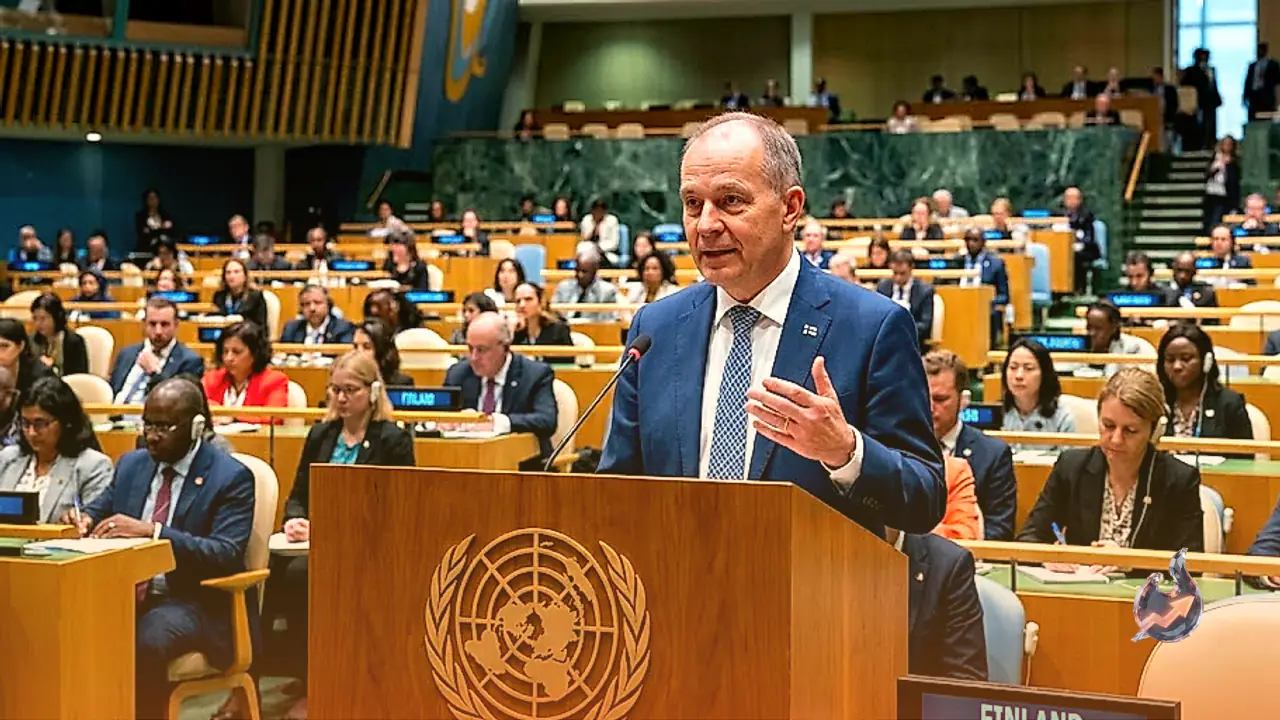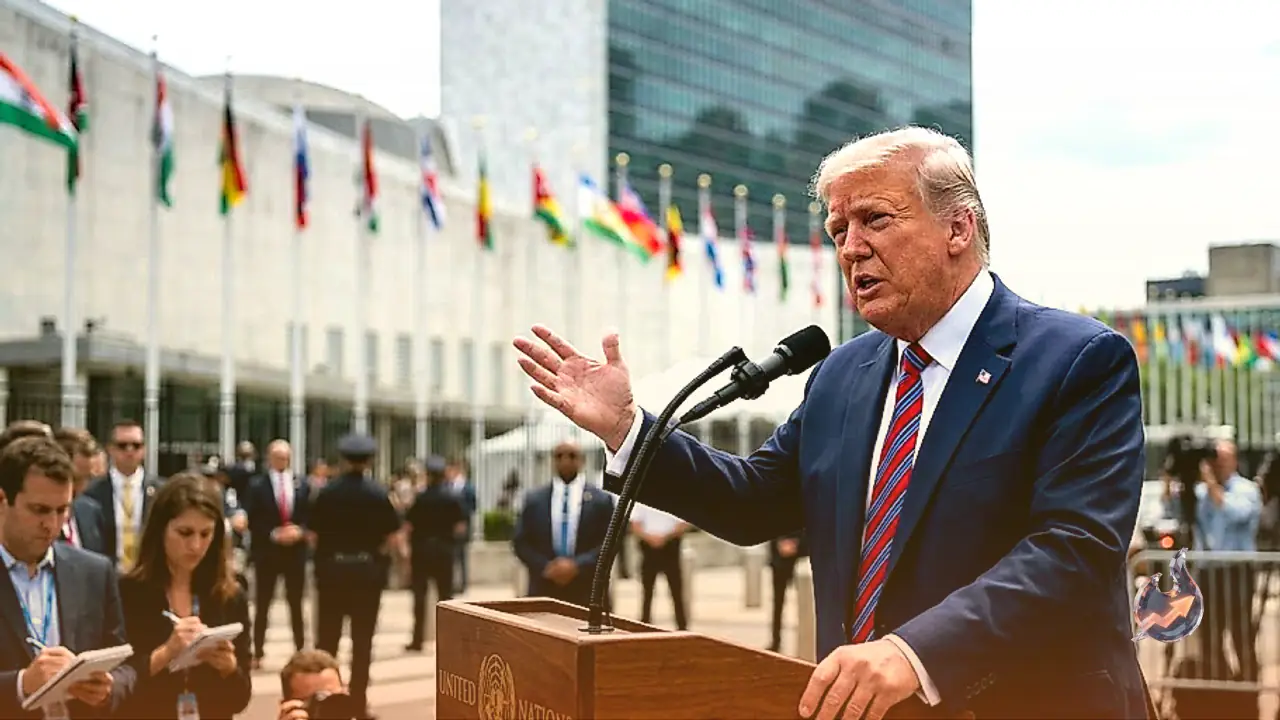




















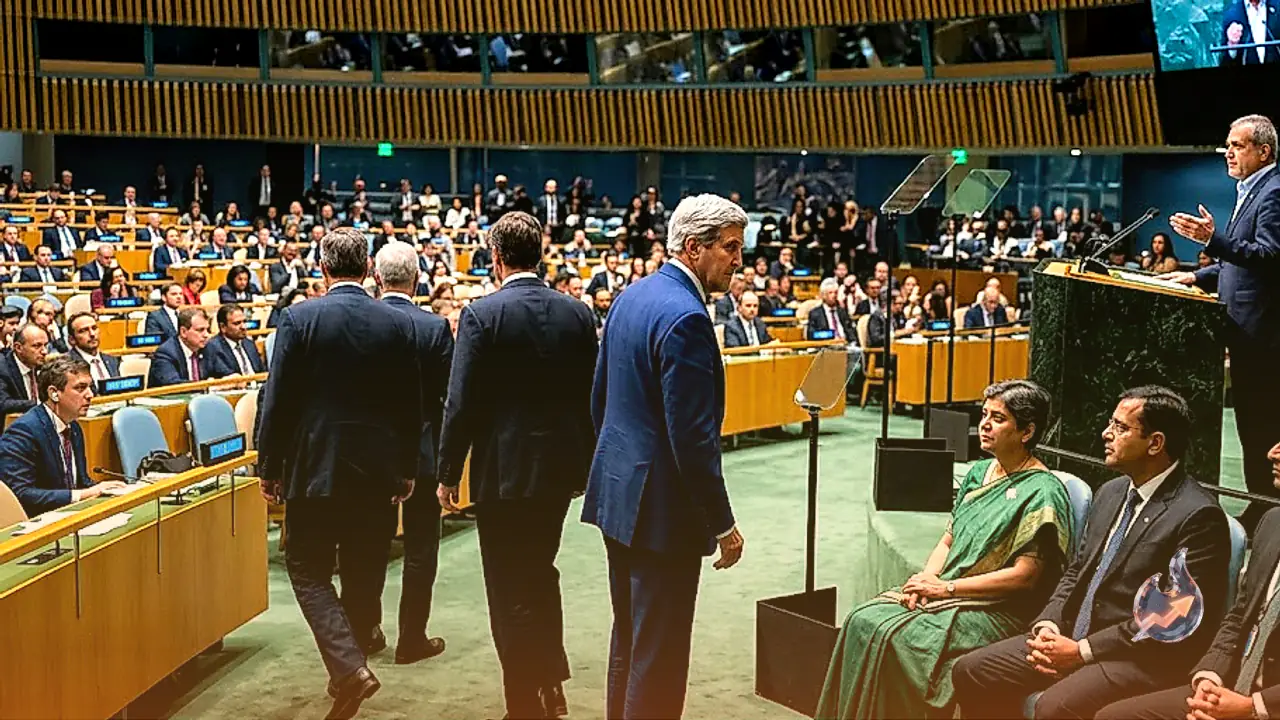

Diplomatic frictions reached a boiling point at the United Nations General Assembly in New York when Iranian President Masoud Pezeshkian took the podium. As the Iranian leader launched an unsparing critique against Western military actions and rhetoric, the United States delegation abruptly exited the hall. The high-profile walkout laid bare the intense discord between the two nations, drawing global scrutiny toward how other key delegations, particularly India, responded to the spectacle.
Sharpening Rhetoric Against Washington
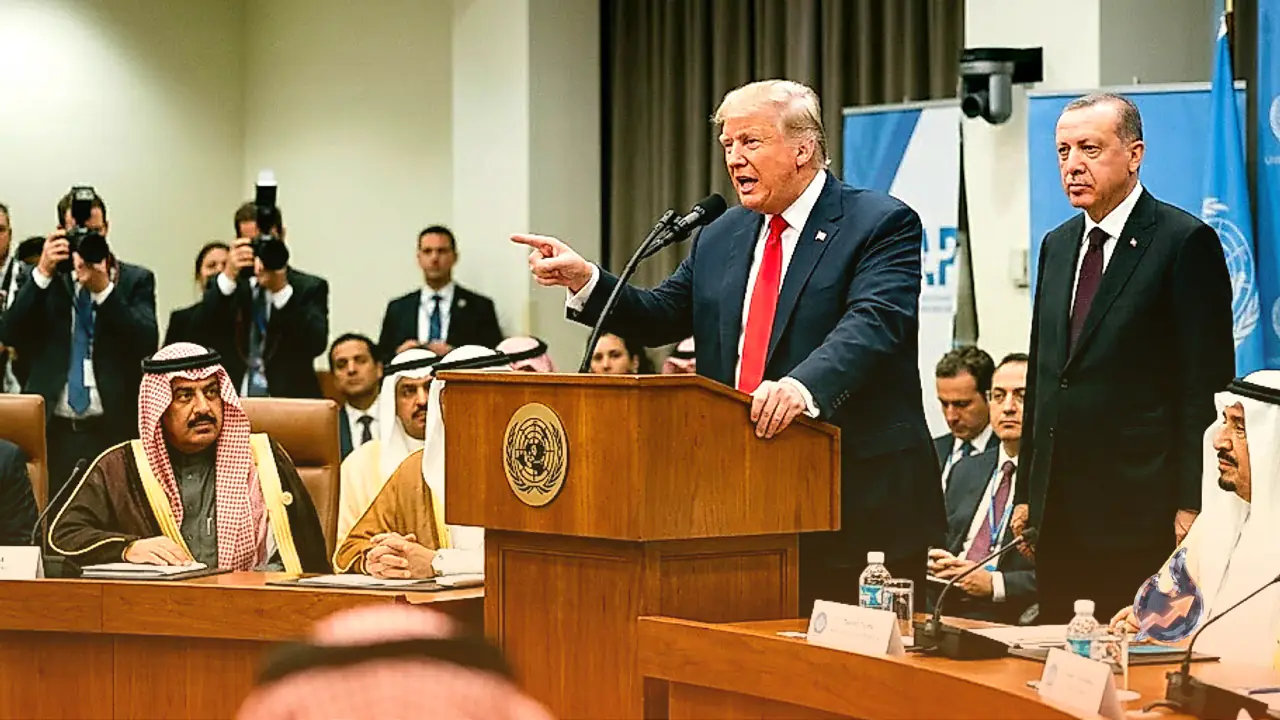
Pezeshkian utilized his time at the global rostrum to counter earlier warnings issued by US President Donald Trump, who had publicly threatened Iran with destruction. Pushing back against accusations of state-sponsored militancy, the Iranian president maintained that his nation has continually been on the receiving end of violent aggression rather than being its perpetrator. He asserted that modern armaments supplied by the United States and Israel had devastated residential quarters, medical centers, schools, and academic institutions, claiming the lives of innocent youngsters.
Addressing past confrontations, Pezeshkian condemned the targeted killing of Iran's supreme leadership, noting that such acts were executed entirely outside established legal frameworks. Despite facing persistent strikes, he emphasized that his country refused to capitulate. Describing Tehran's defense network as entirely capable and self-reliant, he asserted that Iran requires no foreign authorization to protect its national territory and citizenry.
The American Departure from the Floor
The turning point in the assembly hall arrived when Pezeshkian explicitly challenged the military operations and modern arms supplies directed against Iranian infrastructure. In direct protest, the American diplomatic team rose from their designated seats and made a visible exit from the chamber. The demonstration underscored the severe impasse currently gripping US-Iranian relations, though Pezeshkian continued his address undeterred, insisting that Iranian forces have never singled out non-combatants despite strikes hitting their universities and clinics.
A clip shared on X captured the precise moment the American envoy strode out of the hall as the Iranian president defended his government's stance before the assembly.
India's Measured Diplomatic Presence
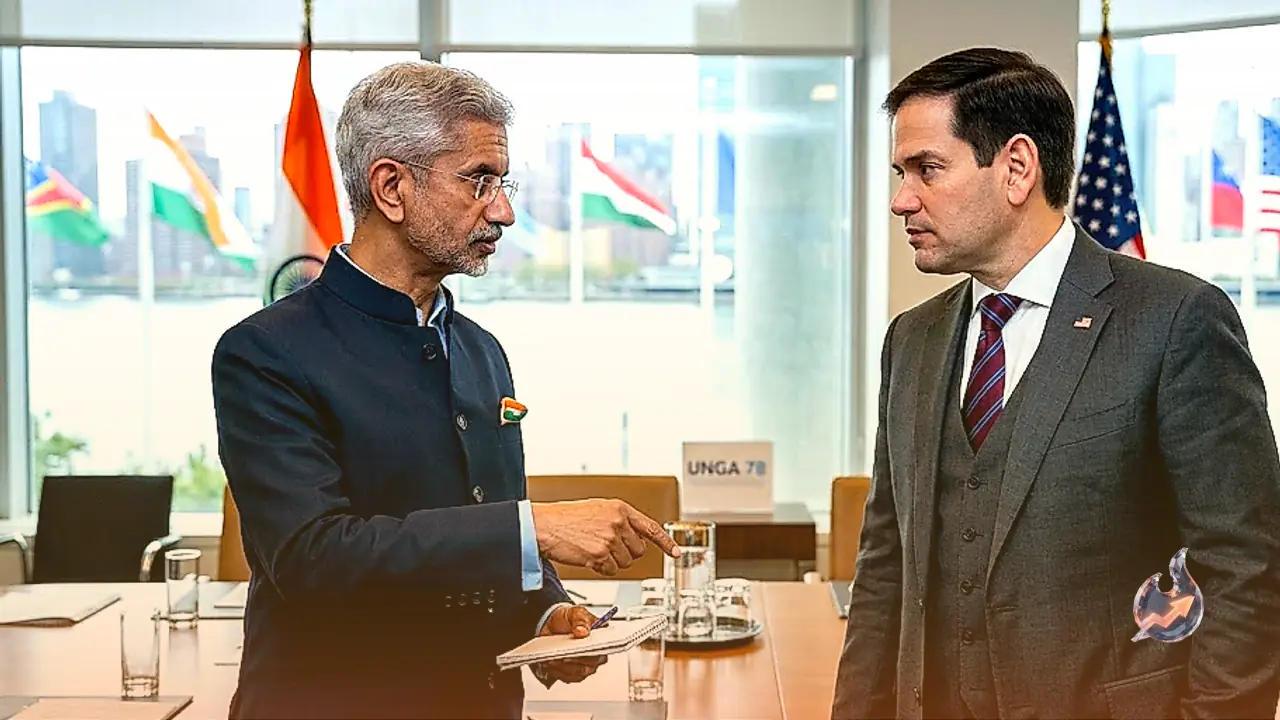
Amid the friction unfolding across the aisle, the Indian delegation maintained a poised, deliberate posture. Resisting any urge to join the boycott or engage in diplomatic theater, the representatives from New Delhi stayed firmly in their seats throughout the proceedings. They observed the entire discourse with measured restraint.
This steadfast presence reflected India's enduring foreign policy ethos, which consistently emphasizes direct communication, non-alignment, and de-escalation over public estrangement. By choosing to stay and listen attentively rather than yielding to external pressures or dramatic gestures, Indian envoys once again demonstrated the country's commitment to strategic autonomy on the international stage.