





















A high-stakes diplomatic confrontation at the United Nations Security Council has resulted in a decisive deadlock over the enforcement of multilateral restrictions on Iran. A draft resolution sponsored by the United States, which sought a one-year extension for the mandate of the independent panel of experts charged with monitoring international sanctions compliance against Tehran, failed to secure adoption. Although the measure garnered eleven votes in favour across the fifteen-member council, with two delegations including Pakistan choosing to abstain, the proceedings were brought to an immediate halt by the negative votes cast by Russia and China. Exercising their permanent veto powers, the two nations effectively dismantled the institutional mechanism that has long provided technical oversight on the movement of sensitive materials and military hardware connected to Iran.
Dissolution of the Independent Technical Oversight Body
The dual veto guarantees that the mandate of the expert monitoring group will expire, bringing an end to its investigative capabilities under Security Council auspices. For years, this panel operated as an objective analytical body, tracking illicit trade networks, conventional weapons proliferation, and prohibited military transfers before presenting empirical findings directly to council members. Without this established structure, the global community loses a primary neutral instrument designed to verify alleged infractions on the ground. Envoys representing Western capitals argued vigorously that stripping the international architecture of this oversight capability severely degrades collective efforts to enforce council decisions during periods of heightened geopolitical instability. In sharp contrast, Moscow and Beijing defended their stance by arguing that the mechanism had become heavily politicised, maintaining that an exclusive focus on punitive inspection frameworks obstructs genuine avenues toward comprehensive diplomatic engagement.
Immediate Relief for Tehran Alongside Fresh Western Hurdles
The collapse of the resolution delivers a tangible diplomatic reprieve to Iranian authorities, who have continuously contested the legitimacy of international sanctions mechanisms and the inspections tied to them. However, the abrupt termination of the panel presents Western nations with immediate operational challenges. Governments seeking to sustain strategic pressure on Tehran must now identify alternative avenues to track its defence procurement and industrial activities outside the conventional framework of United Nations monitoring. While Washington's legislative initiative inside the Security Council chamber has reached an impasse, underlying friction across the region remains entirely unresolved, shifting the contest toward unilateral measures and fragmented intelligence sharing.
Findings on Civilian Fatalities Across Southern Iran
Parallel to the diplomatic confrontation in New York, findings published by United Nations human rights investigators have intensified scrutiny surrounding recent kinetic actions inside Iranian territory. The inquiry concluded that there are reasonable grounds to indicate war crimes were committed in connection with two specific military strikes, which collectively caused more than 150 civilian deaths, including roughly 120 children. According to the investigative team, a primary school in the southern Iranian settlement of Minab was struck by Tomahawk cruise missiles on 28 February. Local administrative figures recorded at least 156 fatalities in that incident alone, among whom were approximately 120 children. Independent experts noted that the educational facility was visibly identifiable as a civilian structure, adding that no evidence emerged to suggest it was being utilised for military operations.
The Lamerd Incident and Broader Accountability Demands
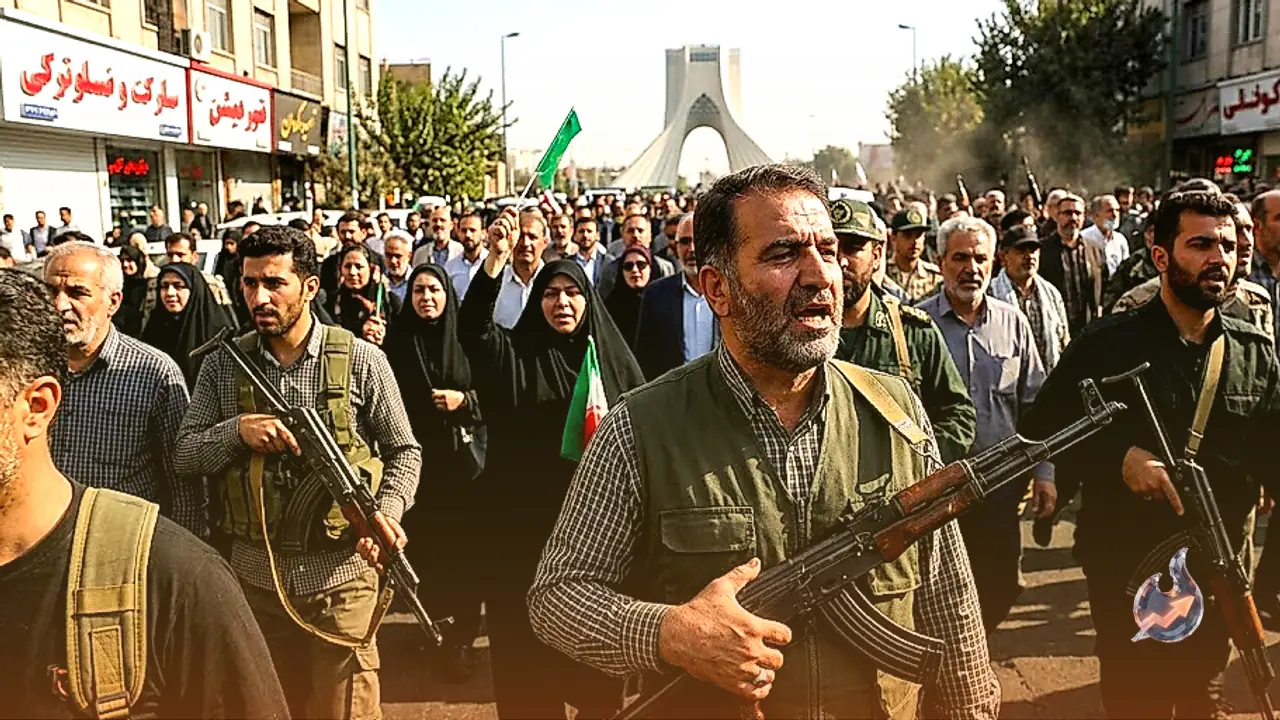
The investigative report detailed a second deadly episode in Lamerd, where kinetic strikes hit a sports complex and adjacent residential dwellings, resulting in the documented deaths of at least 21 civilians, including seven children. Officials in Washington have categorically rejected any involvement in that specific operation. The United Nations inquiry also examined internal state actions carried out by Iranian security personnel during large-scale civil demonstrations that unfolded between December 2025 and January 2026. Experts warned that several severe abuses committed during that domestic crackdown could constitute crimes against humanity, documenting at least 221 children killed alongside thousands of arbitrary detentions. Consequently, the independent human rights mandate holders urged both Washington and Tehran to halt ongoing violations immediately, ensure substantial restitution for affected non-combatants, and grant full cooperation to transparent international investigations.