


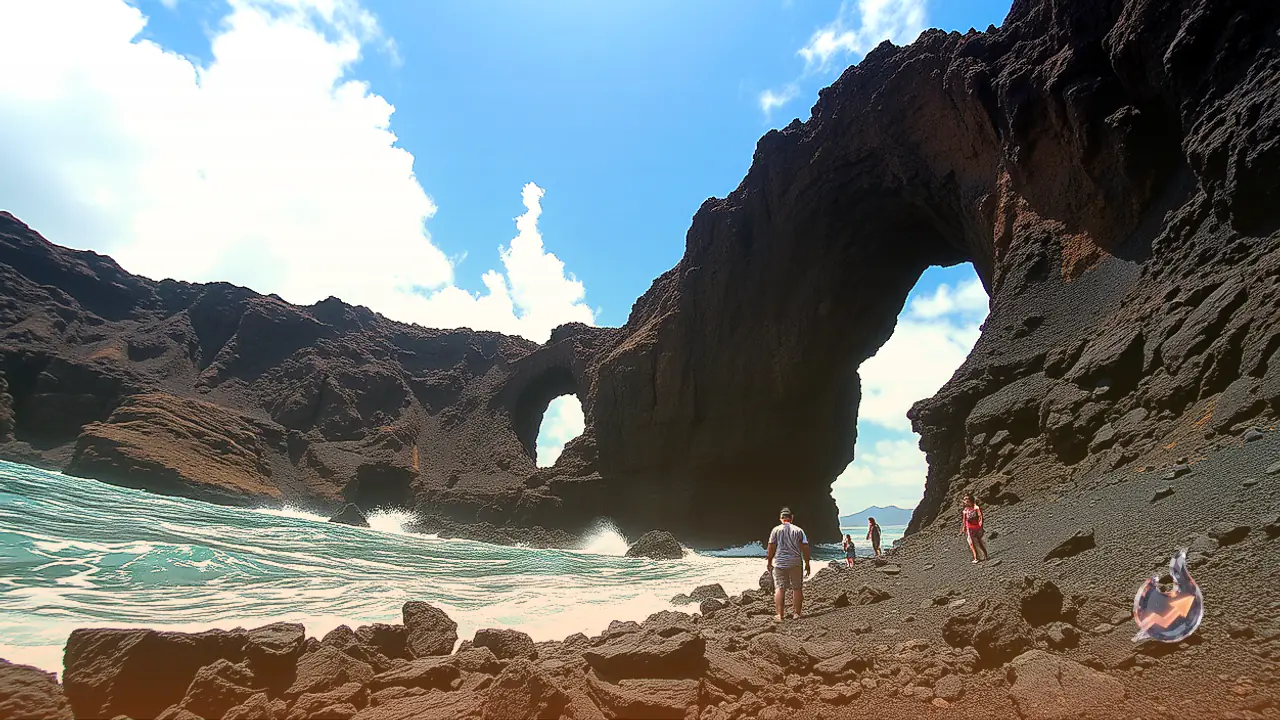



















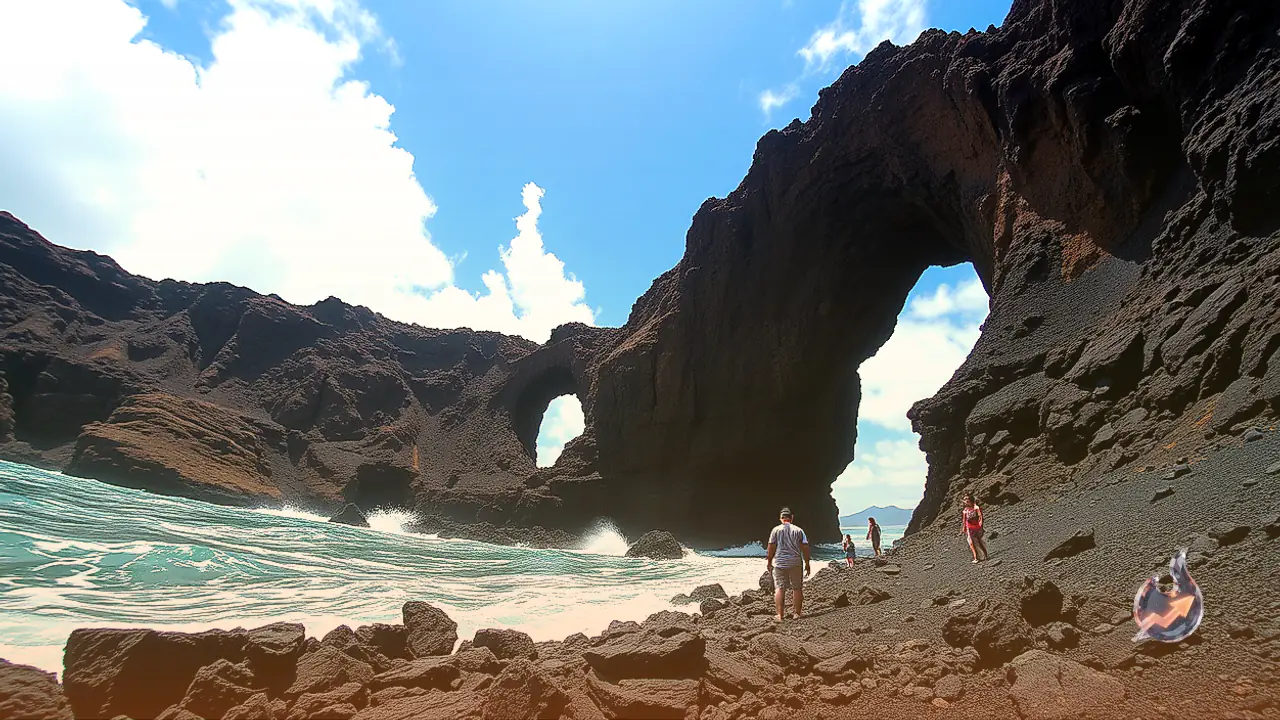

A defining natural landmark on the rugged coastline of Hawaii Volcanoes National Park has vanished into the Pacific Ocean following severe storm surges. Rising roughly 90 feet above the water, the historic Holei Sea Arch gave way under the relentless battering of gale-force winds and giant waves. For generations of visitors and landscape photographers visiting the Big Island, the ancient formation had stood as an iconic destination along the coast.
Park inspection confirms the sudden loss
Records maintained by park authorities show that the massive volcanic arch was still completely intact on September 23. Conditions deteriorated rapidly across the region with the arrival of Tropical Storm Nolo. To protect the public from hazardous coastal weather, the National Park Service temporarily barred visitors from entering the park grounds. When maintenance and ranger teams returned on September 27 to assess storm impact, they discovered that the familiar landmark had vanished, leaving behind only crashing waves. Because the surrounding recreation zones were closed throughout the foul weather, no visitors were nearby when the structure collapsed.
How volcanic forces shaped the ancient structure
The distinctive formation was not created by human hands but was sculpted by natural elements over hundreds of years. Approximately 550 years ago, molten lava flowing from Kilauea volcano met the cold waters of the Pacific Ocean, hardening into an expansive shelf of dark basalt. Over subsequent centuries, relentless ocean currents pounded against the solidified rock face. Water gradually excavated the softer portions beneath the surface to form a sea cave, eventually carving clean through the basalt to leave a hollowed-out arch. Positioned at the terminus of Chain of Craters Road, the dramatic structure became a highlight of the island.
Underlying damage and years of gradual weakening
Geological evaluations point out that the sea arch did not collapse merely from an isolated storm event. Instead, structural stability had been degrading steadily due to a series of environmental pressures. A catastrophic eruptive event at Kilauea in 2018 triggered a dramatic caldera collapse at the summit, unleashing intense regional earthquakes. These underground tremors sent violent shockwaves through the coastal basalt, fracturing the delicate foundation that supported the arch.
Monitoring fissures and the final collapse
Signs of mounting instability became even more apparent in January 2020, when routine inspections detected fresh, deep cracks developing across the stone span. Park leadership acted immediately to rope off the primary observation platform and established an alternative viewing perimeter farther away from the precipice. Later that same year, severe coastal storms undermined the base even further. The National Park Service issued formal advisories in 2021 warning that the arch was inherently temporary and could collapse into the sea at any moment. Ultimately, the punishing surf generated by Tropical Storm Nolo in 2026 struck the compromised foundation, dropping the 550-year-old formation into the depths.