



















US President Donald Trump has ordered a new federal investigation into intelligence officials he accuses of deliberately hiding evidence that China interfered in the 2020 presidential election, a fresh allegation that has sent ripples through Washington and drawn attention in Beijing as well.
Trump accuses "deep state" officials of a cover-up
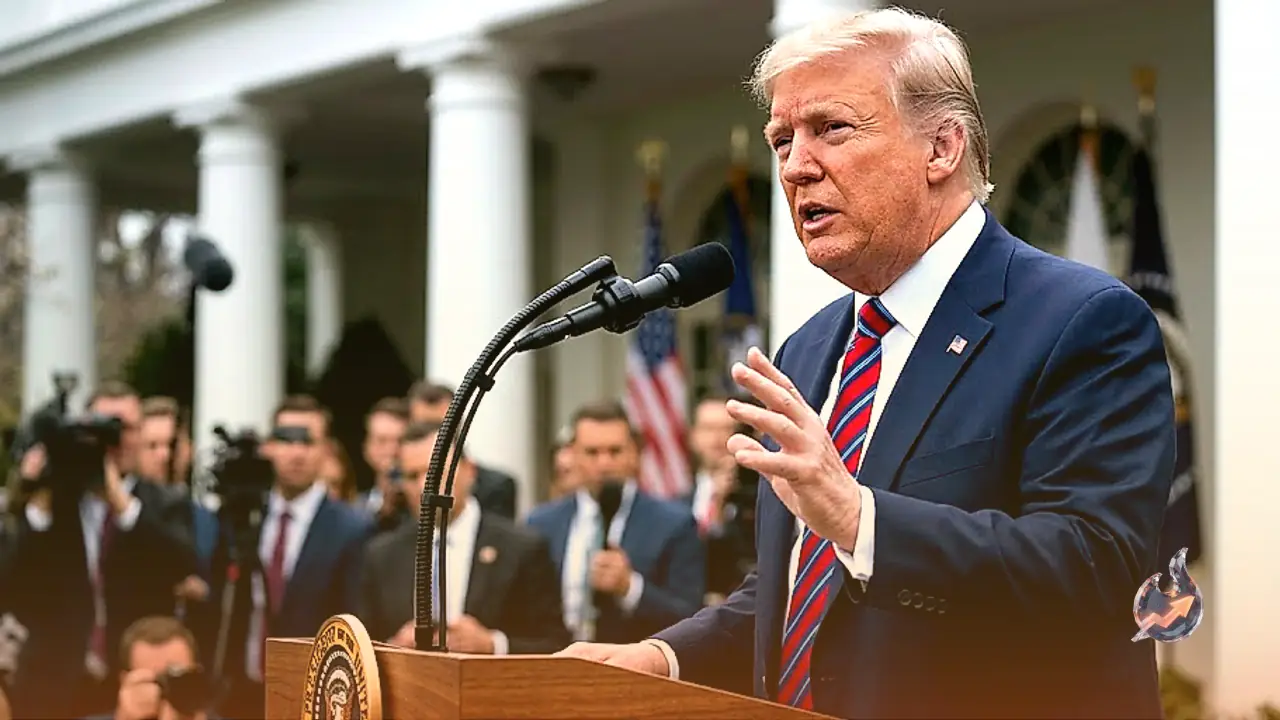
Speaking on Thursday during an address on the integrity of American elections, Trump said newly released documents show that members of what he called the "deep state" inside US intelligence agencies actively suppressed and downplayed information about the true scale of China's alleged interference in the 2020 election. He said this information was withheld from both the sitting president and the American public, meaning that neither the country's leadership nor ordinary voters were told what intelligence officials reportedly already knew about foreign interference in their own election.
Claim: China accessed voter data in 18 states
Trump alleged that as early as 2020, US intelligence agencies already knew China had bought, stolen or hacked the personal data of tens of millions of voters spread across 18 American states. Despite holding this information, he said, those same agencies never briefed him as president, nor did they alert Congress. Instead, he claimed, officials simply kept repeating that the 2020 presidential election was "the most secure election" in the country's history, even as they allegedly sat on evidence suggesting foreign tampering with voter data.
China accused of backing Trump's political opponents
Citing a CIA report, Trump claimed the Chinese Communist Party worked with his political opponents and tried to influence the outcome of both the 2018 US midterm elections and the 2020 presidential race. He did not go into further detail on how this alleged backing was carried out, but framed it as part of a broader pattern of Chinese interference in American democracy across several election cycles.
Allegation of payments offered to journalists
Trump also alleged that the Chinese government tried to influence American business leaders and journalists directly. According to him, the documents indicate that Chinese officials wanted to identify specific American journalists who had written unfavourable stories about him, and then attempted to pay them large sums of money to write further negative coverage of the American president. Trump presented this as evidence of a coordinated effort to shape American public opinion against him using financial incentives rather than open debate.
Four federal agencies told to investigate
Announcing his response, Trump said he has directed the Office of the Director of National Intelligence, the FBI, the CIA and the Department of Justice to investigate the alleged concealment of intelligence connected to China's election interference. The order effectively puts the country's top intelligence and law enforcement bodies in the position of examining their own past conduct and that of their predecessors.
Separate claim of 220 million stolen voter files
According to information released on the White House's official website, the administration separately alleges that China illegally obtained the files of 220 million American voters during the 2020 presidential election. Officials described this as the largest breach of election data on record. These documents were made public as part of the White House's broader election integrity initiative, which has been releasing declassified material related to the 2020 vote.
Why the claims matter
Taken together, the allegations revive one of the most contentious debates in recent American politics: whether foreign actors meaningfully influenced the 2020 election, and whether intelligence agencies were transparent with the public about what they knew at the time. By ordering the Office of the Director of National Intelligence, the FBI, the CIA and the Department of Justice to investigate, Trump has set in motion a process that could produce further declassified documents and public testimony in the months ahead, keeping the 2020 election dispute firmly in the news well into his current term.