






















International travelers planning visits to the United States face significant regulatory shifts as the US State Department officially converted its temporary pilot Visa Bond Program into a permanent legal framework. Under this updated mandate, select foreign nationals seeking entry may be required to post substantial monetary security bonds before securing their travel permits. Scheduled to take full effect on August 3, this permanent policy directly targets individuals traveling for commercial activities or leisure purposes.
Affected Countries and Target Visa Classifications
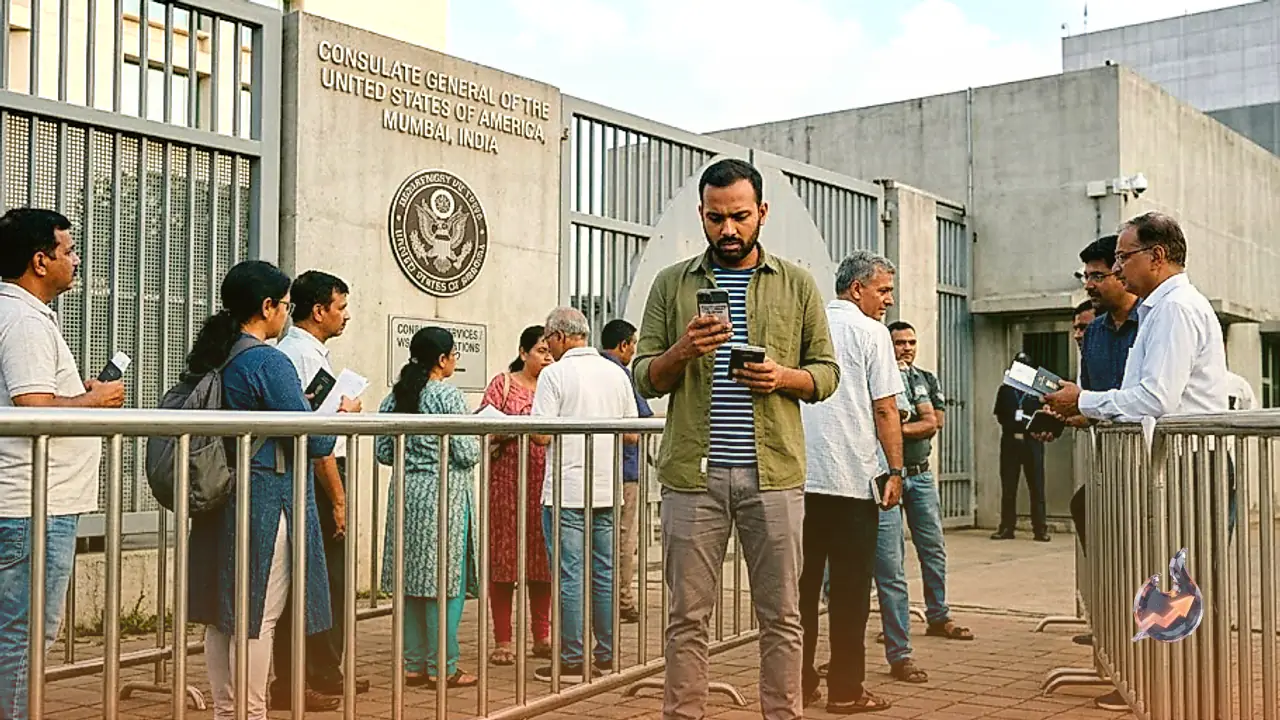
According to official directives issued by the US government, the permanent requirement currently encompasses citizens from 50 designated nations. The majority of countries included in this registry are located across Africa, though South Asian neighbors such as Bangladesh, Nepal, and Bhutan have also been named. Crucially for Indian travelers, India is not included on the initial 50 country list, meaning Indian passport holders remain exempt from posting these mandatory financial guarantees for now.
The financial requirement primarily focuses on applicants requesting B-1 non-immigrant visas for business travel and B-2 visas intended for tourism. Consular officers evaluating applications have been granted discretionary authority to determine whether an individual candidate must furnish the deposit. Consequently, the bond requirement will not be imposed universally on every applicant from the listed countries, but will instead depend on the individual risk assessment conducted during consular interviews.
Key Modifications to Financial Tiers and Deposit Limits
During the program's initial one year trial phase, consular authorities could request financial collateral structured across three specific tiers: $5,000, $10,000, or $15,000. Under the newly finalized permanent rules, the lowest deposit option of $5,000 has been eliminated entirely. Furthermore, the upper threshold has been raised to $20,000, which equates to roughly 1.9 million Indian rupees (19 lakh INR). Under the revamped structure, designated applicants will now be required to post deposits ranging between $10,000 and $20,000.
Government Justification and Prospective Scope
Defending the permanent implementation, US State Department officials cited evaluations from the year-long trial indicating that monetary bonds significantly improve compliance with visa duration limits. The financial stake encourages visitors to adhere strictly to authorized stay conditions and depart the United States prior to visa expiration, thereby mitigating long-standing overstay concerns. Additionally, federal authorities indicated that the designated country list remains subject to periodic review, hinting that additional nations could be added to the restriction list in the future.
Human Rights Concerns and Broader Immigration Critique
The institutionalization of the visa bond policy has drawn immediate pushback from immigration advocates and human rights organizations. Critics contend that requiring upfront financial collateral of up to $20,000 places an unreasonable economic burden on travelers, effectively creating an impassable barrier for legitimate visitors. Opponents attribute the move to the broader restrictive immigration agenda under President Donald Trump, arguing that measures such as elevated visa fees, mandatory social media vetting, and increasingly stringent compliance requirements are placing undue strain on legal travelers attempting to enter the country.