





















A major legislative development in Washington has injected severe uncertainty into global commerce and India's export outlook. The United States Senate has overwhelmingly advanced a stringent sanctions bill aimed at intensifying economic pressure on Russia. The passage of this measure opens the door for punitive import duties of up to 100 percent on Indian goods entering American markets. This critical move comes precisely while officials in New Delhi and Washington are actively negotiating a comprehensive bilateral trade agreement.
Senate Approves Strict Measures to Target Russian Energy Sales
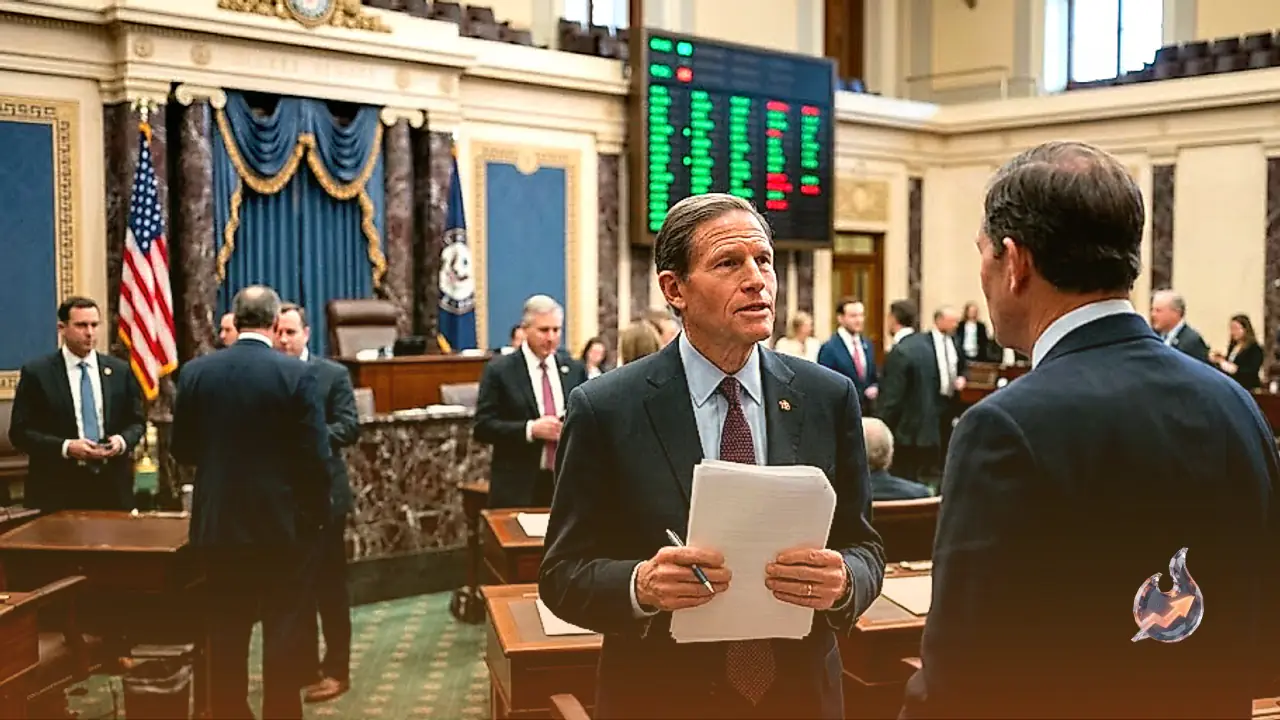
The upper house of the United States Congress voted on Tuesday local time (Wednesday morning in India) to move the punitive legislation forward. Lawmakers approved the procedural motion by a decisive 86 to 12 margin, demonstrating robust cross-party support. The bill was originally drafted by the late United States Senator Lindsey Graham. Significantly, the high-profile vote unfolded just as Ukrainian President Volodymyr Zelenskyy arrived at the Capitol complex to hold discussions with lawmakers. The core objective of the legislation is to restrict Russia's energy revenues by empowering the executive branch with unprecedented tariff capabilities.
Executive Power for President Donald Trump to Levy 100 Percent Tariffs
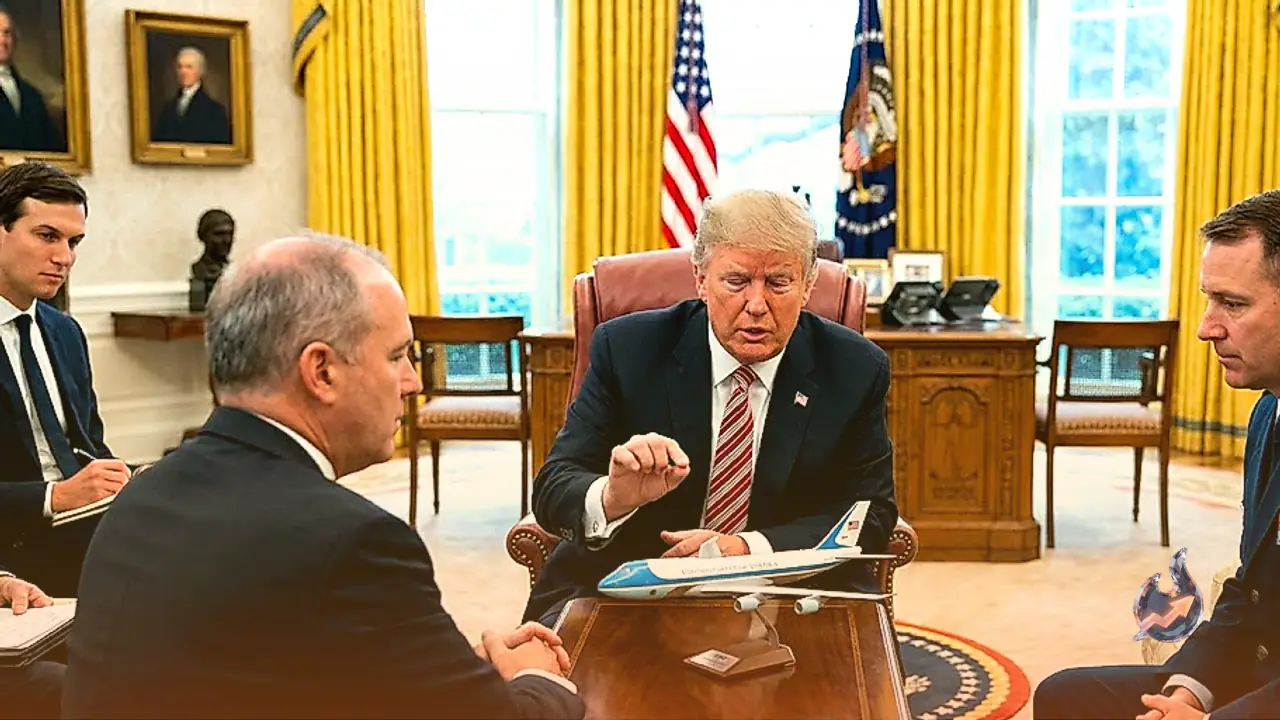
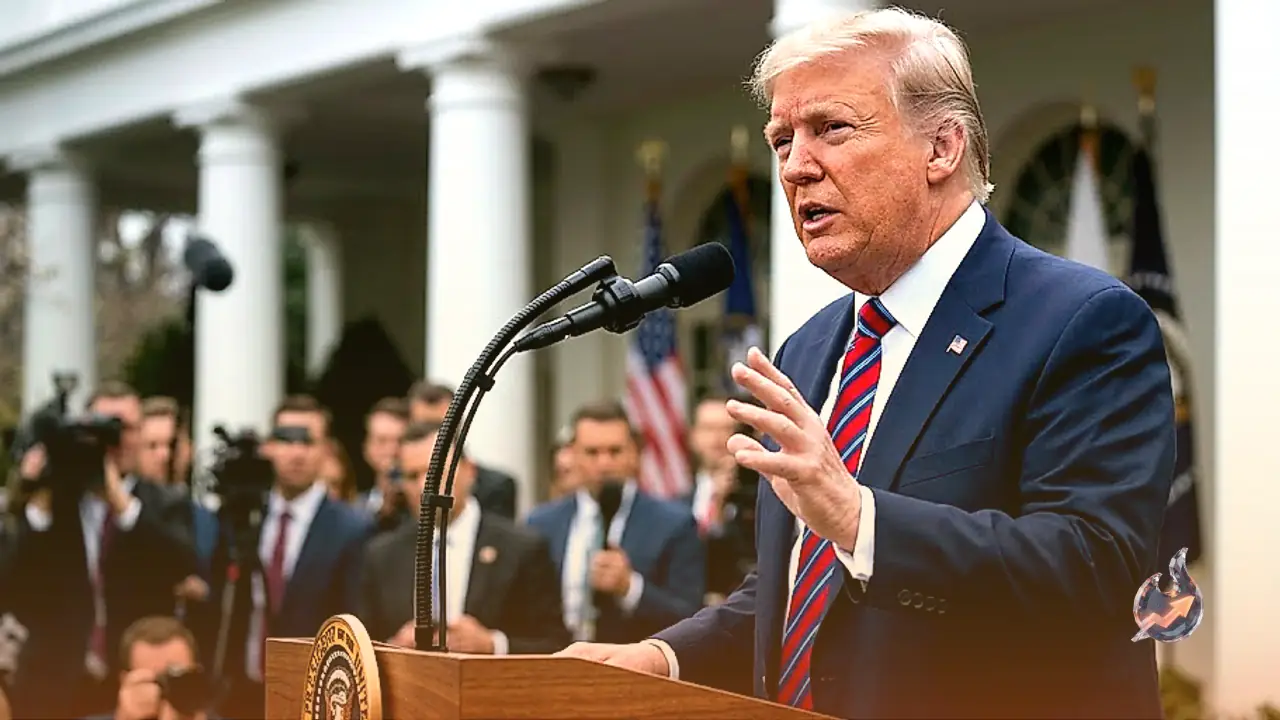
Once fully enacted into law, the sanctions framework will grant President Donald Trump explicit legal authority to penalize foreign nations that continue to purchase substantial volumes of crude oil and natural gas from Moscow. Under the terms of the legislation, President Donald Trump can enforce tariffs reaching up to 100 percent on products originating from these buyer nations. Economic analysts note that such heavy levies would significantly alter international trade flows and escalate commercial disputes worldwide.
Five Importer Nations Including India and China Under Threat
The potential fallout from this legislative action exposes five countries to serious trade vulnerabilities. India and China, both of which have maintained substantial purchases of Russian energy supplies, stand out as the primary targets of the proposed duties. If Washington exercises these tariff powers, Indian exporters across multiple manufacturing sectors could face severe pricing disadvantages, threatening billions of dollars in foreign trade and disrupting established global supply networks.
Strained Bilateral Relations and Trade Agreement Negotiations
The timing of this legislative push is particularly sensitive for diplomatic ties between the two democracies. Negotiators from India and the United States have been engaged in prolonged talks to resolve tariff disagreements and finalize a major trade pact. Bilateral relations have already experienced periods of friction over commercial tariffs and geopolitical alignment. Experts warn that transforming this sanctions bill into active federal law could derail ongoing trade negotiations and create deeper diplomatic rifts between New Delhi and Washington.