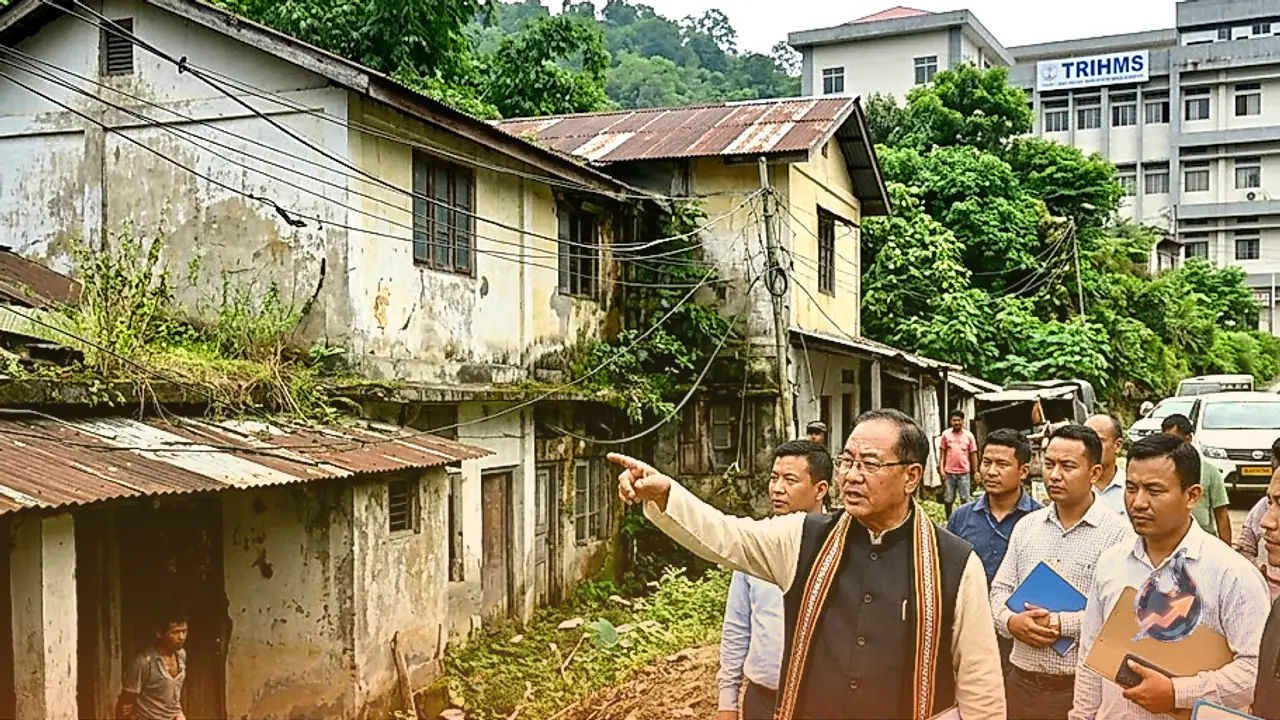



















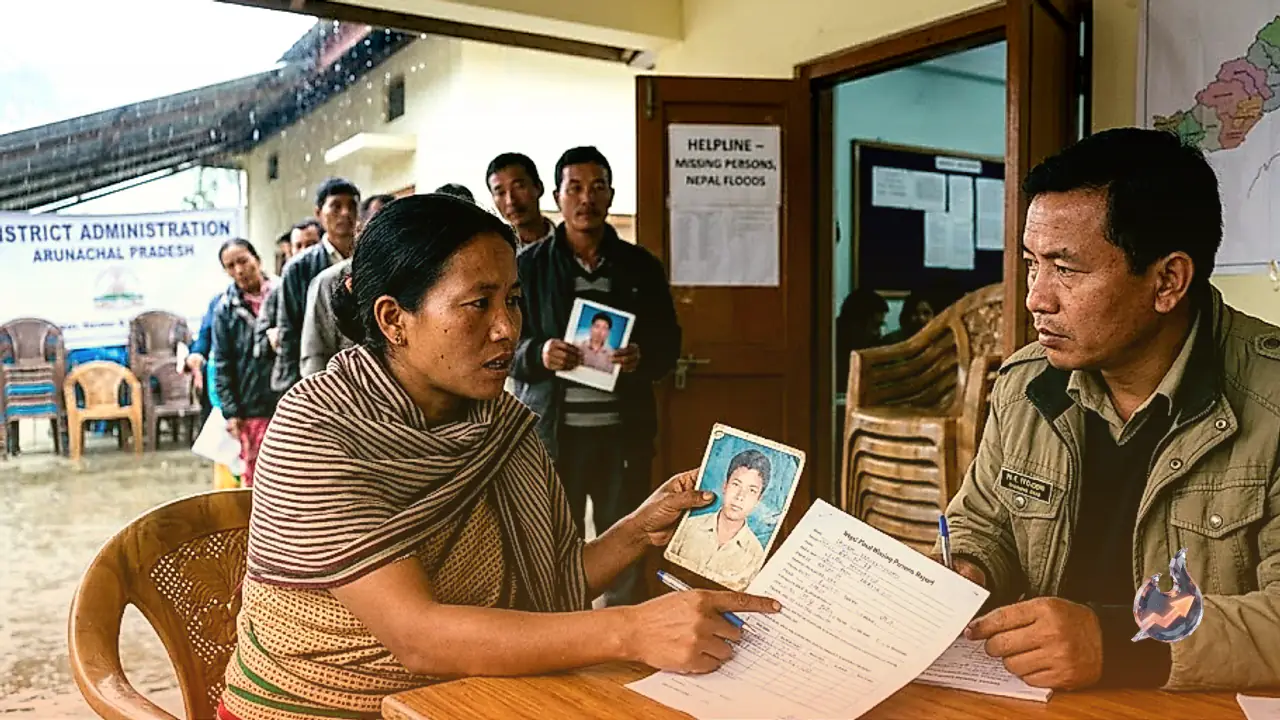

The Arunachal Pradesh administration has launched a state-wide exercise to identify and locate residents who may have gone missing in Nepal following catastrophe-level flash floods. State authorities have issued formal instructions to all deputy commissioners across districts to gather comprehensive information regarding individuals who recently traveled to Nepal and have since lost contact with their families.
District Administration Mobilized Following NDMA Directive
This administrative directive was issued following an urgent request from the National Disaster Management Authority (NDMA). The central agency requested detailed data on individuals from Arunachal Pradesh whose family members have been unable to establish communication with them since the natural disaster struck. Under the guidance of the Department of Disaster Management, deputy commissioners are collecting names, home addresses, and primary contact details of the missing residents. Once compiled, this critical dataset will be forwarded to central and international emergency response authorities to expedite search, rescue, and family reconciliation efforts.
Glacial Collapse Triggers Massive Himalayan Catastrophe
The sudden crisis originated along the rugged Himalayan border region separating Nepal and Tibet. A massive structural collapse involving heavy ice, rock formations, and mountain debris triggered destructive flash floods that swept down river valleys on Wednesday. The sheer force of the surging water and mud destroyed entire villages, washed away residential structures, severely damaged highway networks, and severed vital bridge connections across the region.
Heavy Casualties Reported Among Pilgrims and Trekkers
The human toll from the disaster continues to climb rapidly. Official counts indicate that more than 469 people have lost their lives, while nearly 1,500 individuals remain unaccounted for across the flood-ravaged zones. Among those reported missing are numerous foreign tourists and high-altitude trekkers visiting Nepal's mountain routes, as well as a large contingent of Hindu pilgrims who were traveling toward Tibet to undertake the sacred pilgrimage to Mount Kailash.