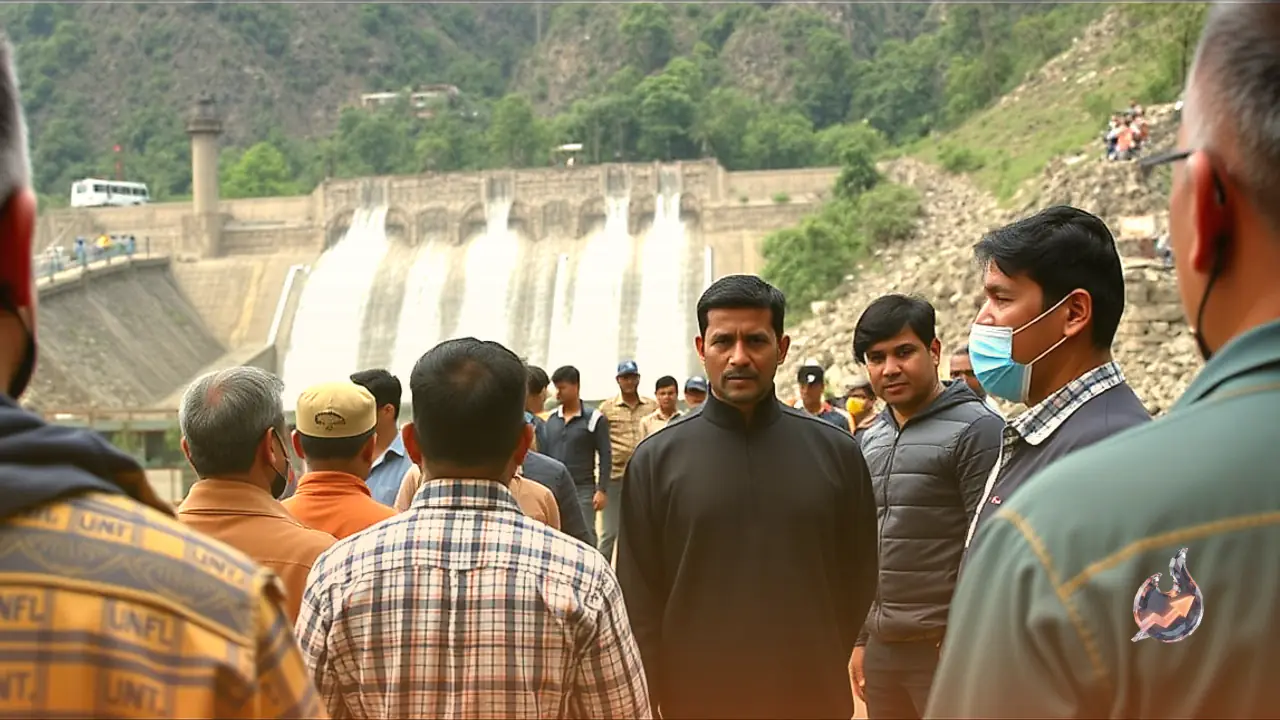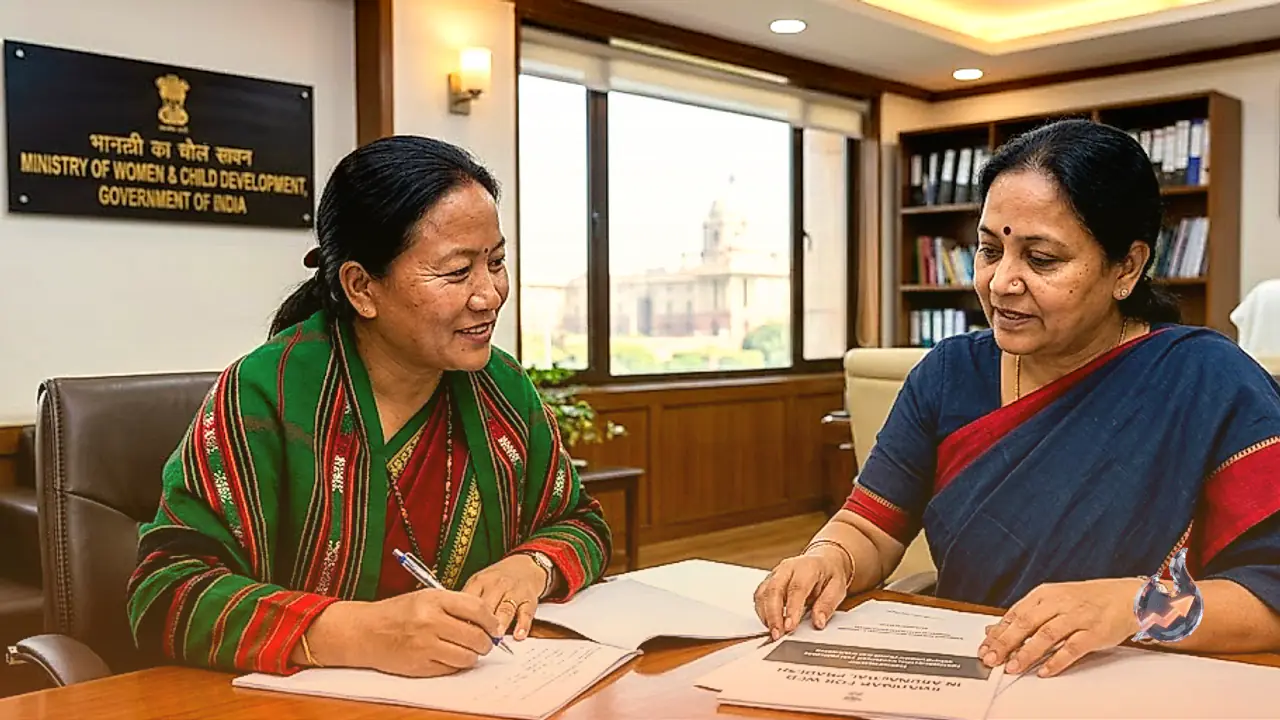


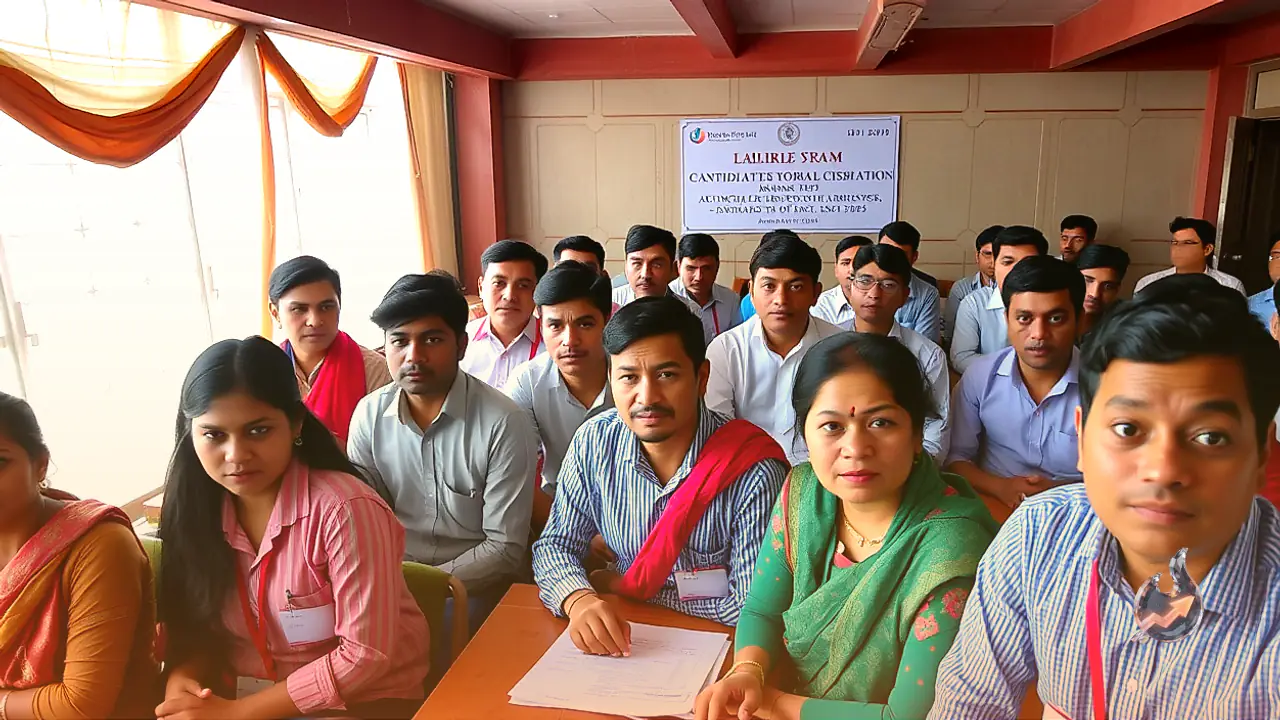
















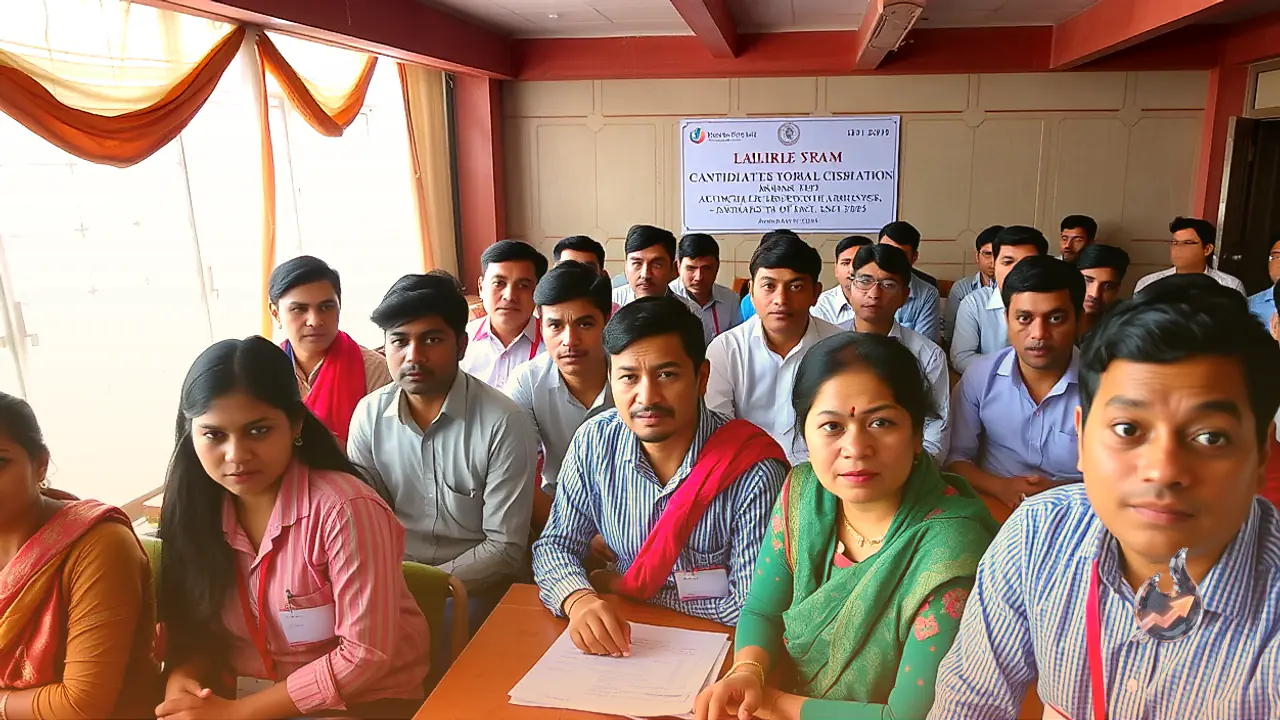

A total of 5,836 job aspirants have secured recommendations for public sector appointments across Arunachal Pradesh following 38 competitive examinations held since 2019. Chief Minister Pema Khandu made the official announcement on Friday through a video address and an update shared on social media, detailing the administrative milestones achieved by the state recruitment machinery over the past seven years.
Building a Systematic and Merit-Driven Framework
The state government established the Arunachal Pradesh Staff Selection Board (APSSB) in 2018 with a specific mandate to build an objective and systematic recruitment structure for Group C and Group D positions. The primary objective behind setting up this autonomous body was to guarantee equal access to public employment for qualified young citizens while eliminating discretionary practices in favor of strict merit. According to the chief minister, public sector recruitment carries profound weight for candidates and their households, standing as an avenue that directly shapes the life goals and hopes of thousands of local youths beyond mere paperwork and vacancies.
Highlighting the progress in a message posted on X, Khandu pointed out that the 38 examinations conducted between 2019 and September 2026 reflect an unyielding focus on fairness, openness, and performance-based selection, reinforcing public faith in regional governance.
Institutional Reforms Post 2020 Controversy
Addressing past hurdles, Khandu referenced the cash-for-job scandal that surfaced in 2020, terming it an intensely difficult period for young job seekers across the state. Rather than allowing the setback to derail recruitment drives, the administration used the crisis as an urgent imperative to redesign procedures, making the entire hiring chain significantly more robust, transparent, and legally accountable.
Following those corrective interventions, the board diversified its screening methodology to manage a wide variety of state tests. The current portfolio covers the Combined Limited Departmental Competitive Examination, the Common Graduate Level Examination, the Non-Ministerial Technical Examination, alongside the Common Higher Secondary Level and Secondary Level Examinations. These standardized tiers have enabled the government to systematically staff both operational and technical cadres across administrative departments.
Quality Benchmarks and Process Standardisation
To reinforce procedural discipline and verify that recruitment protocols match modern governance expectations, the board successfully secured ISO certification for its operational systems. This certification attests to the implementation of standardized protocols, strict candidate screening measures, and procedural consistency throughout all phases of evaluation. Khandu reiterated that the administration remains dedicated to maintaining an even playing field for every candidate, ensuring that integrity and merit remain the sole criteria for entering the state civil service.