


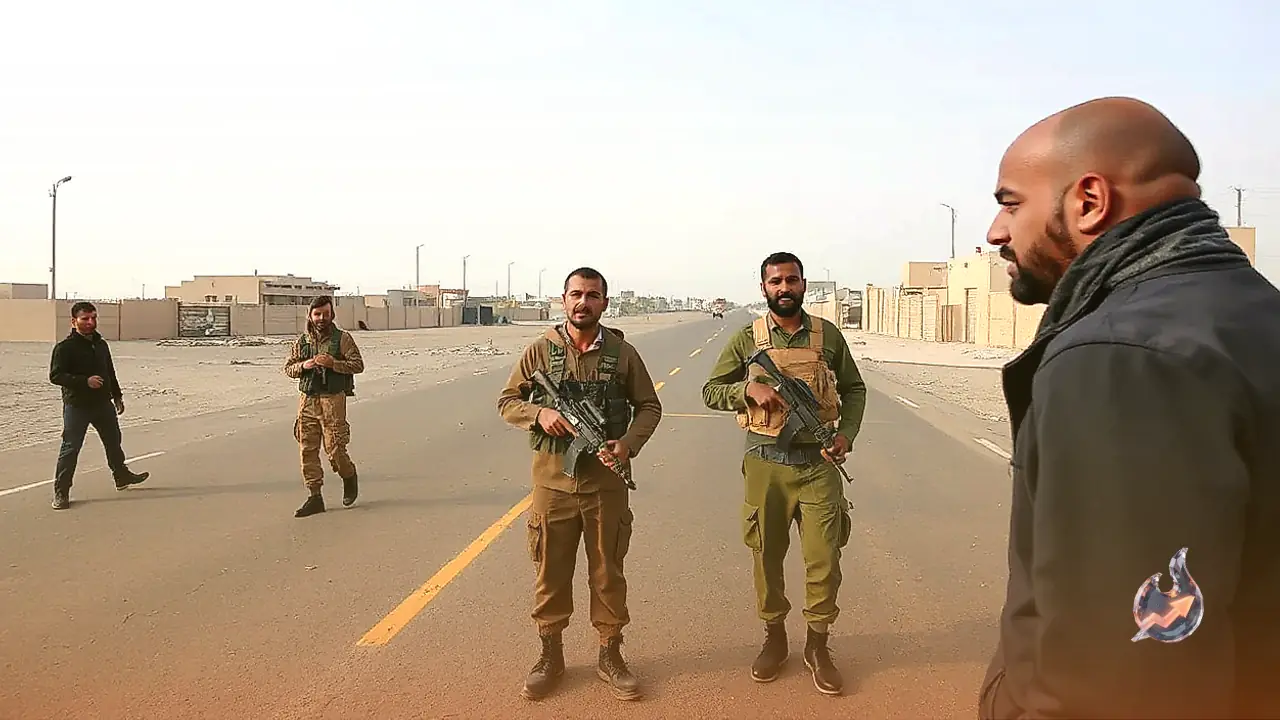















The security dynamic along the Line of Actual Control near Arunachal Pradesh has entered a tense phase following a series of direct confrontations between Indian and Chinese military personnel. Shatrujeet Kapoor, Director General of the Indo-Tibetan Border Police, revealed that multiple face-off incidents have occurred across various strategic points along the frontier over recent weeks. According to official remarks, these friction points are not isolated to a single sector but span across several sensitive locations where troops have locked horns.
Disclosures Made At Annual Himveer Event
Speaking on October 22 at the Himveer Samman Samaroh held at the Central Training College in Alwar, Rajasthan, Kapoor detailed the active engagement of force commandos in managing the ongoing friction along the Arunachal frontier. He highlighted the stellar performance of the newly raised Shaurya Commandos during these operational challenges. Tracing the mandate of the force, Kapoor noted that the unit was originally conceived as a mountain guerrilla force before being entrusted with the security of the border with China in the year 2004.
Expansion Of High Altitude Special Force
Elaborating on the strategic readiness of the force, Kapoor emphasized that the personnel do not need to deviate from their core operational competence. He stated that the leadership is actively building a specialized combat unit distinct from the regular army, tailored specifically for high-altitude warfare. A complete battalion of Shaurya Commandos will soon be operational, leveraging the inherent advantage of high-altitude deployment. These revelations come in the wake of persistent local reports indicating numerous skirmishes in Arunachal Pradesh since July.
Local Claims And Political Fallout
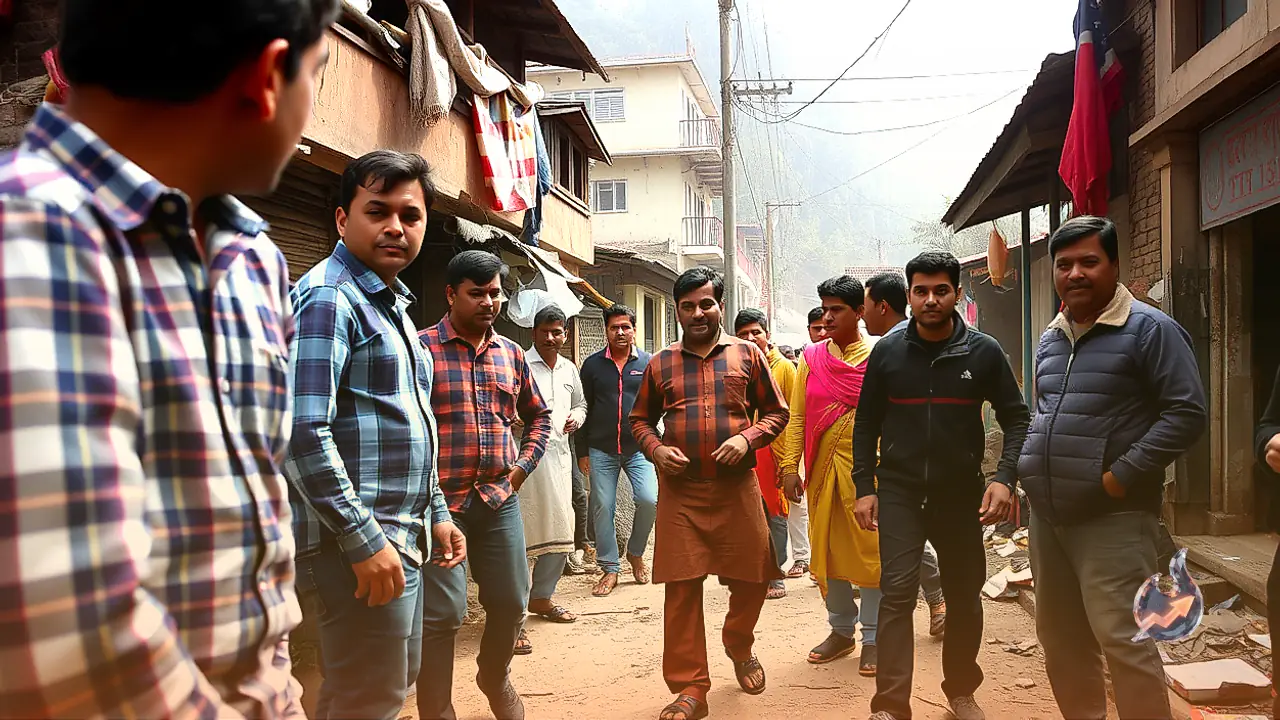
Local residents near the border sectors have maintained that face-off situations have recurred at multiple locations over the past few months. Reports suggest that these tensions persisted even during Chinese President Xi Jinping's visit to India in September for the BRICS summit. Following the public disclosure by the ITBP chief, political friction intensified as Congress MP Jairam Ramesh criticized the central government, alleging a persistent silence regarding these border developments.
Bilateral Talks And Core Understandings In Beijing
Efforts to address the prolonged border dispute had previously led to the 25th round of Special Representative-level talks held in Beijing. National Security Advisor Ajit Doval and Chinese Foreign Minister Wang Yi met on August 25 to chart a path forward. During these discussions, both sides reached a consensus on eight key issues, committing to pursue a concrete and early resolution to the boundary question while utilizing established diplomatic and military channels to prevent misunderstandings along the LAC.
Agreements On Communication And Water Data
To improve military communication and crisis management, the two nations agreed to establish two additional military hotlines in the eastern and middle sectors, alongside new commander-level meeting centers. Furthermore, deliberations covered expanding cooperation on the Kailash Mansरोवर pilgrimage, cross-border trade, and trans-border rivers. Both sides agreed to continue dialogue regarding the sharing of hydrological data for rivers such as the Brahmaputra. The next round of talks between the special representatives, marking the 26th session, is scheduled to take place in India in 2027.