























A one-size-fits-all financing structure cannot address the diverse geographic realities, production methods, and economic needs of farming across India, according to Assam Finance Minister Jayanta Malla Baruah. Speaking on the necessity of boosting rural earnings and driving agricultural momentum, he appealed to the central government to embrace a tailored, region-specific financing model backed by strengthened institutional credit networks and resilient value chains.
Aligning Credit Models with Regional Realities
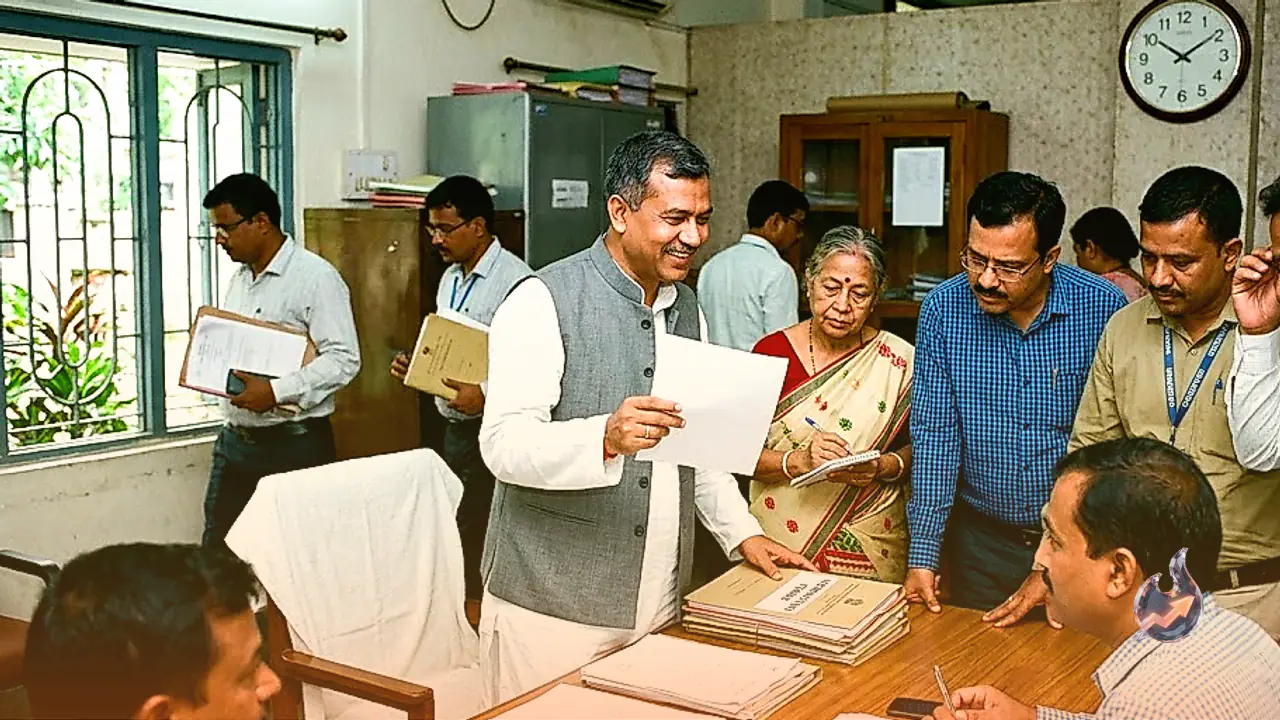
The issue was raised during the second day of the two-day conference focused on financing the roadmap toward a developed India, held in the presence of Union Finance Minister Nirmala Sitharaman along with Chief Ministers and Finance Ministers representing multiple States and Union Territories. Addressing a dedicated session on transforming farm financing, Baruah drew attention to the distinct potential of the Northeast. He noted that roughly 40 to 46 per cent of the national workforce remains engaged in farming and related rural activities, while the sector delivers approximately 18 per cent of India's gross domestic product. Given these figures, scaling productivity, boosting processing capacity, expanding market outreach, and uplifting farm incomes remain vital priorities.
Addressing Credit Gaps and Land Title Hurdles
Institutional lending across the Northeastern states continues to face regional imbalances, with formal credit access often blocked by land documentation constraints. Tenant cultivators, leasehold farmers, beneficiaries under forest rights legislation, individuals cultivating government land, and small tea growers frequently struggle to obtain bank loans due to the absence of formal land titles. To bridge this gap, Assam has initiated the rollout of unique Farmer IDs. This identification framework is expected to channel structured institutional credit and targeted government support directly to vulnerable cultivator groups who lack conventional land ownership papers.
Local Processing to Protect Perishable Crops
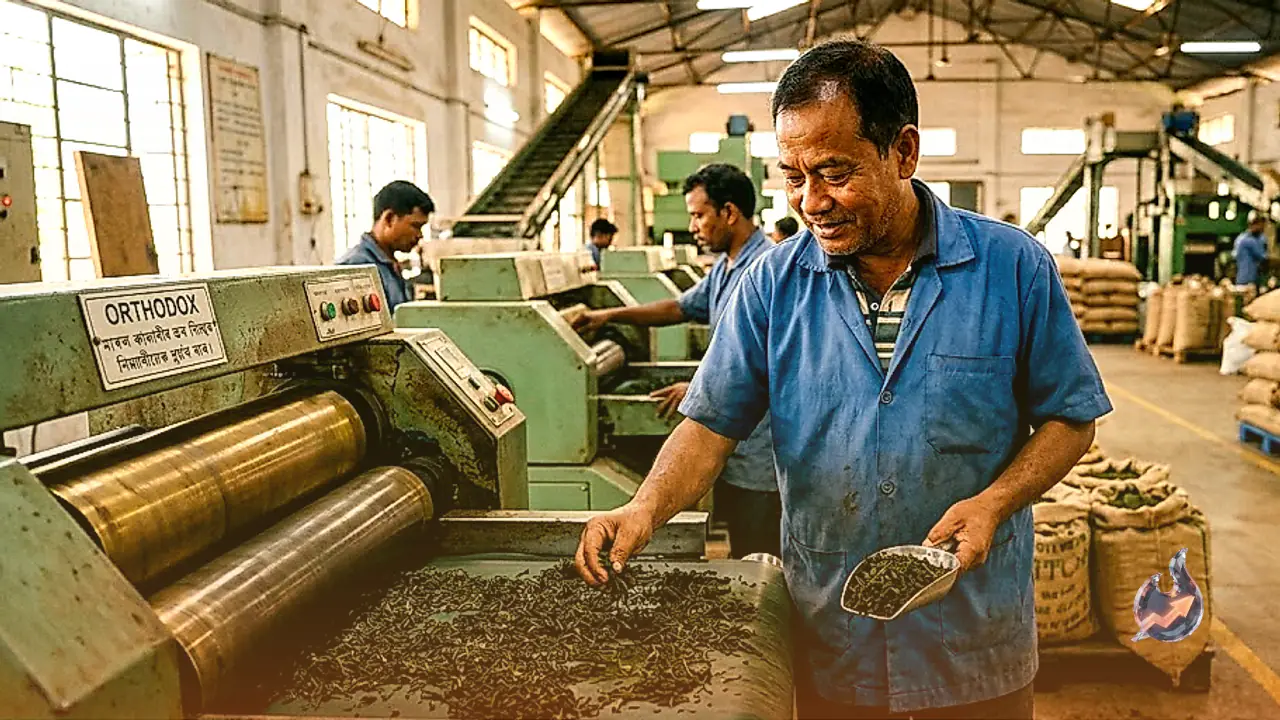
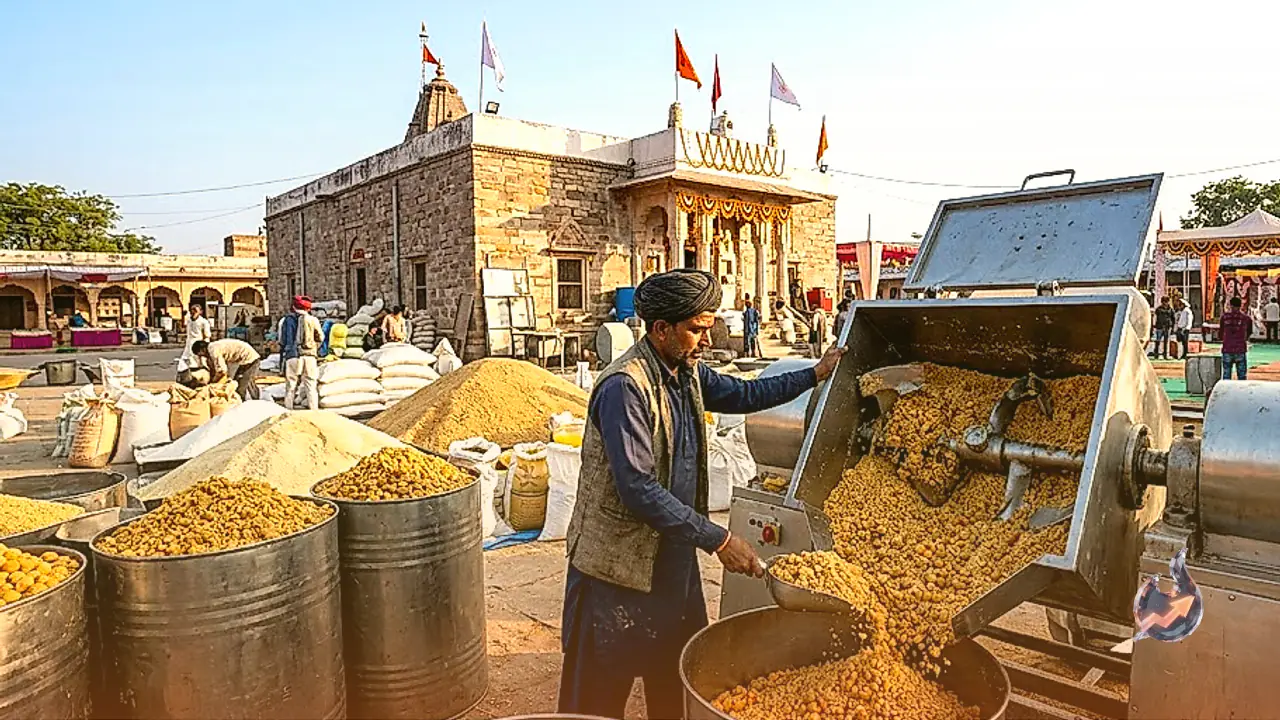
A comprehensive agricultural strategy must span every stage of the sector, from cultivation and initial processing to warehouse storage, commercial marketing, and export channels. While expanding standard logistical infrastructure like cold storage units, warehouses, and transport networks is indispensable, establishing value-addition facilities in close proximity to farming belts is critically urgent. This local processing infrastructure is vital for perishable agricultural commodities that risk spoiling within two to five days of being harvested, helping growers avoid distress sales.
Unlocking High-Value Agarwood and Hill Produce
The economic upside of specialized regional crops was also brought forward, particularly Assam's agarwood industry. Baruah highlighted the tremendous economic promise held by the agarwood sector, pointing out that streamlined regulatory clearances, domestic quality-testing laboratories, grassroots processing units, and direct export routes would enable growers to capture significantly higher revenue from this premium crop. In parallel, he requested dedicated outward trade facilities, including direct international air cargo links, to transport high-value ginger and turmeric grown across Assam's hill districts directly to global buyers.
Emergency Distressed-Farmer Support Mechanism
Given the severe ecological vulnerabilities of the Northeast, where recurrent flooding, unexpected drought spells, and insect infestations frequently ravage standing crops, Baruah emphasized the need for agile, real-time intervention frameworks to assist farmers during periods of severe distress. Strengthening agricultural value chains and stabilizing rural financing will ultimately depend on sustained policy coordination between the central government and the states.