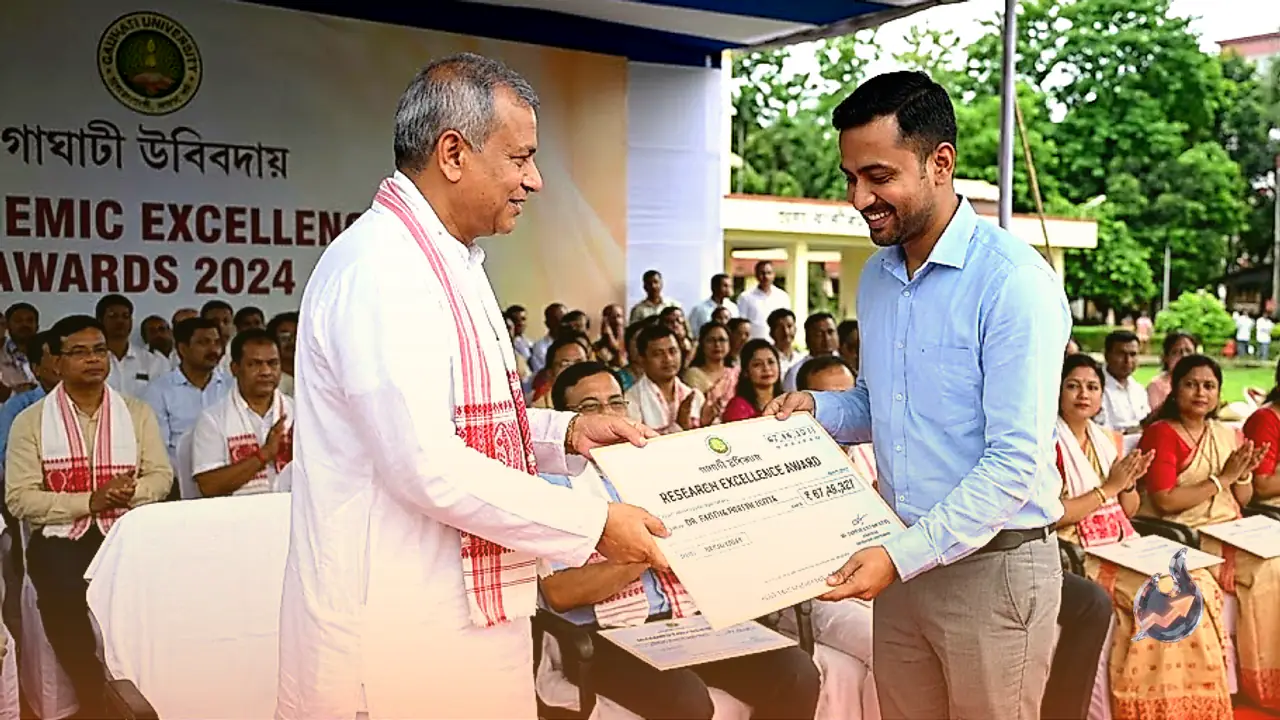























Assam Governor Lakshman Prasad Acharya took to the streets in Tinsukia district on Tuesday to lead a public awareness walk against narcotics, stressing the urgent need to transform anti-drug initiatives into a sustained civic movement. The initiative forms an integral part of a broader regional outreach campaign steered by the governor, designed to curb substance abuse and foster healthier, drug-free communities across the state.
The journey from Cachar to upper Assam
The governor's awareness padayatra originally began in Cachar and subsequently advanced through Sribhumi before arriving in the upper Assam belt, covering Dibrugarh and Tinsukia. In Tinsukia, Acharya officially flagged off the 'Nasha Mukt Bharat Sankalp Padayatra' and walked alongside hundreds of college students, local residents, and community members. The route saw participants march together from Tinsukia College to Mahatma Gandhi Park. Ahead of the walk, Tinsukia District Commissioner Sumit Sattawan administered the formal 'Nasha Mukt Bharat Sankalp' pledge to the assembled gathering.
Values, civil society, and collective responsibility
Addressing the gathering at Tinsukia College prior to the march, the governor highlighted the district as a vital emblem of the state's heritage, cultural identity, and industrial output. He remarked that the initiative is being built into an active public movement that reflects Prime Minister Narendra Modi's vision of a 'Nasha Mukt Bharat'. Emphasising self-discipline, personal restraint, and moral conduct, he noted that these virtues have long been central to India's civilisational traditions.
Enforcement and youth empowerment initiatives
The governor observed that while strict legal enforcement remains essential to break the backbone of narcotics networks, eradicating drug abuse fundamentally demands seamless collaboration among families, schools, colleges, civil society groups, and local administrations. He commended the Assam government for maintaining a zero-tolerance stance towards illicit substances and for stepping up punitive actions. Furthermore, Acharya cited welfare programmes including 'Nijut Moina' and 'Nijut Babu', affirming that such targeted schemes play an important role in uplifting young people and guiding them toward productive, purposeful lives.