



















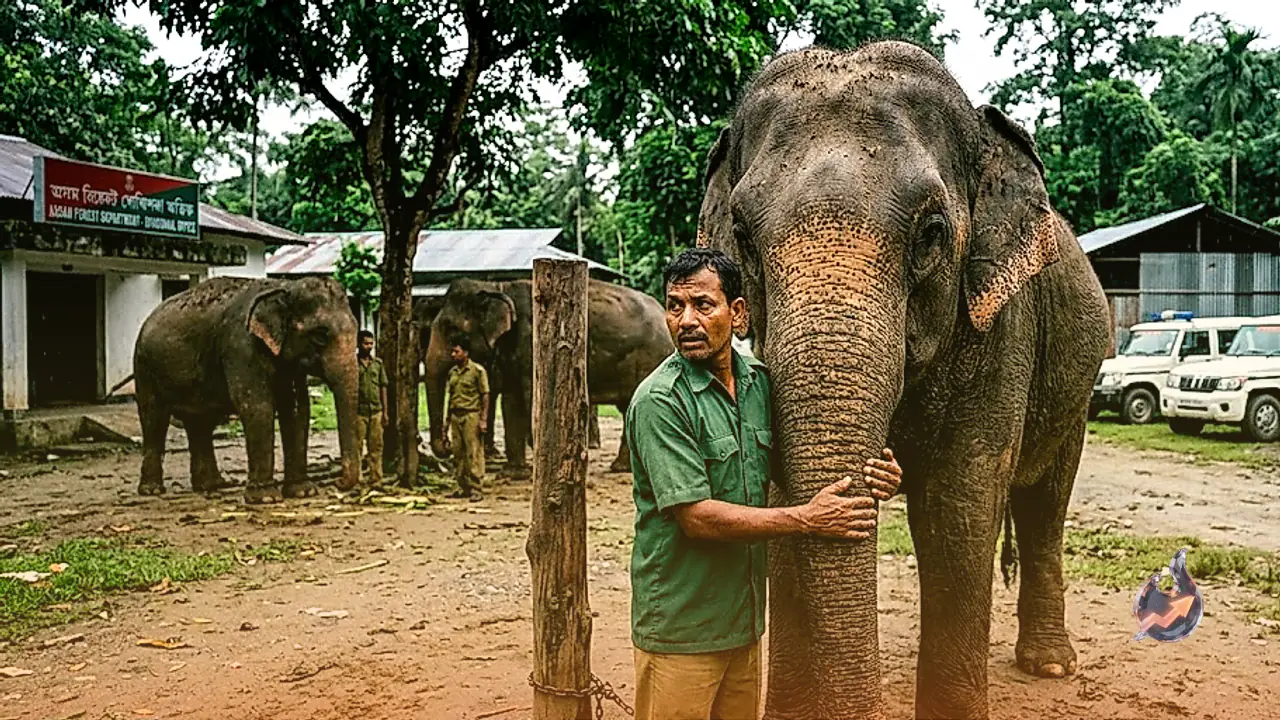

The Centre for Research on Animal Rights has formally requested the Assam Forest Department to withhold any permission for the proposed transport of five captive elephants from Assam to Tamil Nadu. In a detailed representation directed to the Principal Chief Conservator of Forests and Chief Wildlife Warden, the organisation emphasized that these animals should remain within the home state and be properly cared for locally rather than being moved across long distances.
Call to Retain and Rehabilitate Animals Locally
The representation named the five elephants as Rupsing, Shiva, Hiralal, Durga, and Bijuli. According to the details provided, these animals are reportedly being surrendered because their current owners can no longer manage the financial or logistical burden of their upkeep. The animal rights group has urged forest officials to assess whether existing or upcoming elephant care facilities within Assam have the capacity to accommodate them, ensuring every reasonable measure is taken to keep them in the state.
Evaluating Existing Rescue and Care Infrastructure
Highlighting ongoing developments, the organisation noted that a new elephant rescue facility is currently being established in Assam, alongside other centers already operated or supervised by the state forest authorities. An inquiry has been demanded to evaluate the precise capacity of these local facilities to receive and maintain the five elephants. The appeal stresses that exploring all local rehabilitation avenues should take precedence over shipping the animals to distant locations.
Scrutiny of Ownership History and Documentation
Citing records previously submitted before the Captive Elephant Healthcare and Welfare Committee, the organisation raised serious questions regarding the origin and past ownership records of the animals. Authorities have been urged to conduct a thorough verification of all five elephants, covering their complete documentation history, age records, microchip details, DNA profiles, acquisition papers, previous transport permissions, veterinary histories, and the specific circumstances surrounding their surrender, including any intermediaries involved.
Supreme Court Directives and High-Powered Committee Oversight
The submission referenced a recent Supreme Court order concerning the movement and transfer of captive elephants to demand strict adherence to prevailing legal guidelines. Specifically pointing to the directive issued on August 18, 2026, in Writ Petition (Civil) No. 743 of 2014, the organisation noted that captive elephant transfers must not proceed outside legal frameworks and that all related records require careful re-examination. Furthermore, citing a ruling from the Manipur High Court, the group insisted that the transfer proposal must be reviewed and approved by the designated High-Powered Committee.
Lessons from Previous Elephant Transfers
Drawing parallels with past incidents, the representation brought up the contentious case of Joymala and eight other elephants previously moved from Assam to Tamil Nadu. Pointing out that the Gauhati High Court is currently reviewing whether those specific animals should be returned or relocated to the state's official Elephant Rehabilitation Centre due to welfare concerns, the organisation argued that authorities must evaluate the welfare outcomes beforehand rather than repeating past mistakes with the current group of five.
Formal Demands and Prevention of Relocation
In conclusion, the organisation urged the forest department to deny any no-objection certificates, transport permits, ownership-change approvals, or related consents for moving Rupsing, Shiva, Hiralal, Durga, and Bijuli out of Assam. The authorities were asked to call for comprehensive records regarding the surrenders, explore local accommodation possibilities, place the entire matter before the competent High-Powered Committee, and furnish a clear action-taken report ensuring the elephants remain safely within the state.