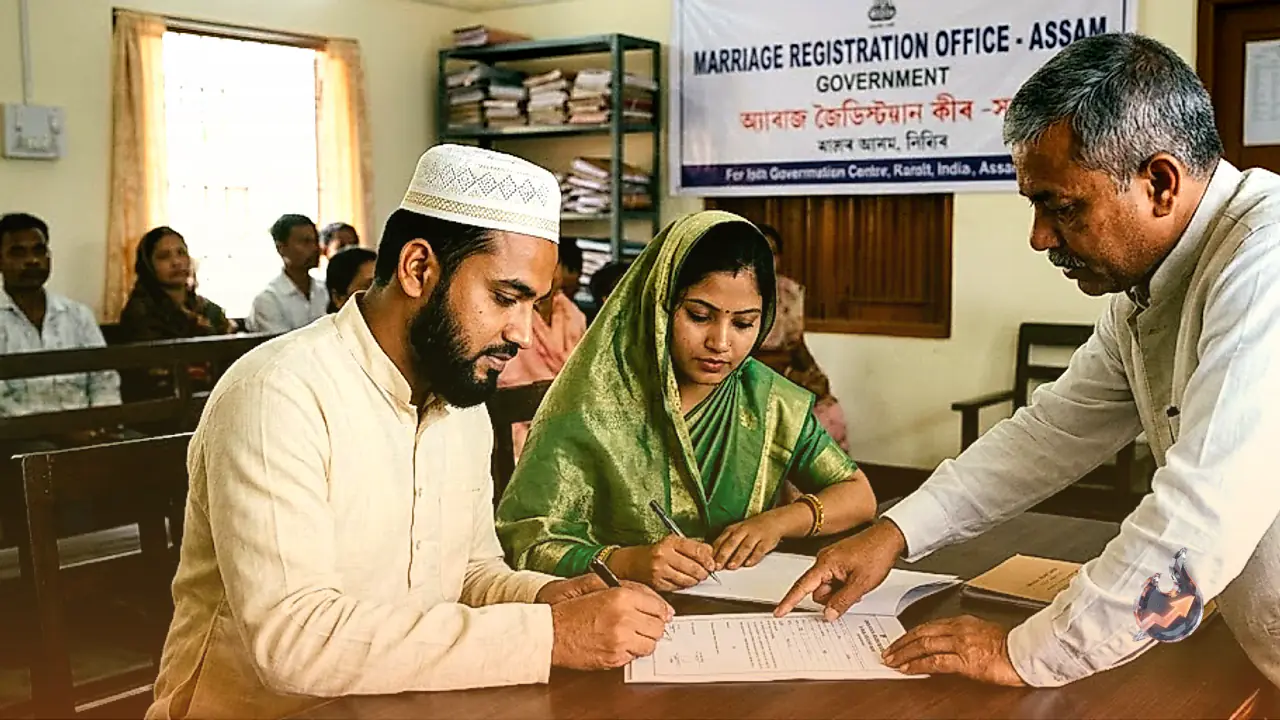























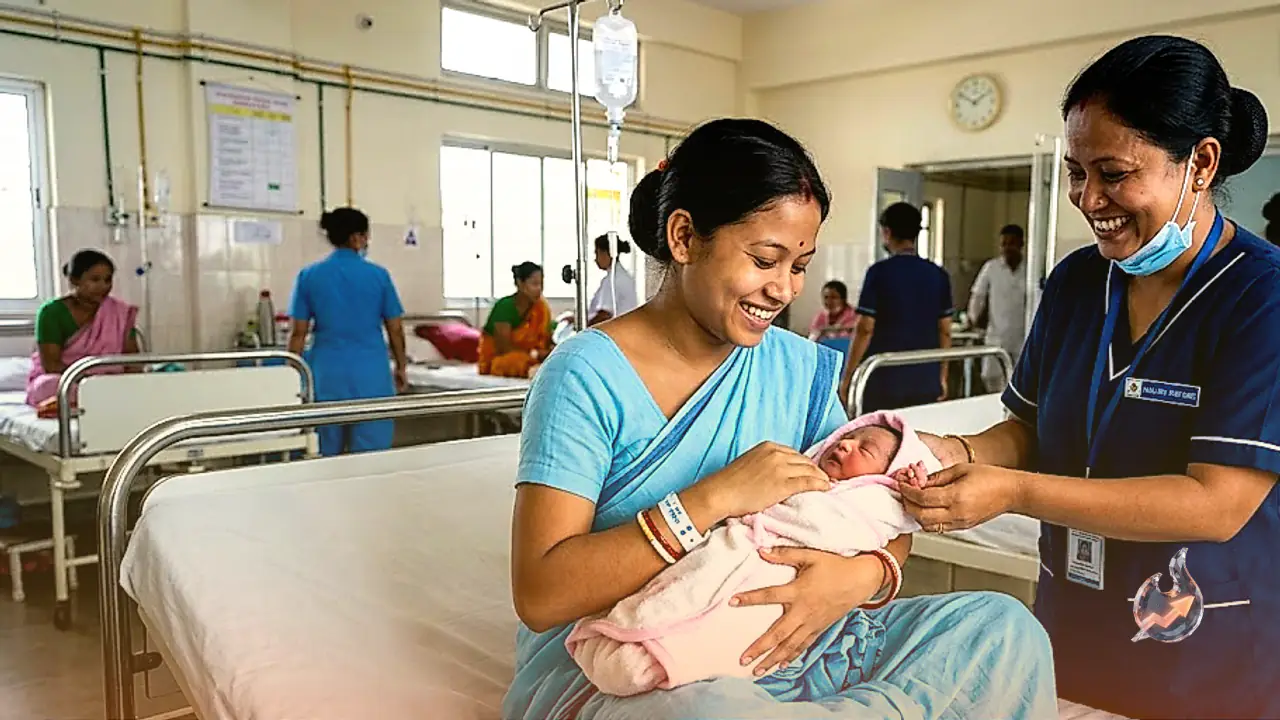

Dibrugarh district in eastern Assam has established a significant public health milestone by logging complete institutional delivery coverage across two back-to-back financial years. Medical authorities verified that between April 2025 and July 2026, every single one of the 5,848 registered deliveries took place inside healthcare institutions, maintaining an unbroken zero-home-birth record.
Sustained Climb in Healthcare Facility Births
According to information released by the District Health Department, the preceding financial year of 2025-26 similarly registered 21,895 deliveries at medical facilities without a single domestic birth incident. Momentum expanded further during the initial four-month window of April to July 2026, where the district handled 5,848 institutional deliveries. This volume marks an addition of 469 childbirths compared to the 5,379 documented in the parallel timeframe of the prior year, translating into an 8.72 percent uptick.
Longitudinal records spanning six financial periods illustrate that healthcare centers across Dibrugarh oversaw an aggregate of 1,33,256 births. Historical annual figures detail 23,252 facility births during 2020-21, 21,662 in 2021-22, 22,600 in 2022-23, 21,509 throughout 2023-24, 22,338 in 2024-25, and 21,895 over 2025-26.
Ground Mobilization and Structural Coordination
Highlighting this milestone, the Chief Minister’s Office noted in a post on X that the district has fortified safe childbirth alongside comprehensive maternal care. Health managers linked this sustained track record to comprehensive prenatal monitoring, reinforced medical infrastructure, and expanded community outreach.
Officials underlined that rigorous antenatal registration, continuous health checkups, targeted protocols for high-risk expectant mothers, and routine family counseling underpinned the total elimination of unsupervised domestic deliveries. Clinical teams comprising physicians, nursing staff, ASHA facilitators, and grassroots healthcare workers worked in unison with the 108 emergency ambulance and patient transit system. This dependable logistical network ensured prompt transport for pregnant women residing in interior villages and tea estate settlements.
Reinforced Confidence in Public Medical Services
The District Health Department remarked that maintaining this benchmark reflects deepening public faith in formal medical facilities. Officials reaffirmed their dedication to preserving this zero-home-birth status while guaranteeing high-standard clinical support for mothers and newborns throughout the region.