





















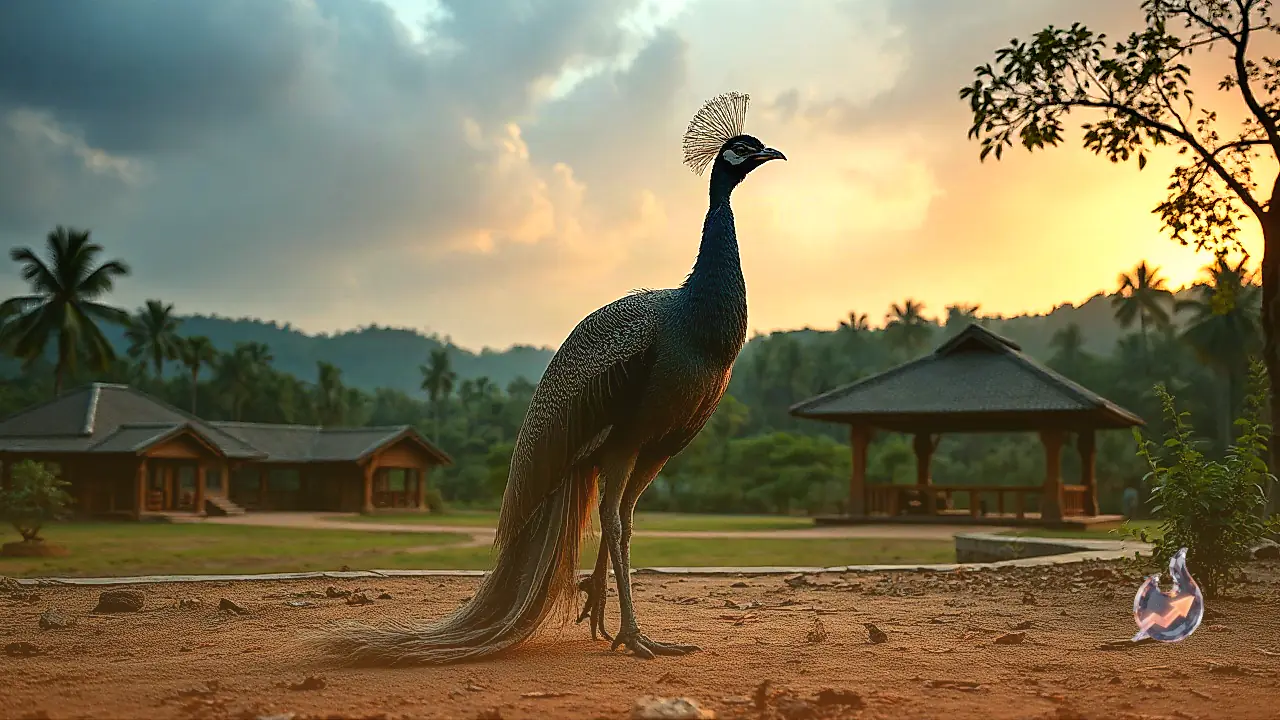

Assam’s Orang National Park has officially recorded the presence of the Indian peafowl for the first time, marking a brand new addition to the protected area's expanding biodiversity records. The bird's presence was confirmed through photographs captured inside the sanctuary by wildlife photographer Nejib Ahmed and cinematographer Chandan Saikia.
Initial Sightings by Forest Personnel
This discovery followed careful observations made by frontline forest personnel. Staff members had spotted an unidentified bird closely resembling an Indian peafowl over the course of several days near the Rowmari and Hazaribagh Anti-Poaching Camps, prompting further investigation into the area.
Significance of the New Record
Executive Park Director Pradipa Baruah emphasized the importance of this milestone, noting that every newly documented species provides valuable insight into the overall health and diversity of Assam’s protected ecosystems. He also acknowledged the collaborative role played by frontline forest staff, wildlife photographers, and nature enthusiasts in tracking wildlife and enriching the state's ecological understanding.
Prior Records and Future Monitoring
Before this photographic evidence was secured, there was no documented proof of the species within Orang National Park. However, the Indian peafowl had previously been documented nearby at the Nunoi Wildlife Sanctuary located in the Udalguri district. This fresh record has generated significant interest among regional birders, researchers, and wildlife conservationists, leading forest authorities to plan ongoing monitoring operations in the area.
Habitat and Ecosystem Integration
The Indian peafowl naturally thrives along forest edges, open grasslands, and similar open habitats. Its confirmed integration into Orang further enhances the ecological richness found across the park's diverse network of grasslands, wetlands, and forested zones.