





















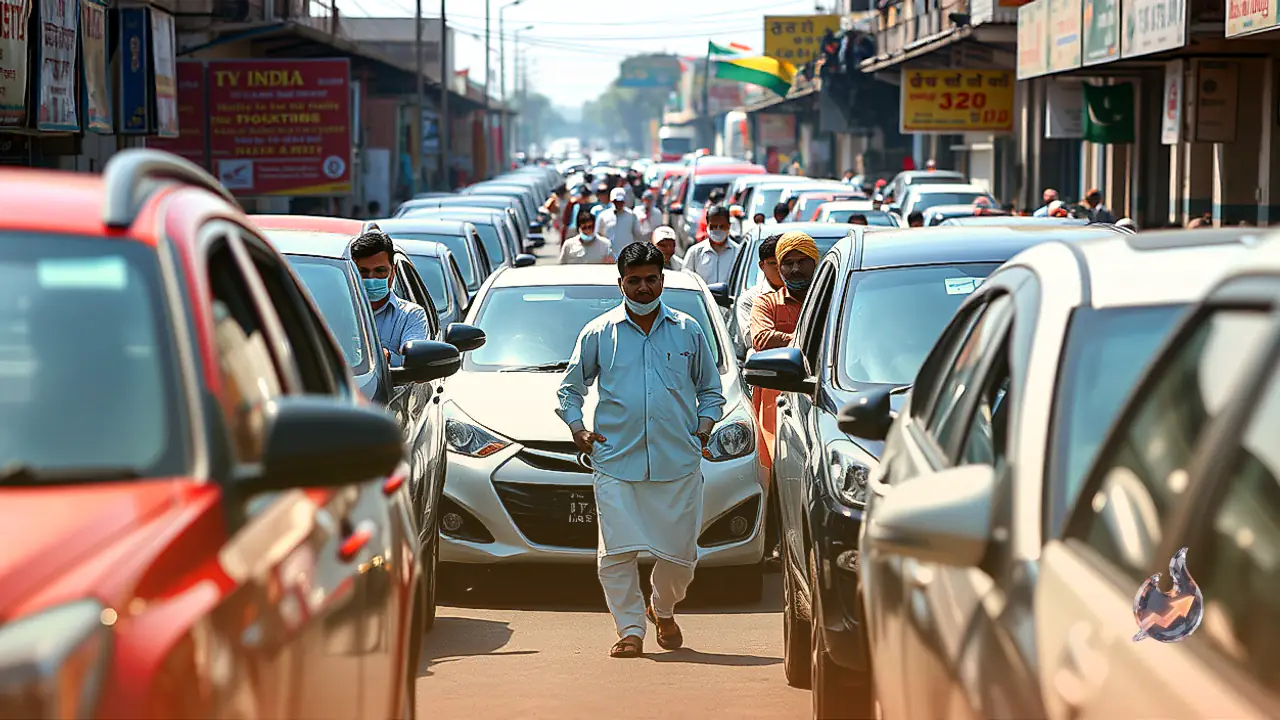

A striking disparity in consumer demand and industrial depth has emerged between the automotive sectors of India and Pakistan. While vehicle deliveries across the border remain confined to modest volumes, the Indian auto market continues to set an extraordinary pace. Comparative data reveals that the entire monthly output of passenger and light utility vehicles sold in Pakistan is comfortably matched or surpassed by the number of passenger cars bought in India within a single twenty-four-hour span.
Monthly Sales Breakdown Across the Border
During August 2026, total sales of cars, vans, jeeps, and pickups across Pakistan stood at 15,558 units. Although this represents an 11 percent increase compared to the corresponding month of the previous year, momentum slowed sequentially with a 21 percent decline from July 2026. Within this segment, passenger cars accounted for 13,717 units, delivering a year-on-year expansion of 36.4 percent.
Across the opening two months of the current financial year, cumulative passenger car registrations reached 30,933 units, marking an approximate 80 percent rise over the identical timeframe in the previous year. Nevertheless, market observers point out that inconsistent tax structures and regulatory ambiguities continue to exert downward pressure on month-on-month sales volumes.
The Staggering Pace of the Indian Auto Landscape
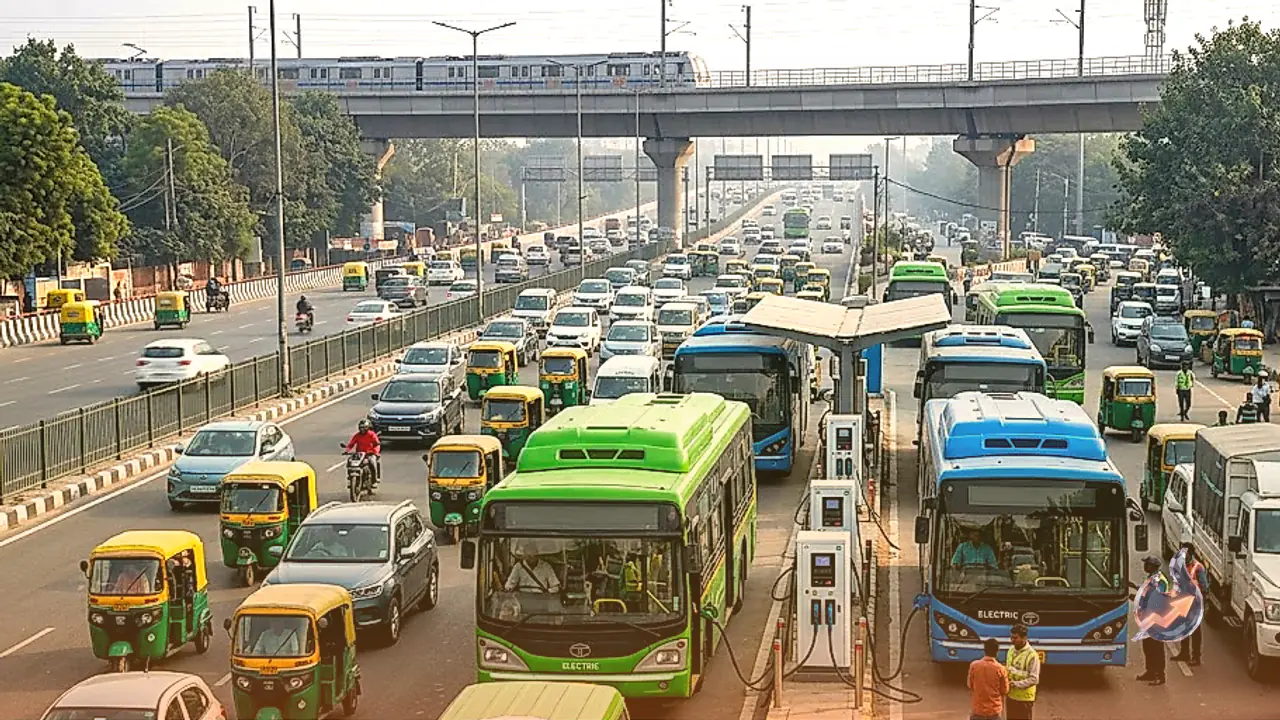
The situation in India presents a vastly different reality, fueled in part by regulatory tailwinds. Following the central government's move to slash GST on affordable passenger cars from 28 percent to 18 percent, showroom footfalls and customer deliveries have expanded rapidly. Retail sales of passenger vehicles across India surpassed 4.27 lakh units in September 2026 alone.
Broken down onto a daily timeline, Indian buyers drive home more than 14,000 new passenger cars every single day on average. During peak festive periods, daily deliveries surge as high as 51,000 units. When two-wheelers and commercial carriers are factored into the equation, total vehicle sales nationwide exceed 77,000 units each day. In effect, the entire monthly automobile output of Pakistan barely matches what Indian dealerships retail in passenger cars on an ordinary business day, highlighting vast differences in domestic purchasing power, consumer confidence, and manufacturing scale.
Top Vehicle Choices in Both Markets
In Pakistan, Suzuki maintains a commanding grip on local buyers. The Suzuki Alto emerged as the single highest-selling model with 5,339 units, despite witnessing a month-on-month dip of 26 percent. Combined registrations for Toyota's Corolla, Yaris, and Cross tallied 3,079 units, while Honda Civic and City together accounted for 2,553 units. Suzuki held its ground as the largest manufacturer overall, with Indus Motors (Toyota) and Honda Atlas retaining notable market chunks.
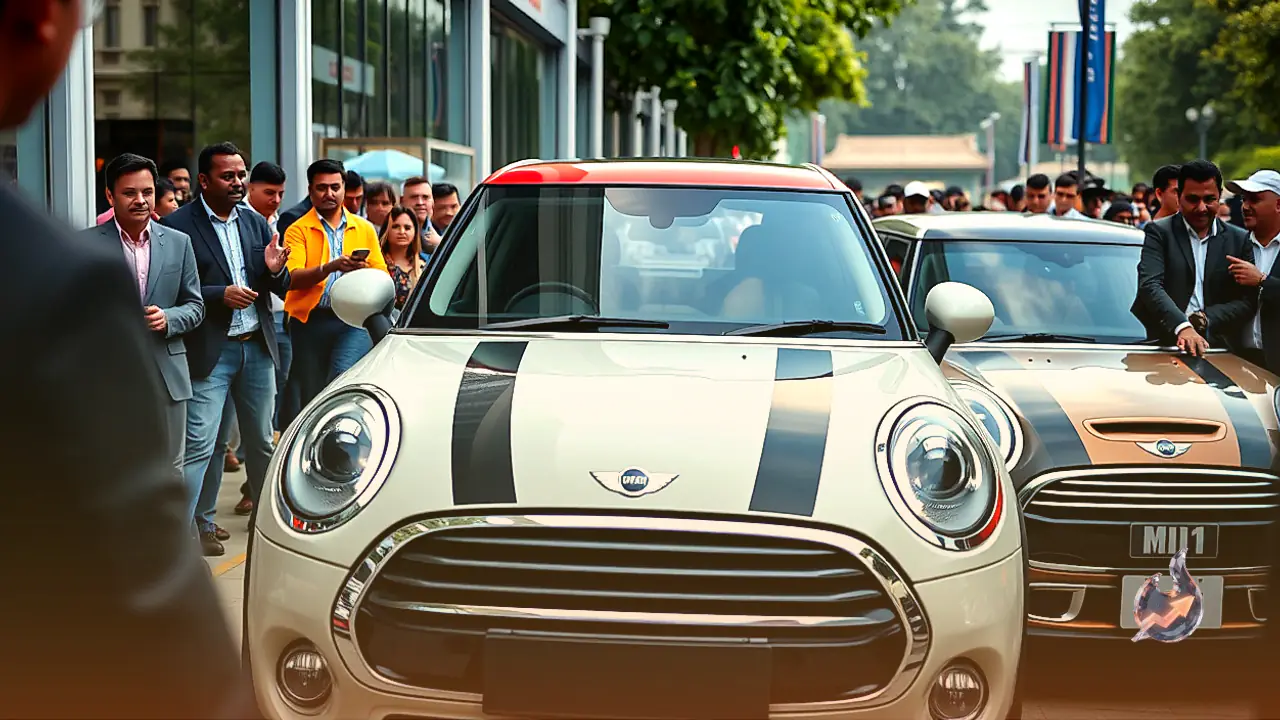
By contrast, top-selling models in India recorded numbers that outstripped the neighbor's entire monthly haul. The Maruti Fronx led deliveries with 19,282 units in September 2026. Maruti Suzuki maintained a domestic market share of around 40 percent, alongside robust volumes from Indian giants Tata and Mahindra. The comparison highlights that the Indian automotive industry operates at an entirely unmatched scale, backed by steady product variety and resilient underlying demand.