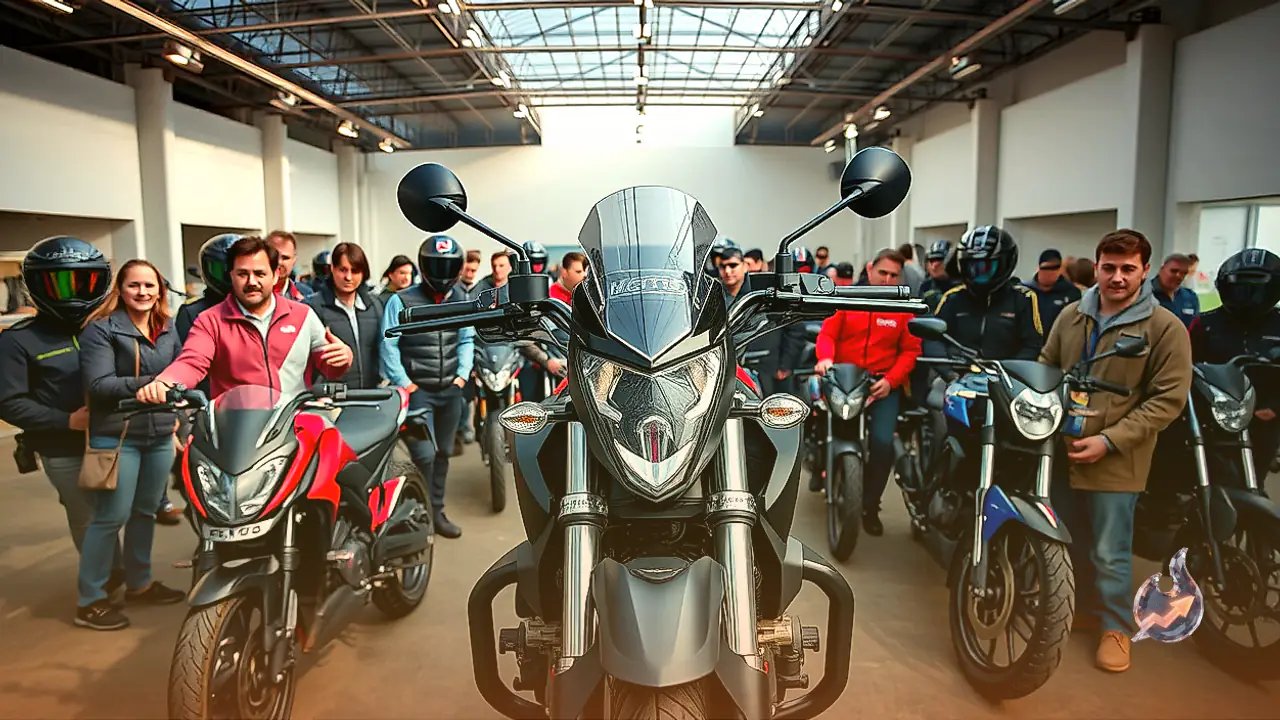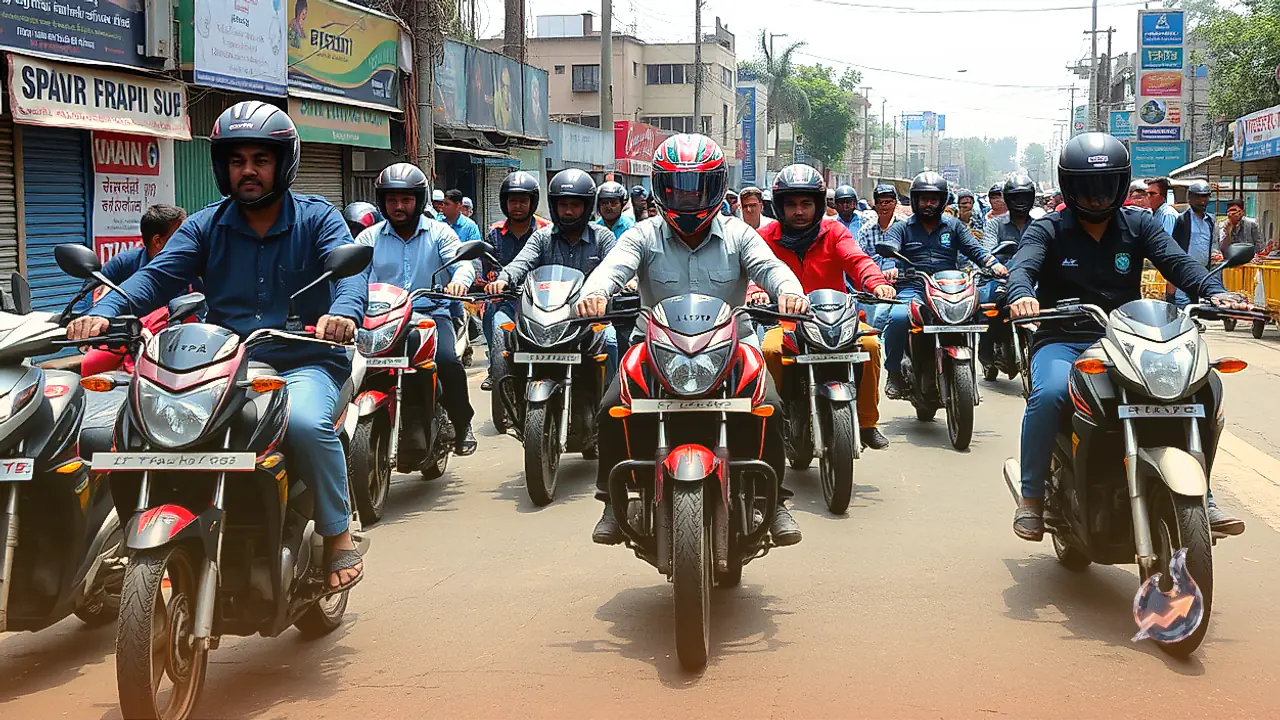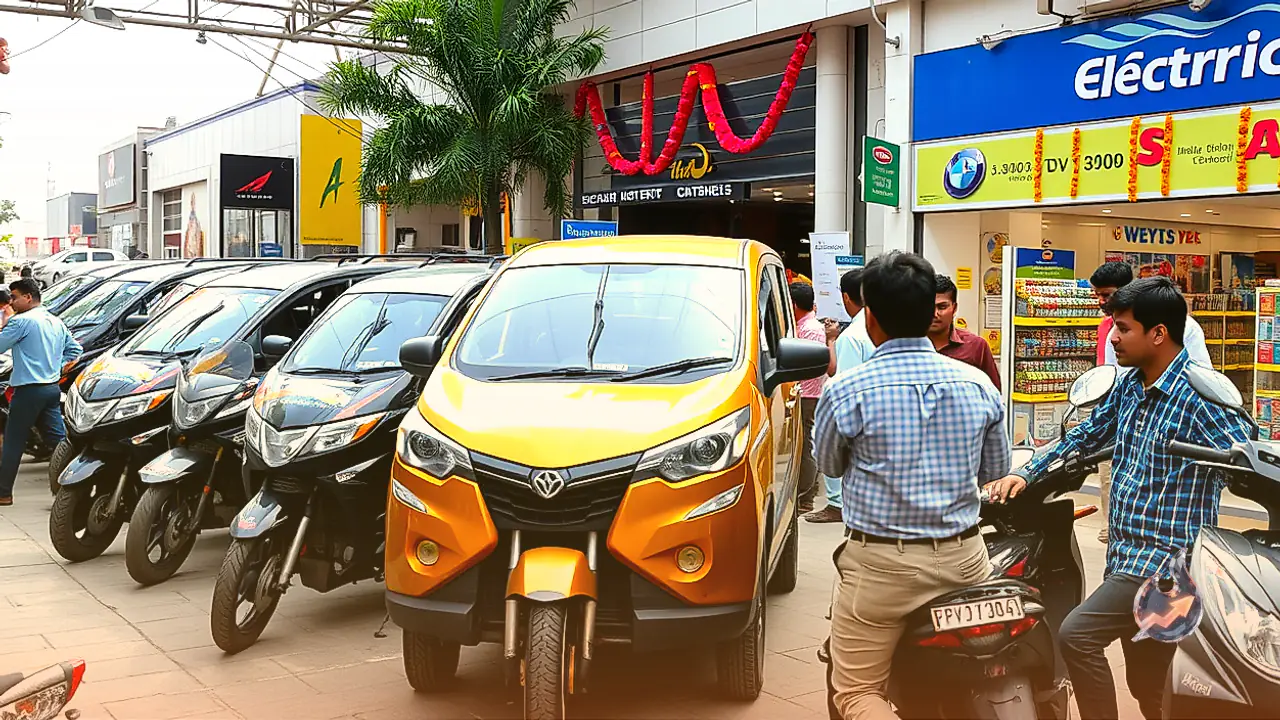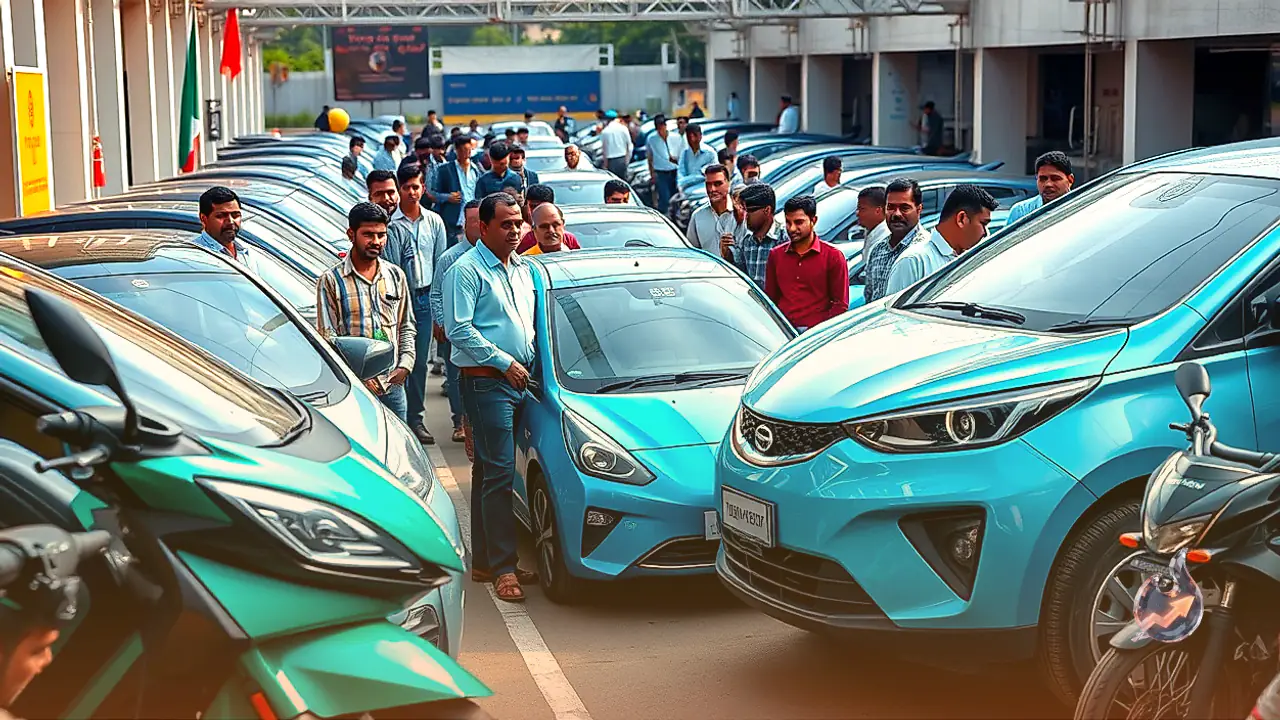


















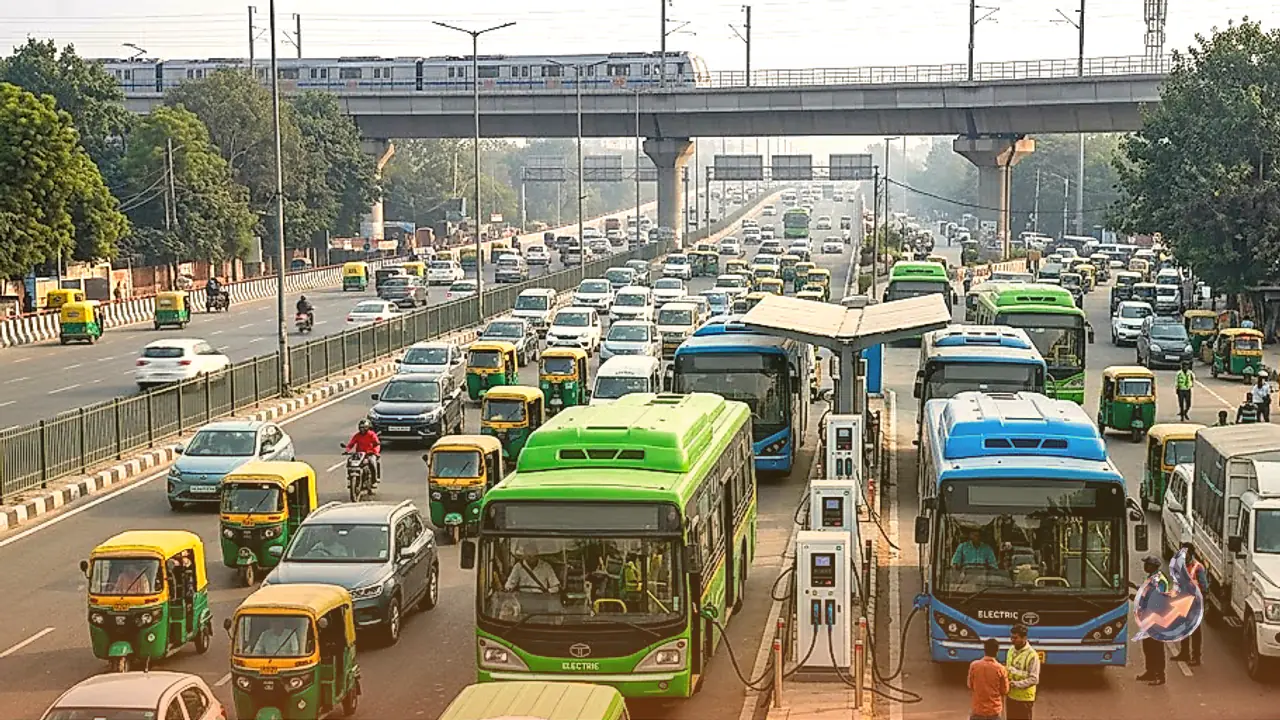

A sweeping transition strategy aimed at tackling toxic atmospheric conditions across the National Capital Region recommends permanently removing internal combustion engine transport in favor of clean mobility. In an interim report submitted to the Commission for Air Quality Management (CAQM), an expert committee outlined that curbs on older emission brackets alone will not suffice. Under this comprehensive clean mobility blueprint, even modern Bharat Stage 6 (BS-6) vehicles must eventually be retired from public roads. Following the proposed transition phases, authorities would exclusively register battery electric variants across the regional transport network.
Timeline for Phasing Out Fossil Fuel Fleets
According to the suggested schedule, two-wheeled petrol motorbikes and scooters must be completely retired from roads by 2035. For private passenger cars and passenger four-wheelers, the committee has recommended a final exit deadline of 2040. Once these cutoff dates arrive, regional transport offices would permit registration solely for electric models. Existing data indicates that the National Capital Region accounts for roughly 2.21 crore active and fitness-exempt motor vehicles. Models meeting the BS-6 threshold comprise approximately 41 percent of this total active fleet, yet they contribute only about 7 percent to particulate matter emissions. Despite their lower per-vehicle pollution profile, the advisory body noted that achieving true zero-emission goals requires phasing them out systematically over the long run.
Immediate Curbs on BS-4 and Legacy Brackets
Given the severe pollution burden caused by legacy vehicle platforms, the expert panel called for urgent, decisive intervention against older engine standards. The committee recommended an immediate, permanent withdrawal of vehicles conforming to BS-1, BS-2, and BS-3 classifications. These older platforms represent roughly 19 percent of all active automobiles across the region, yet they are responsible for an alarming 30 percent of total vehicular emissions. Similarly, BS-4 platforms constitute nearly 30 percent of the active vehicle population while generating 74 percent of particulate matter discharge. In light of these findings, the report advises introducing seasonal restrictions on BS-4 models during high-pollution winter periods. A pilot program running from November 1 through January 31 has been proposed, which could be implemented broadly beginning in the winter of 2026, leading to a complete, permanent retirement of BS-4 fleets by 2030.
Financial Subsidies and Shared Charging Protections
To ease the transition for motorists and commercial operators, the committee recommended a package of fiscal incentives. Buyers choosing electric auto rickshaws would receive financial support of up to 50,000 rupees, while electric two-wheelers would be eligible for up to 30,000 rupees. Purchases of electric cabs and private passenger cars could qualify for incentives reaching up to one lakh rupees. For vehicle owners opting to scrap their aging internal combustion models, the committee proposed additional scrapping allowances ranging from 10,000 to one lakh rupees. For owners who prefer converting existing fossil fuel machinery into electric configurations, retrofit incentives of up to 20,000 rupees for two-wheelers and 40,000 rupees for three-wheelers have been put forward. To solve residential charging hurdles, the committee suggested introducing a 'Right to Charge' regulation ensuring that at least 20 percent of shared parking capacity in housing societies and office complexes without designated spots is equipped with electric charging hardware.
Public Fleet Overhauls and Industrial Mitigation Measures
The roadmap establishes rigorous targets for public bodies, recommending that all official vehicles procured or leased by government departments must be zero-emission platforms starting April 1, 2027. Municipal corporations would be required to shift their entire municipal fleet to electric alternatives by 2030. Construction machinery should undergo electrification by 2028, followed by heavy mining and earth-moving equipment by 2030. Alongside vehicle regulations, the advisory group outlined complementary environmental control measures, including vacuum sweeping of paved roads, widespread water sprinkling, strict bans on open refuse burning, mandatory perimeter barricades around building sites, the adoption of electric heating within manufacturing units, and the expansion of compressed bio-gas (CBG) installations to process crop residue.
Milestones for Auto Rickshaws and Commercial Goods Carriers
Under the proposed regulatory timetable, registrations of new auto rickshaws and light goods vehicles (LGVs) weighing up to 3.5 tonnes must become exclusively electric in Delhi from January 1, 2027. Key adjoining urban centers, including Gurugram, Faridabad, Sonipat, Ghaziabad, and Gautam Buddha Nagar, would adopt identical registration mandates on January 1, 2028, with the remaining portions of the National Capital Region following on January 1, 2029. For medium freight platforms weighing between 3.5 and 7.5 tonnes, exclusive electric registration would take effect in Delhi on January 1, 2028, expanding to high vehicle-density districts on July 1, 2028, and covering the broader region by January 1, 2029. The advisory panel noted that while compressed natural gas previously reduced diesel soot, continuing CNG auto registrations does not align with regional long-term environmental targets. Although battery rickshaws represent around 2.2 percent of overall new three-wheeler sales, emissions from fresh sales account for nearly 19 percent of PM 2.5 pollutants, a figure that climbs to 37 percent within Delhi. Shifting all new auto registrations entirely to electric technology is projected to eliminate around 5.5 tonnes of PM 2.5 emissions annually. Furthermore, the report emphasizes prioritizing the replacement of diesel cargo vans, noting that diesel goods vehicles generate roughly twice the pollution output of comparable CNG carriers.