







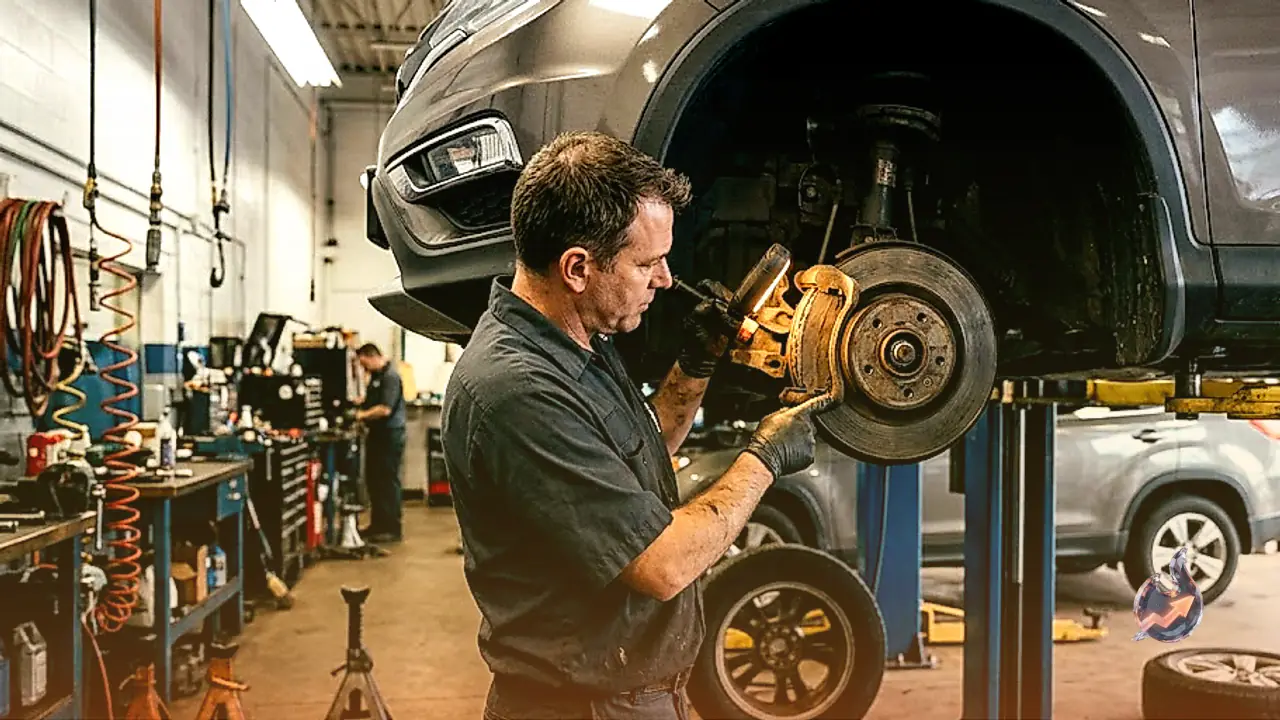















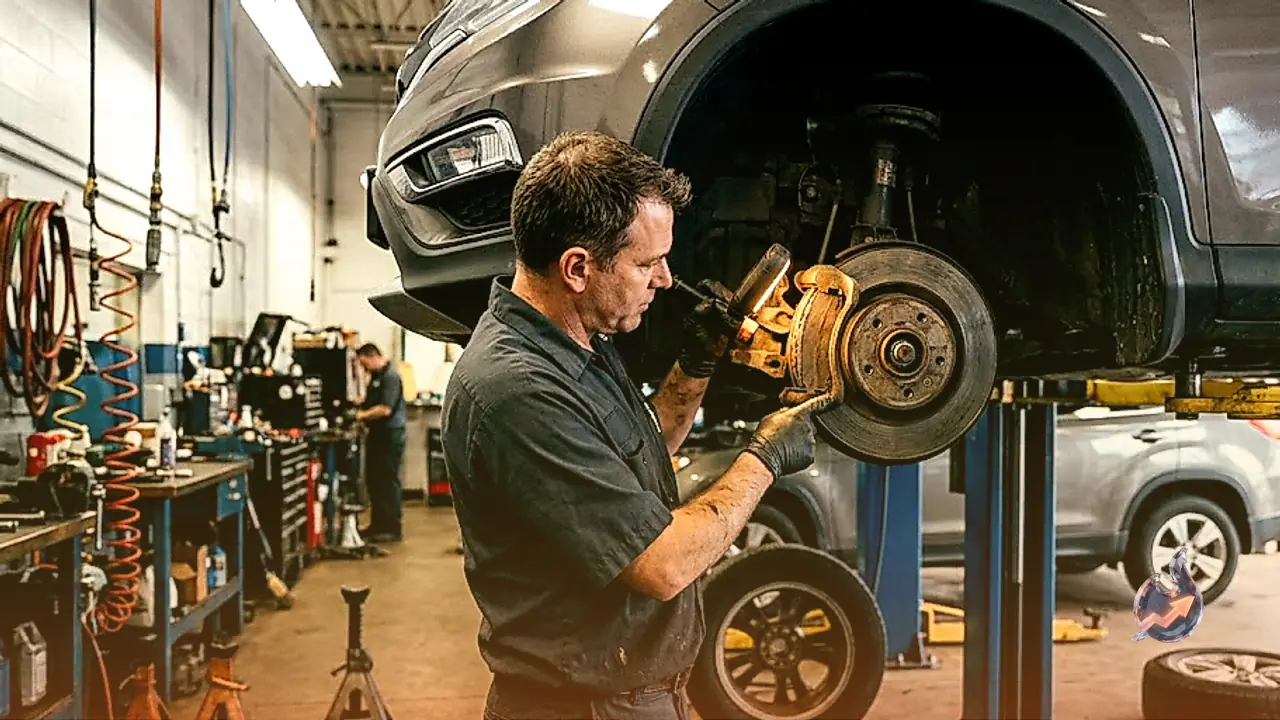

After the horn, the braking mechanism is the most frequently operated component in any automobile. Navigating Indian road conditions involves routine encounters with traffic signals, potholes, unmarked speed breakers, and uneven tarmac, compelling motorists to step on the pedal repeatedly. This perpetual application exerts tremendous mechanical stress on the pads, causing their friction material to grind away over time. Many vehicle owners neglect regular brake health, overlooking the reality that this hardware is paramount for operational stability and passenger safety.
Severely worn friction material degrades overall stopping effectiveness, which can easily trigger hazardous outcomes during sudden emergency stops. By modifying daily driving habits, motorists can significantly preserve the structural integrity and operational longevity of their brake pads. Adopting five straightforward behind-the-wheel adjustments will protect vehicle components and prevent premature maintenance expenses.
Avoid Last-Second Hard Stops
Motorists should initiate deceleration well before reaching their planned stopping point. Jamming down on the pedal at the final second is known as hard braking. This abrupt action produces intense friction and rapid thermal buildup, which deteriorates the pad material at an accelerated rate. In contrast, applying steady, progressive, and light pressure minimizes physical stress on the assembly. Developing the discipline of gradual deceleration not only preserves the hardware but also brings the car to a composed halt.
Regulate Highway Speeds
Traveling at elevated speeds may deliver excitement, but it places extreme wear on the braking mechanism. Bringing a speeding automobile to a halt forces the brake pads to absorb huge amounts of kinetic energy. According to a study, coming to a complete stop from a speed of 105 km/h consumes 33 percent more energy compared to halting from 85 km/h. This steep energy dissipation accelerates material depletion while also increasing fuel consumption, making moderate driving velocities crucial for component longevity.
Never Press the Brake and Accelerator Simultaneously
Resting a foot on the accelerator while applying the brakes is an inefficient and damaging habit. This conflicting input forces the engine to burn unnecessary fuel while subjecting the pads to extreme mechanical resistance. As a consequence, the friction pads wear out far quicker than under standard driving practices. Drivers should always release the accelerator pedal fully before engaging the brake. Eliminating overlapping pedal inputs preserves pad lining and delivers noticeable improvements in fuel economy.
Utilize Engine Braking in Congestion
Relying on engine braking serves as a smart method to decelerate smoothly in dense traffic situations. Drivers can execute this by releasing both the accelerator and clutch pedals together, shifting to a lower gear ratio when deceleration is required. Because this mechanical resistance slows the car at a gentler pace than the brake pedal, maintaining an adequate safety gap behind the vehicle ahead is essential. This technique takes significant pressure off the pads, helping them last substantially longer in urban driving.
Remove Unnecessary Cargo Weight
Hauling redundant cargo or heavy vehicle accessories increases the total mass of the car. Heavier rolling weight creates greater vehicle momentum, forcing the braking assembly to exert extra energy to arrest forward movement. The resulting strain wears down friction components quickly and lowers fuel mileage across daily trips. Motorists should keep the trunk free of non-essential items, as maintaining a lighter payload reduces mechanical fatigue and preserves the pads over extended periods.