






















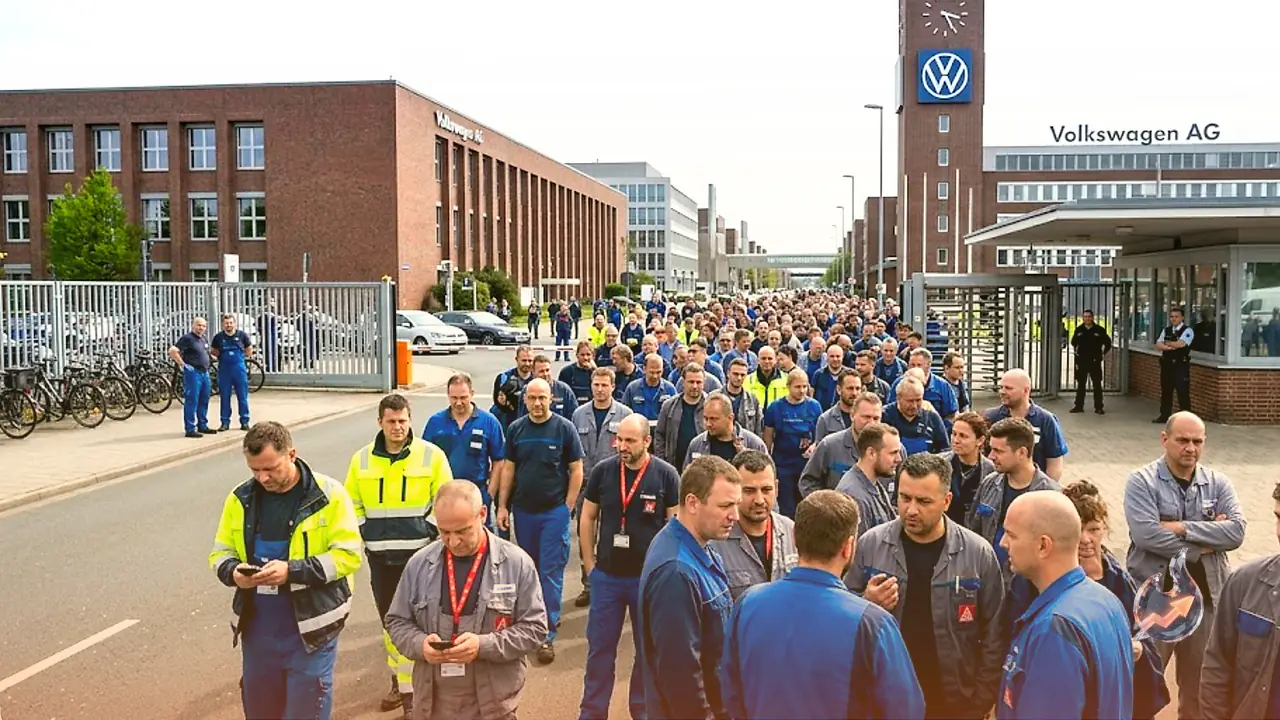

The global automotive landscape is bracing for a massive shakeup as Volkswagen, the manufacturer of iconic brands like Audi and Porsche, prepares to execute an unprecedented restructuring plan. Sources indicate that the German carmaking group is planning to eliminate approximately 100,000 jobs in the coming years. This potential downsizing, alongside the unprecedented threat of domestic factory closures, represents what could become the most drastic cost-reduction campaign in the entire history of the company.
Crucial Factors Driving the Restructuring
To navigate an increasingly hostile global market, CEO Oliver Blume is pushing for aggressive reforms aimed at boosting the group's profitability and market competitiveness. Volkswagen has encountered severe headwinds on multiple fronts recently. Escalating tariffs imposed by the United States, flagging consumer demand across China, and a surge in competition from aggressive rivals like BYD and Stellantis within Europe have combined to put immense pressure on the automotive giant's balance sheet. These compounding challenges have forced the leadership to rethink its operational model and pursue deep financial cutbacks.
The Scale of the Projected Layoffs
The updated workforce reduction strategy dramatically escalates prior targets, raising the projected job cuts to nearly 100,000 roles. Currently, the German automotive conglomerate employs a global workforce of roughly 657,000 individuals. Prior to this latest development, the company had established a target to reduce its headcount by 50,000 by the year 2030. As part of those early efforts, approximately 28,000 workers have already consented to voluntary departure packages, but the deteriorating market conditions have prompted management to scale up their exit plans significantly.
German Manufacturing Facilities Under Threat
In a bid to streamline its extensive manufacturing footprint, Volkswagen is seriously contemplating the closure of four major production facilities located in Germany. Among the sites currently under review for potential shutdown are the Audi assembly facility in Neckarsulm, alongside Volkswagen's key manufacturing plants in Hannover, Zwickau, and Emden. Beyond shutting down assembly lines, the group is evaluating the possibility of spinning off its various component manufacturing divisions and implementing fundamental structural changes to the core Volkswagen brand itself, with the primary goal of simplifying operations and enhancing overall profitability.
Targeting Eleven Billion Euros in Savings
By the end of the current decade, the automotive conglomerate aims to shave off approximately 11 billion Euros, which translates to roughly 12.5 billion Dollars, from its standard administrative and operational expenditures. In preparation for this leaner future, the corporation has already initiated steps to scale back its yearly production capabilities. The company is transitioning from an annual manufacturing capacity of 12 million vehicles down to a far lower target of approximately 9 million vehicles.
Unions and Works Council Mount Fierce Opposition
This sweeping cost-cutting blueprint has immediately triggered severe backlash from domestic labor representatives. The company's Works Council, alongside Germany's highly influential metalworkers' union, IG Metall, has publicly voiced strong opposition to the proposed restructuring. The labor organizations have firmly declared that they will actively resist any attempts to shutter domestic factories or implement large-scale involuntary redundancies, setting the stage for a prolonged and intense confrontation between management and the workforce.