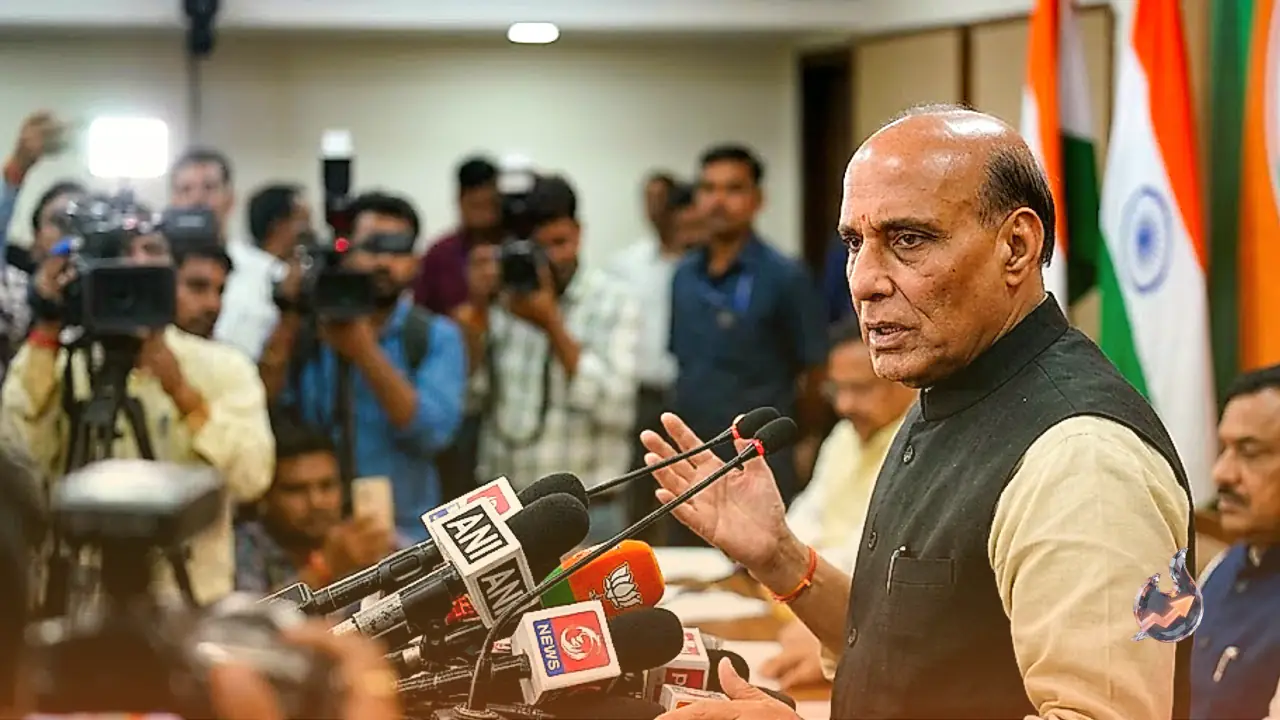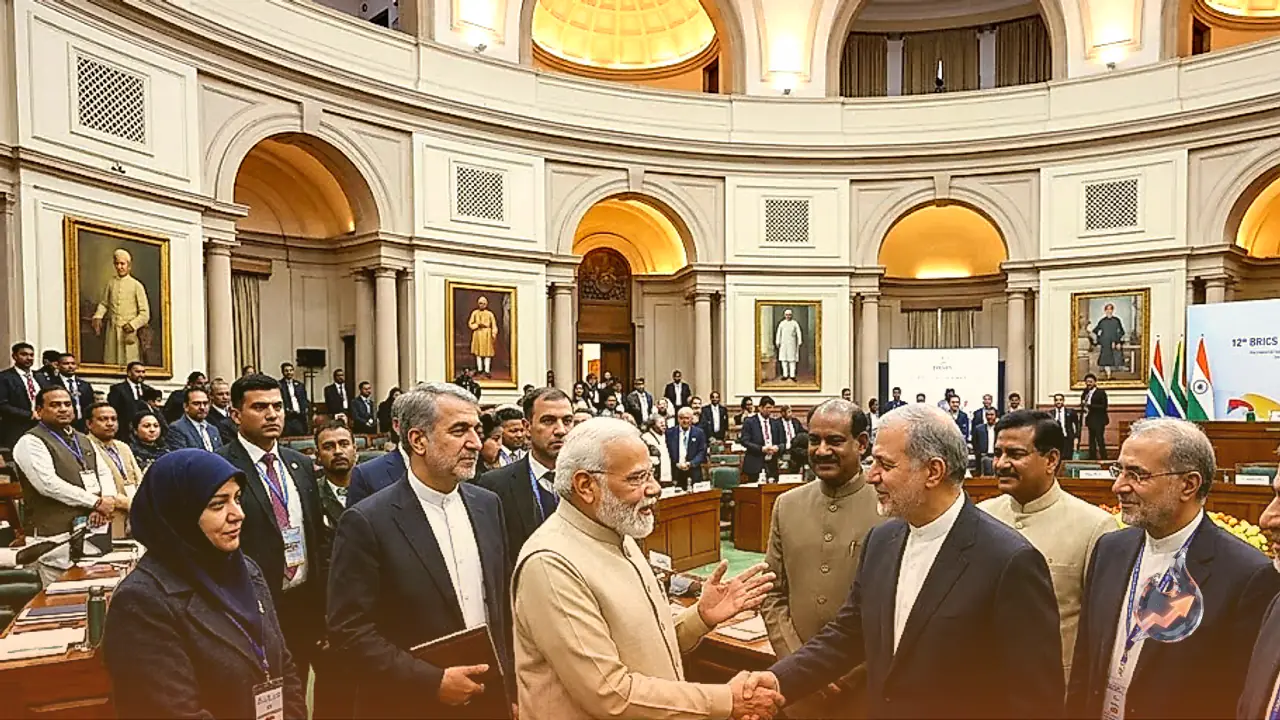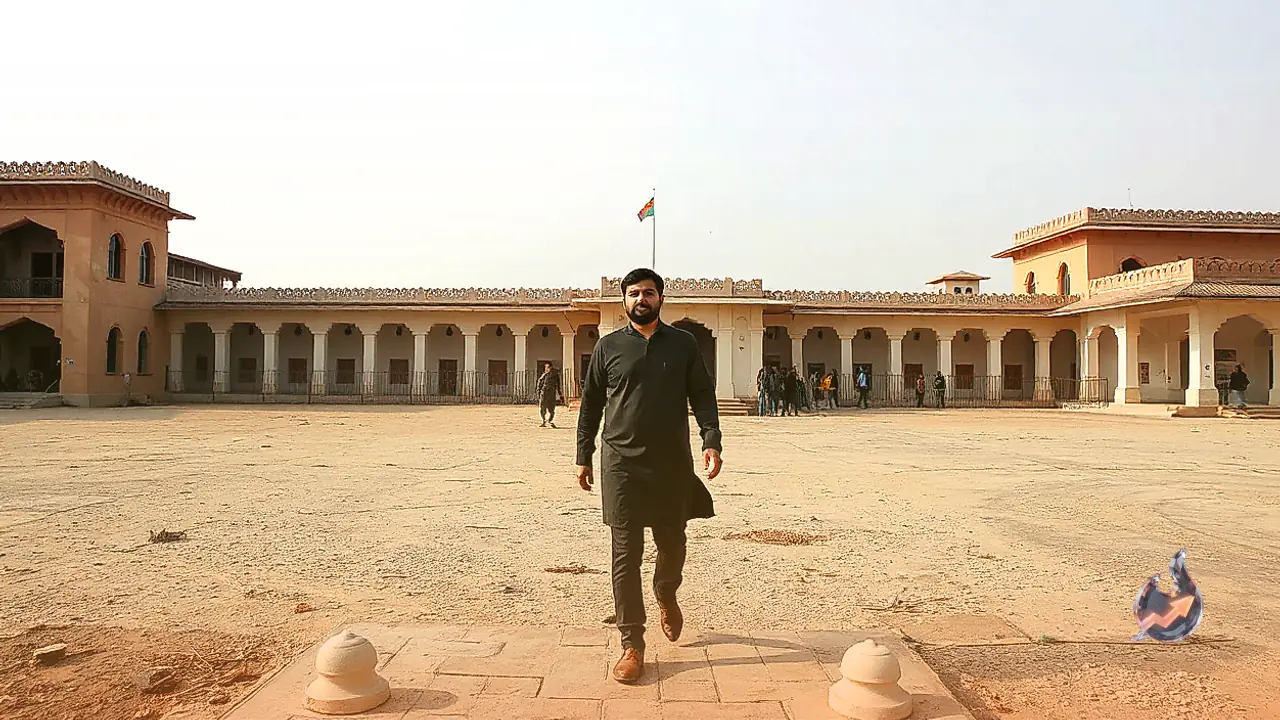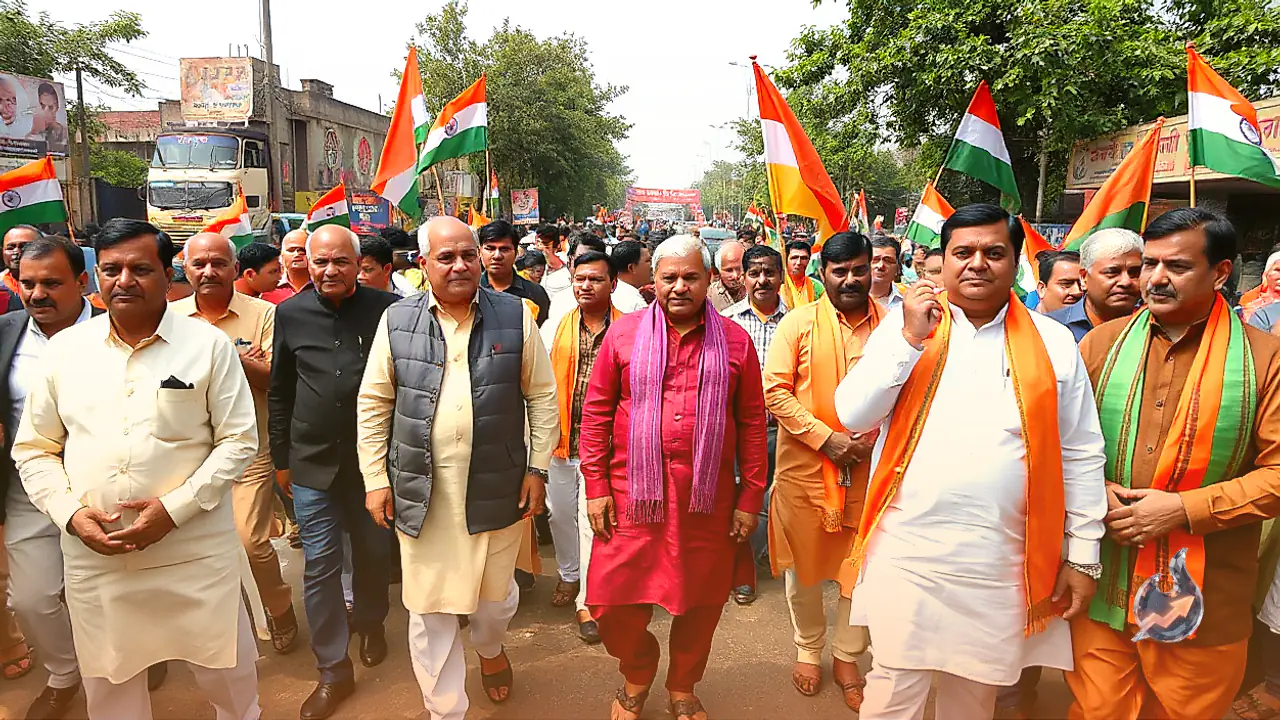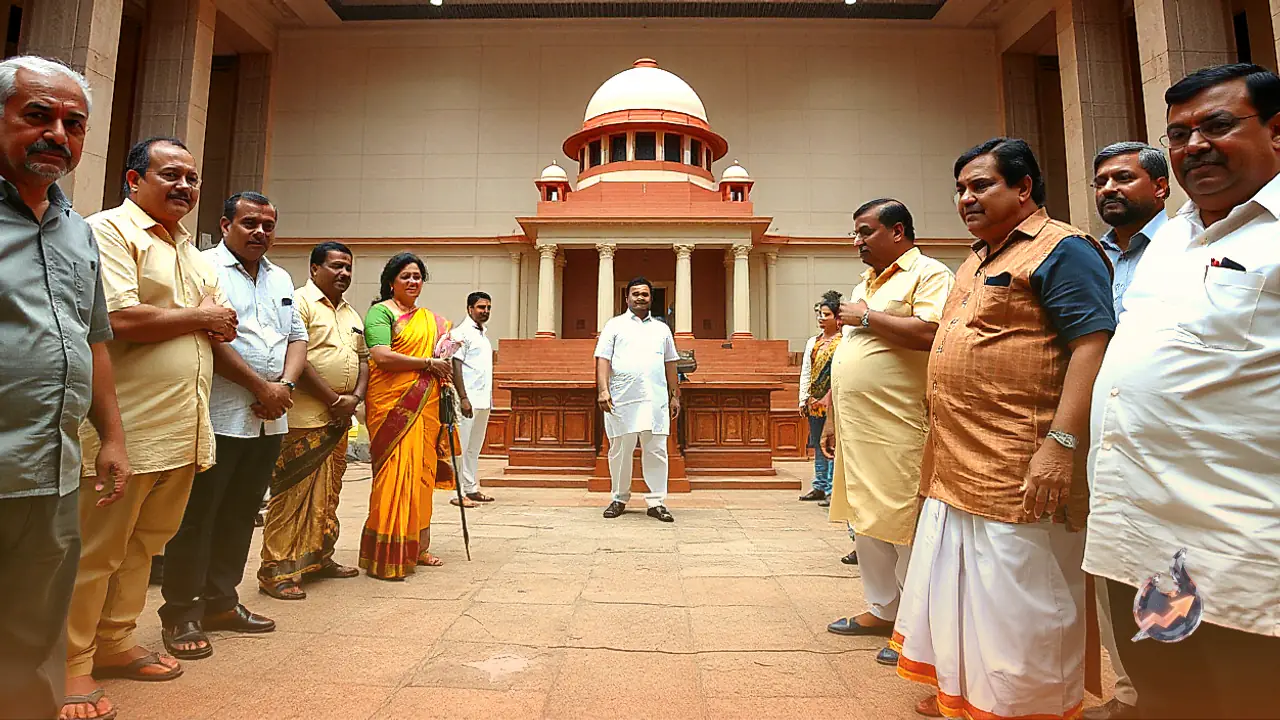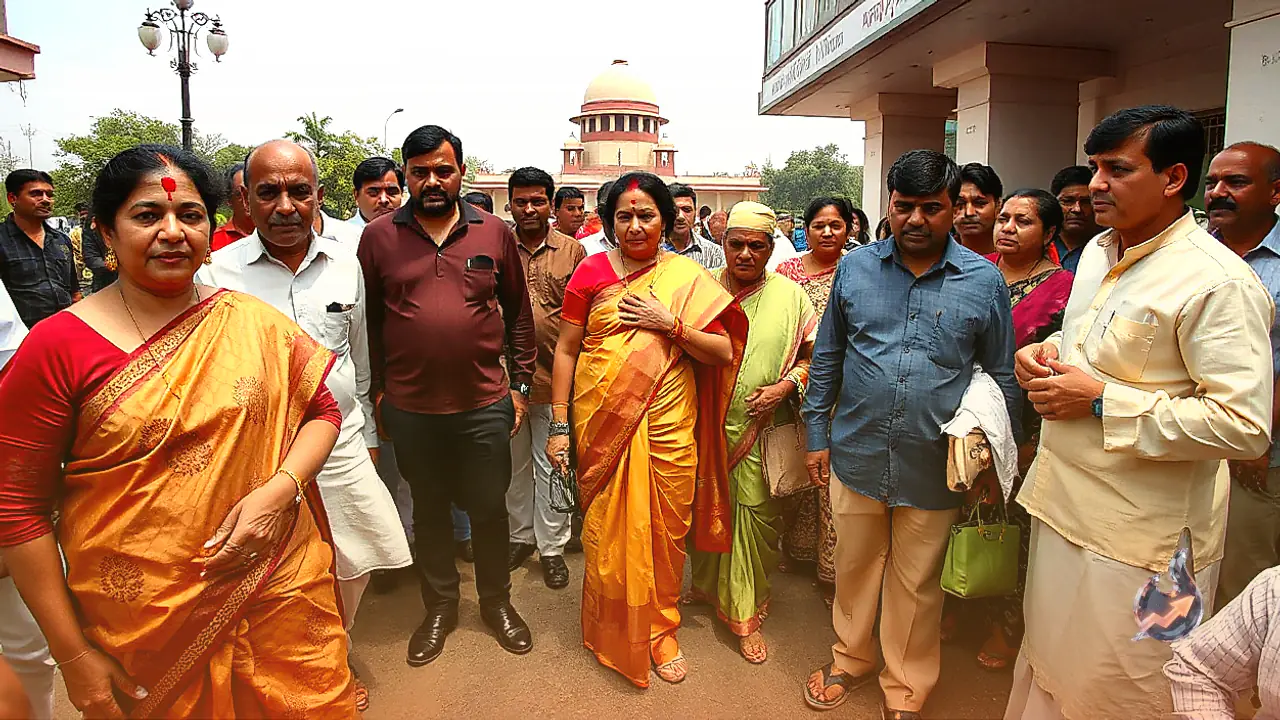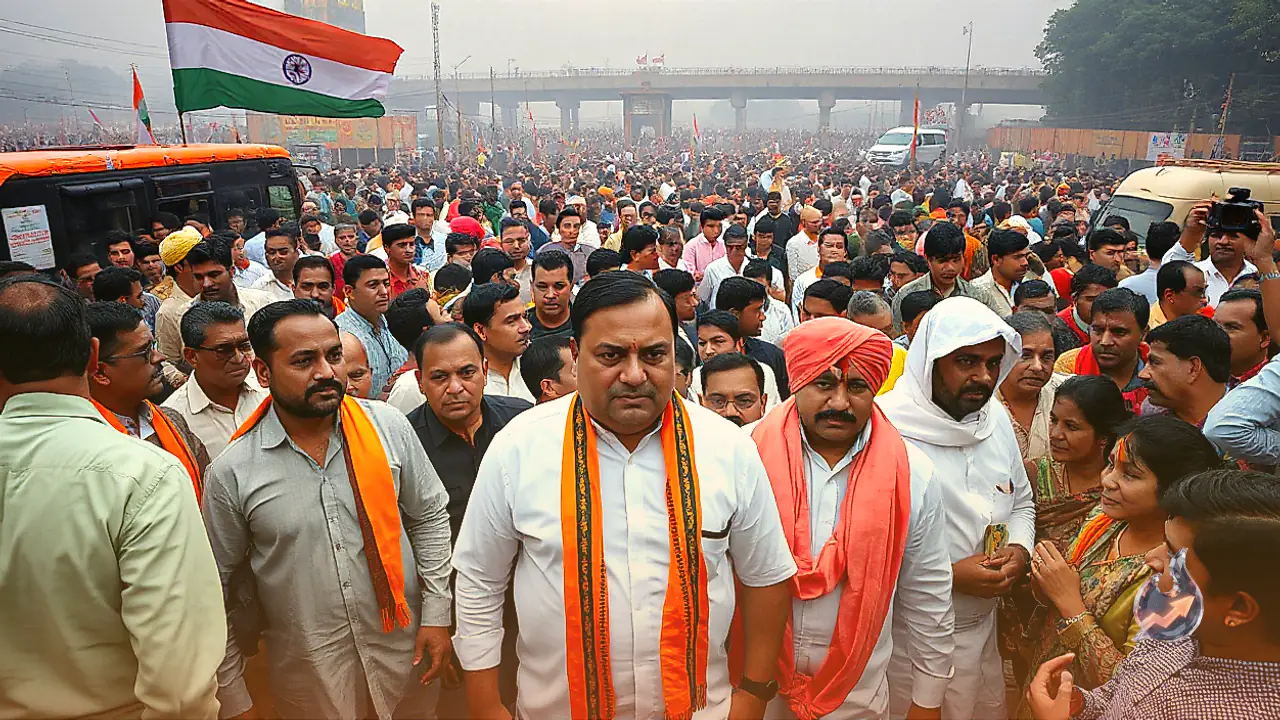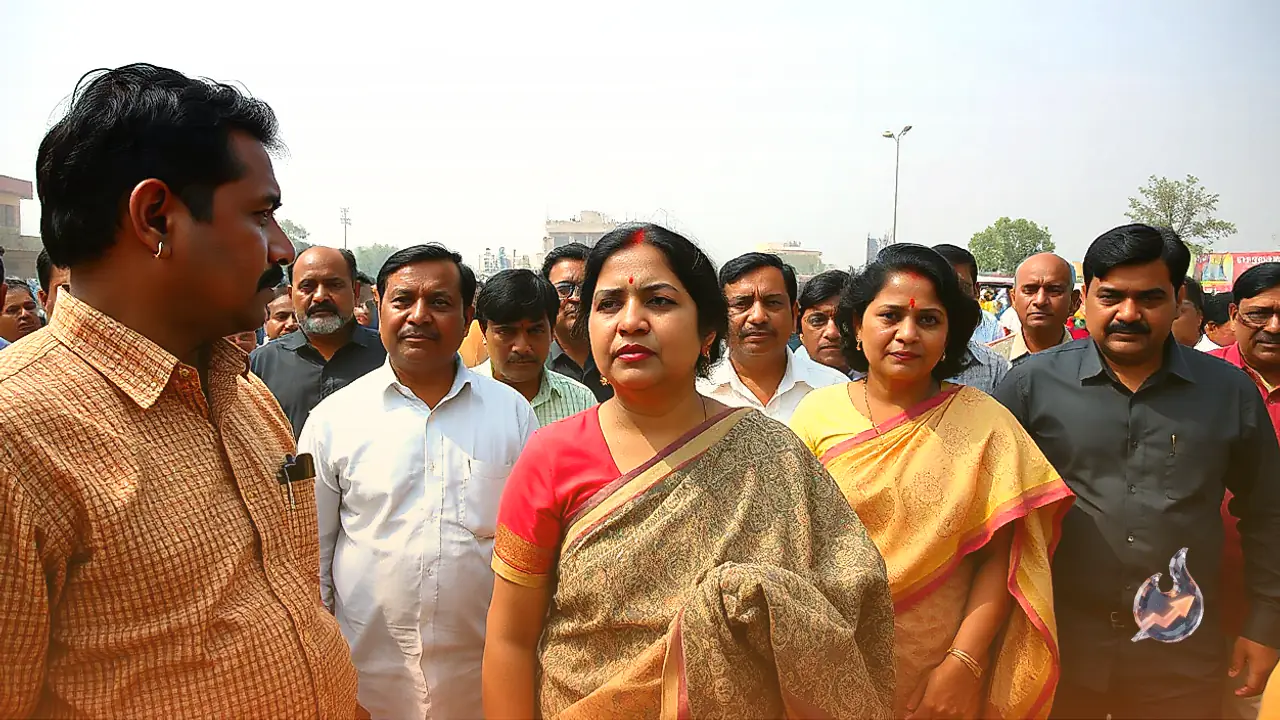

















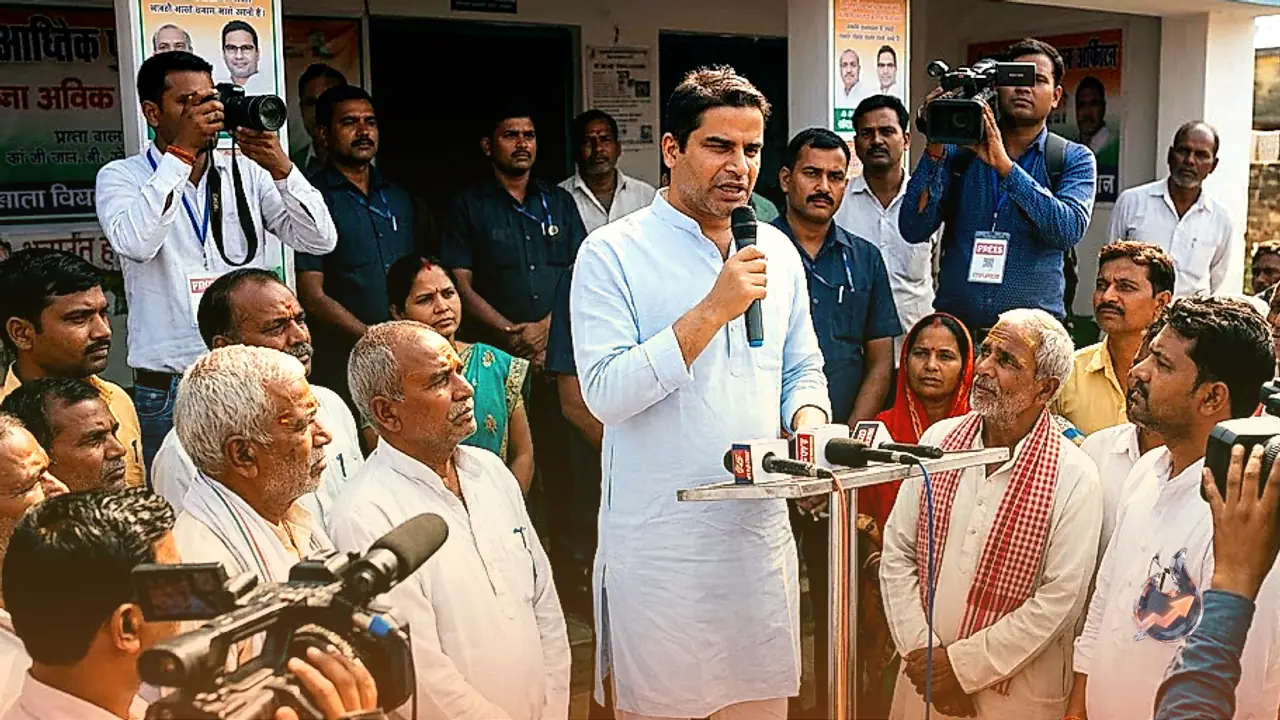

Political circles across Bihar are buzzing with a singular question regarding whether the state is witnessing the birth of a prominent upper-caste leader after a gap of nearly three and a half decades. Following the outcomes of the Bakhtiyarpur legislative by-election, tea stalls and offices alike have turned into arenas of discussion over whether Prashant Kishor possesses the profile of a future chief ministerial candidate. Discussions are gaining traction among Brahmins, Bhumihars, Rajputs, and Kayasths, while members of other communities observe these shifts in silence. Official caste survey figures place the combined population of these upper-caste groups below fifteen percent, prompting doubts over whether such a numerical base alone could propel someone to the state's highest office.
The Historical Decline of Upper-Caste Political Clout
A review of the state's political archives reveals that Dr. Jagannath Mishra served as the final upper-caste chief minister of Bihar, holding office from December 6, 1989, to March 10, 1990. Prior to his tenure, leaders from the Brahmin and Rajput communities such as Satyendra Narayan Sinha, Bhagwat Jha Azad, Bindeshwari Dubey, and Kedar Pandey administered the state. With the notable exception of Bihar's inaugural chief minister, Sri Krishna Singh, no other Bhumihar leader has ever ascended to the chief minister's chair. As the political climate shifted at the dawn of the nineties, the political footprint of upper castes receded into the background.
The Shift in Power Dynamics Under Lalu Prasad Yadav
When Janata Dal leader Lalu Prasad Yadav assumed office as chief minister on March 10, 1990, the state entered an era of Mandal politics and social justice that comprehensively reorganized power equations. Over the subsequent thirty-six years leading up to the present day, the chief minister's post has remained exclusively with leaders originating from backward and extremely backward classes. Figures such as Lalu Prasad Yadav, Rabri Devi, Jitan Ram Manjhi, Nitish Kumar, and currently Samrat Chaudhary have held the reins of power, keeping administrative control outside the traditional upper-caste domain.
Why No Dominant Upper-Caste Leader Emerged for Decades
In the wake of the socio-political transformations of the 1990s, upper-caste politics in Bihar retreated into a defensive posture due to several underlying factors. Their cumulative population hovering around fifteen percent was insufficient on its own to secure a decisive electoral majority for any single party. Moreover, internal rivalries among Brahmins, Bhumihars, Rajputs, and Kayasths prevented the consolidation of a universally accepted leader. While upper castes found a reliable political home in the Bharatiya Janata Party, the party consistently positioned leaders from backward or extremely backward backgrounds like Nitish Kumar and Samrat Chaudhary at the forefront of its governance strategy.
Evaluating Prashant Kishor As a Unifying Figure
As the founder of the Jan Suraj Party, Prashant Kishor hails from the Brahmin community and has mounted a direct challenge to traditional regional parties in Bihar. Although he refrains from identifying himself strictly as a leader of any specific caste and emphasizes collective efforts alongside sound policy, political analysts view his rise through the lens of upper-caste political resurgence. Given his Brahmin identity, a natural sense of affinity has developed toward him among members of the community who have felt excluded from leadership roles for a prolonged period. Meanwhile, young Bhumihars have shown strong receptiveness to his agenda centered on development, education, and curbing migration, while educated youth from Rajput and Kayasth backgrounds, traditionally aligned with the BJP, are also beginning to reevaluate their options.
The Role of Young Voters and Future Hurdles
Recent electoral outcomes and extensive statewide marches have demonstrated that the modern Bihar voter is increasingly reluctant to cast ballots based strictly on traditional identity lines. Specifically, Gen-Z voters who focus primarily on foundational socioeconomic challenges could play a pivotal role in establishing Prashant Kishor as a leader across social strata. Voters under the age of thirty increasingly view him as an educated and strategic alternative. Nevertheless, the path ahead remains formidable, requiring him to not only unite the various upper-caste segments but also secure the confidence of extremely backward classes, Dalits, and minorities to build a winning coalition.