






















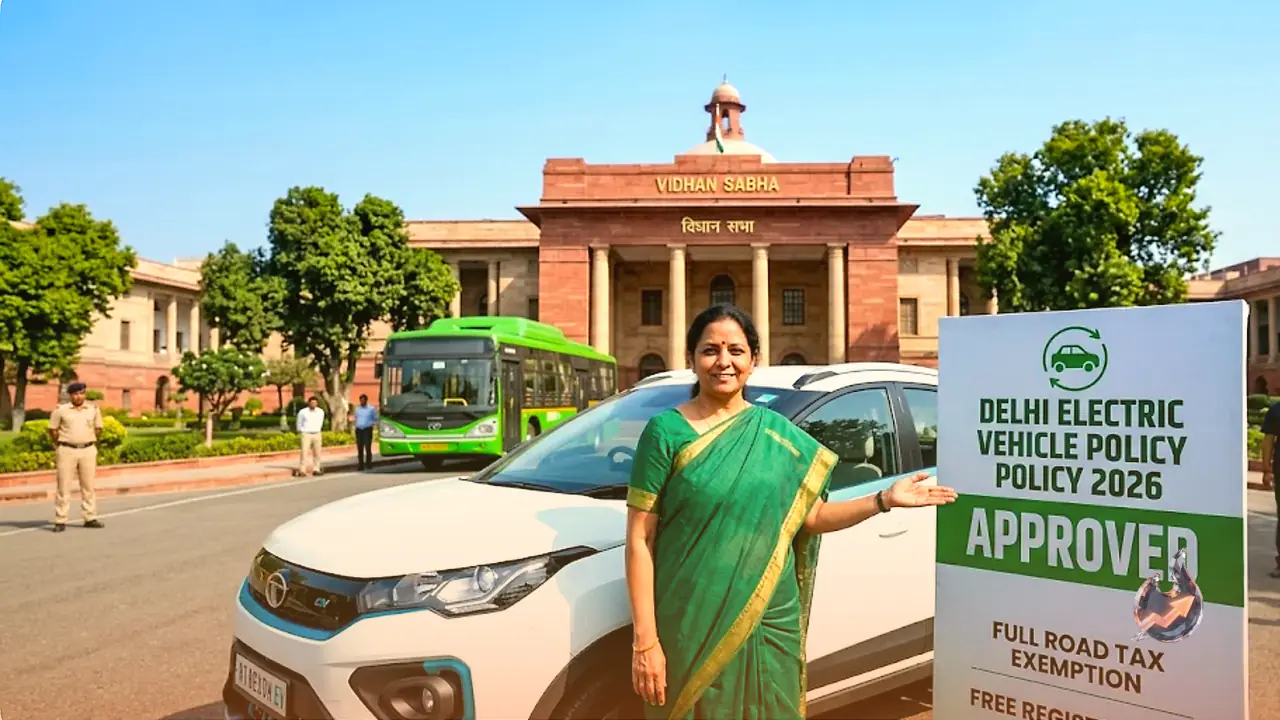

Delhi has given the green light to a new electric vehicle policy aimed at transforming the capital into a cleaner and more sustainable city. The Delhi Cabinet, chaired by Chief Minister Rekha Gupta, approved the Delhi EV Policy 2026. Subject to the Lieutenant Governor's approval, the policy will come into force from July 1, 2026 and remain active until March 31, 2030. Under this framework, EV buyers will receive tax exemptions, subsidies, and a range of other benefits.
The Vision: Making Delhi India's EV Capital
Speaking at a press conference, Chief Minister Rekha Gupta explained that the core objective of the policy is to make Delhi free from pollution and position it as a capital known for clean transportation. The government wants as many residents as possible to move away from petrol and diesel vehicles in favour of electric alternatives. This would not only help bring down air pollution but also cut the fuel costs that ordinary households bear every month. With this goal in sight, plans have been drawn up to develop Delhi into the EV capital of the entire country.
Complete Waiver on Road Tax and Registration Fees
Under the new policy, all categories of electric vehicles will be eligible for a 100 per cent exemption on road tax and registration charges. For four-wheelers, this benefit applies to vehicles with an ex-showroom price of up to Rs 30 lakh. The government believes this move will give a strong push to electric car purchases and inject fresh momentum into Delhi's EV market.
Rs 15,000 Crore in Total Benefits Over Four Years
The government plans to commit more than Rs 7,000 crore in direct public investment over the next four years. When combined with tax waivers, the establishment of charging infrastructure, and additional support measures, the total projected benefit to citizens and the EV industry is expected to reach approximately Rs 15,000 crore. This is anticipated to generate new employment opportunities, attract private investment, and build a far stronger and more resilient electric vehicle ecosystem in the capital.
Government Offices Going Fully Digital
Alongside the EV push, Delhi's government is also driving a parallel transformation in how its administration operates. An e-office system is being used to make government processes faster, more transparent, and more accountable. So far, 235 departments have been brought onto this platform. The system has already processed more than 1.4 lakh e-files and over 9.2 lakh e-receipts, and more than 15,000 users are actively working on it. Real-time file tracking is now possible through this platform, outstanding work gets resolved more quickly, and accountability across the administration has measurably improved.