






















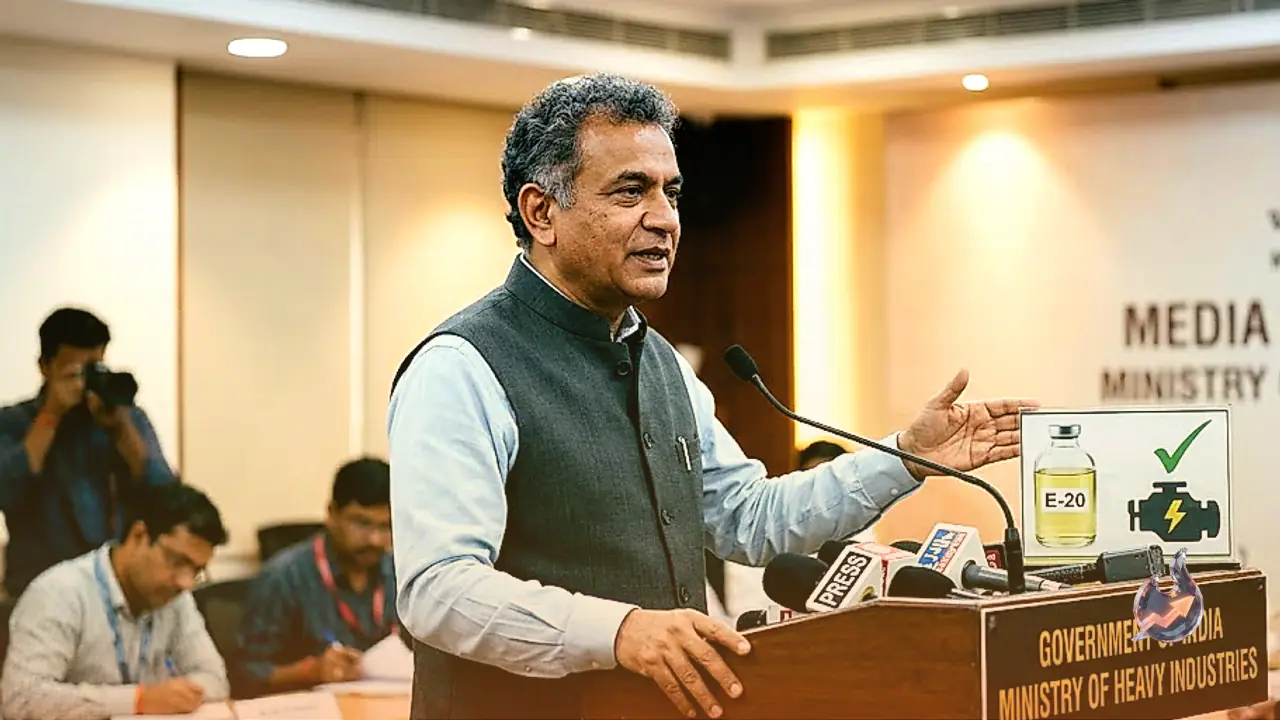

Amid ongoing discussions surrounding ethanol-blended fuel in India, the Ministry of Heavy Industries has issued a comprehensive statement clarifying the government's stance on flex-fuel vehicles and E-20 petrol. Following earlier communications from other government bodies, the ministry explicitly stated that no dedicated national policy has been framed to provide special incentives for flex-fuel vehicles designed to run on petrol blended with more than 20 percent ethanol. Furthermore, the ministry confirmed that no official comparative study has been conducted regarding potential incentives for flex-fuel vehicles relative to electric vehicles.
No Subsidies for High-Blend Vehicles or Manufacturers
This clarification indicates that buyers and manufacturers expecting financial relief for higher-blend ethanol vehicles will not receive special government grants in the near future. The Ministry of Heavy Industries emphasized that there are no current plans or regulations to grant subsidies to consumers purchasing vehicles capable of running on E-22 or E-80 fuel variants. Similarly, automotive companies and engine manufacturers developing powerplants tailored for these advanced ethanol blends will not receive financial incentives from the central government.
Government Reaffirms Engine Safety with E-20 Petrol
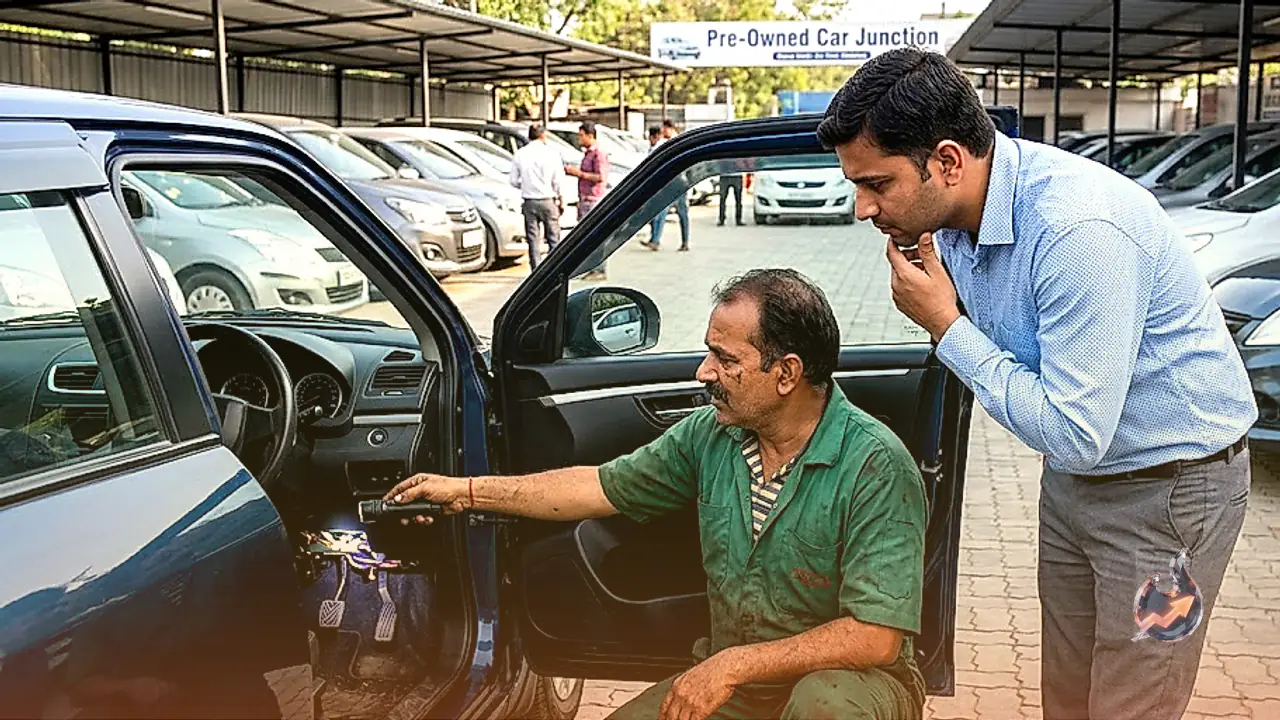
Aligning with previous defenses presented by the Petroleum Ministry, the Heavy Industries Ministry strongly endorsed the safety of the current ethanol blending initiative. Addressing concerns regarding potential engine damage from E-20 petrol, which contains 20 percent ethanol, the government asserted that extensive testing and real-world operational data show no evidence of adverse effects. According to official assessments, E-20 fuel does not cause abnormal engine wear and tear, internal corrosion, rusting, or any reduction in the operational lifespan of motor vehicles.
Strengthening Energy Security and Economic Stability
Highlighting the broader economic rationale, the government reiterated that the Ethanol Blended Petrol program plays a vital role in fortifying India's national energy security. By reducing reliance on imported crude oil, the program helps insulate domestic consumers from sharp fluctuations in global crude prices while curtailing the national import bill. Additionally, increased ethanol usage contributes significantly to environmental preservation through lower emissions. Officials noted that the policy maintains a balanced approach that gives top priority to water conservation, food security, and the welfare of farmers.
Approved Raw Materials and Benefits for the Agricultural Sector
Under the National Policy on Biofuels, ethanol production utilizes a wide range of approved agricultural raw materials. These include sugarcane-based feedstocks, maize, broken rice, damaged food grains, and surplus food grains authorized by the National Biofuel Coordination Committee (NBCC), alongside other approved agricultural materials. Government officials stressed that sourcing ethanol from diverse crops supports the agricultural economy on multiple fronts, ensuring that farmers obtain fair market value and remunerative prices for their produce.