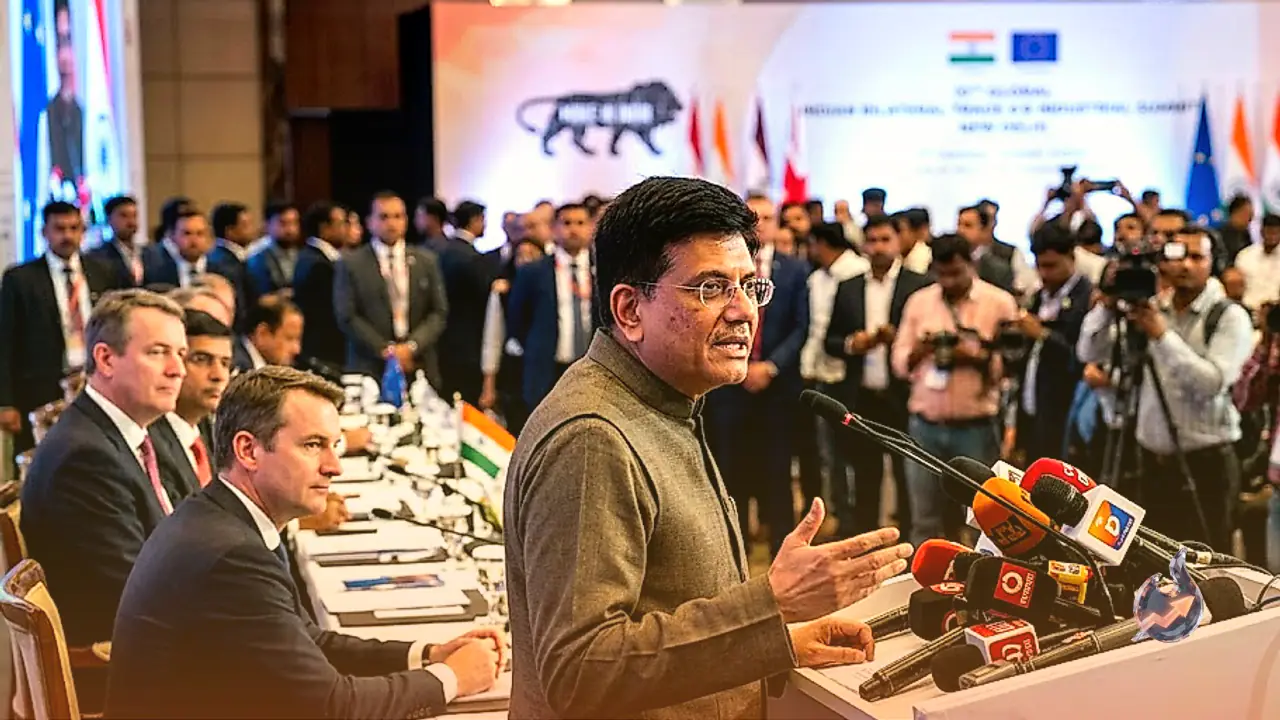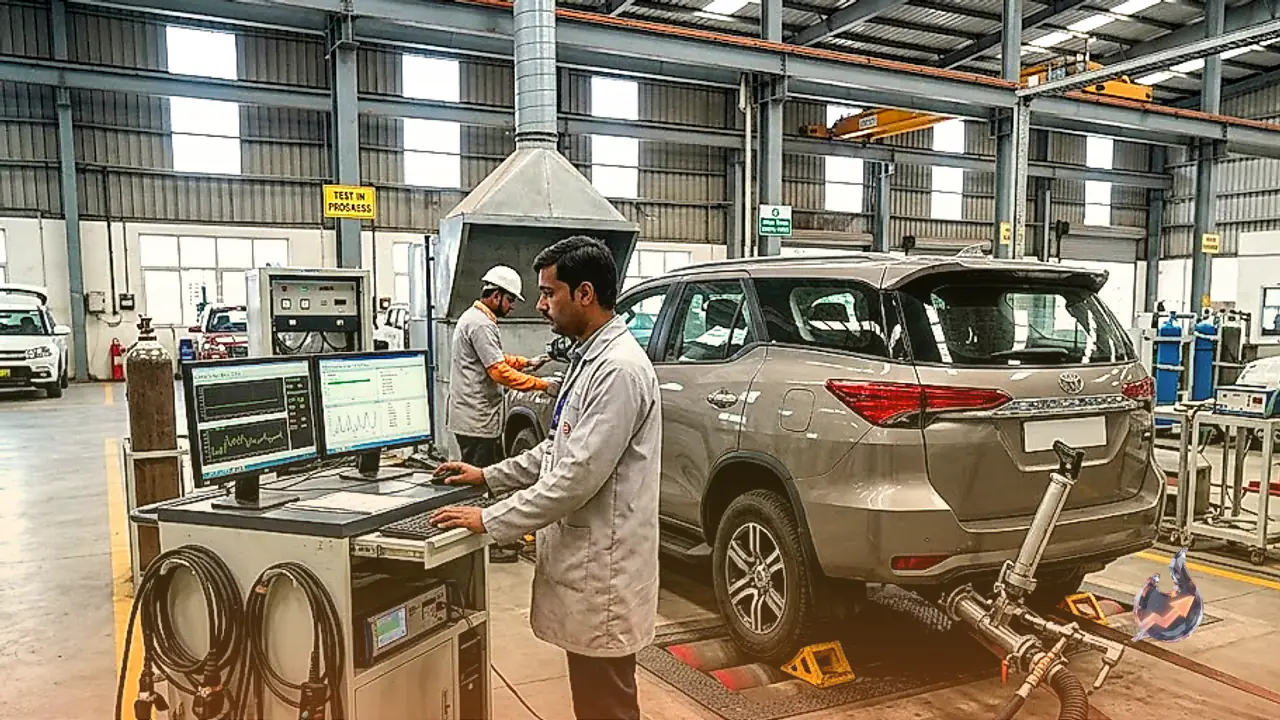

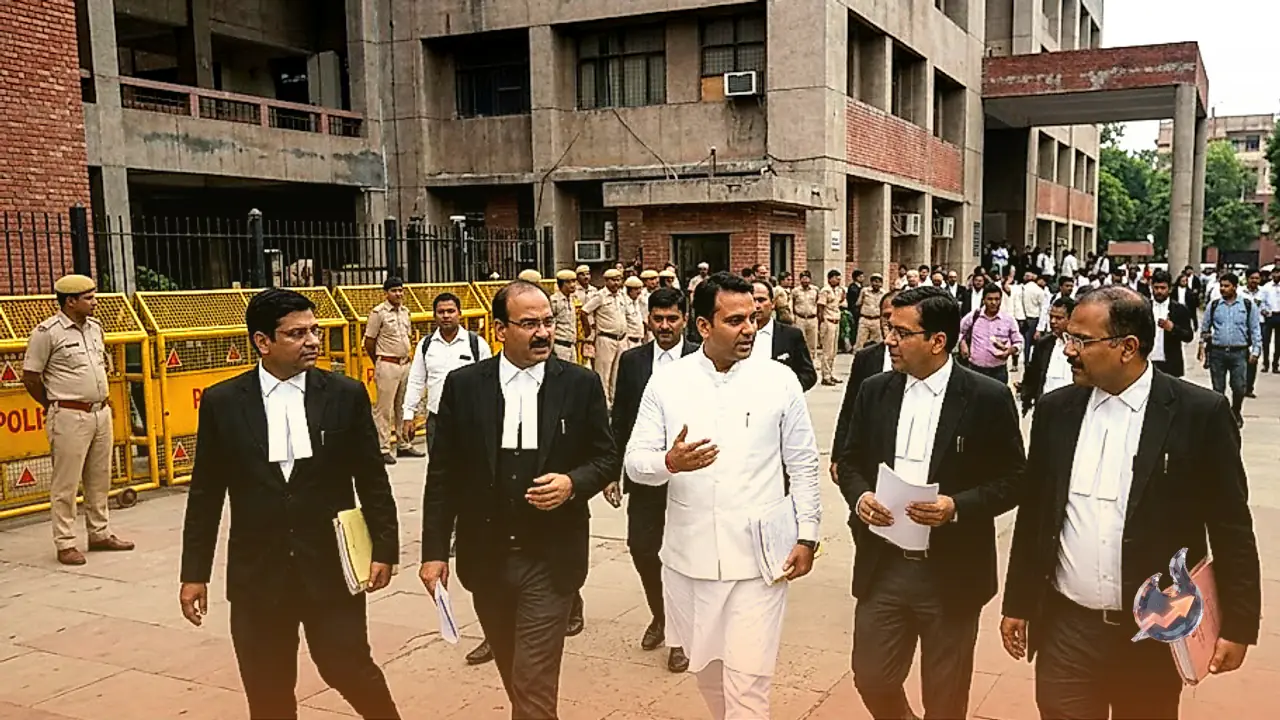




















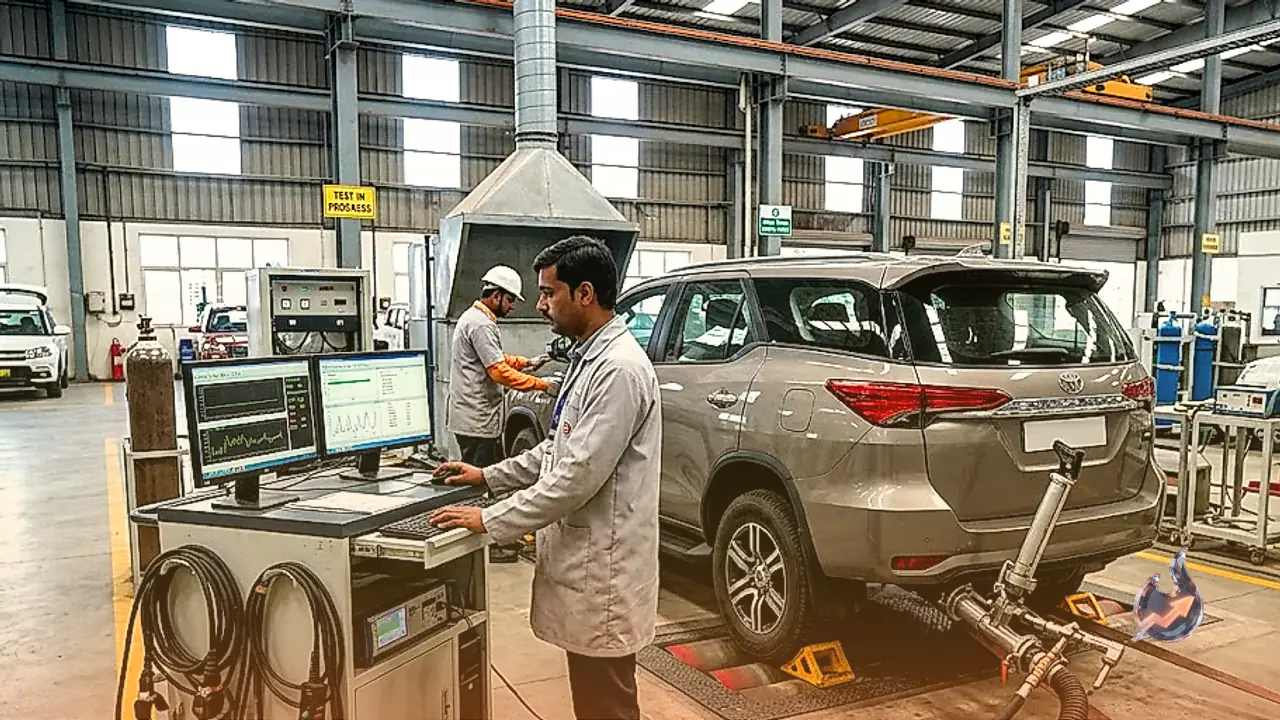

In a major regulatory step aimed at curbing automotive pollution, the government has moved to introduce significantly stricter Bharat Stage-7 emission benchmarks for passenger vehicles starting April 1, 2029. The Ministry of Road Transport and Highways has published a draft notification proposing revisions to the Central Motor Vehicles Rules, 1989, seeking feedback and public objections within a 30-day window. The proposed framework primarily targets M1 category passenger vehicles, encompassing personal cars, by setting tighter emissions ceilings, mandating real-world on-road driving emission audits, and monitoring energy efficiency alongside battery durability throughout the vehicle lifecycle.
A Three-Tier Rollout Strategy Across Six Years
Rather than enforcing the sweeping technical mandates all at once, the Ministry of Road Transport and Highways has structured the BS-7 rollout across three progressive milestones scheduled for April 2029, April 2031, and April 2035. This scheduled roadmap provides automobile manufacturers with approximately two and a half years of lead time to upgrade engine architectures, calibrate electronics, and overhaul assembly lines before the initial requirements kick in.
Under the first phase taking effect in April 2029, regulatory limits on tailpipe exhaust emissions will tighten substantially, coupled with rigorous audits on fuel consumption, electric energy usage, and propulsion battery longevity. The second phase, scheduled for April 2031, introduces non-exhaust environmental regulations for the first time by capping particulate pollution generated from brake wear and tyre degradation. By the time the third phase arrives in April 2035, standardised brake particulate thresholds will become mandatory across diverse vehicle categories.
Strict Durability Thresholds for Electric Vehicle Batteries
Addressing the rapid transition toward zero-emission and electrified transport, the draft regulations establish clear minimum durability metrics for batteries fitted in electric and plug-in hybrid cars. Automakers must ensure that traction batteries retain a minimum of 75 percent of their original capacity after five years or 100,000 kilometres of driving. Furthermore, the battery pack must retain at least 67 percent capacity after eight years or 160,000 kilometres on the road, holding manufacturers directly accountable for degradation over extended operational periods.
On-Road Verification and Environmental Vehicle Passports
To eliminate discrepancies between standard laboratory testing cycles and everyday commutes, the draft framework mandates Real Driving Emissions assessment protocols along with integrated vehicle systems that monitor real-time fuel and electrical power usage. Car buyers are also set to receive an official Environmental Vehicle Passport, which transparently outlines the vehicle's verified emissions output, efficiency data, and battery condition at the point of purchase.
The regulation also outlines provisions for a specialised BS-7-G classification, incorporating geofencing technology for conventional petrol and diesel models. Additionally, carmakers will be required to explicitly label and declare vehicles capable of operating on ethanol-blended petrol exceeding E20 blends. India previously bypassed the BS-5 transition entirely to leap directly from BS-4 to BS-6 standards in April 2020, which required nationwide availability of low-sulfur fuels to achieve cleaner combustion.