


















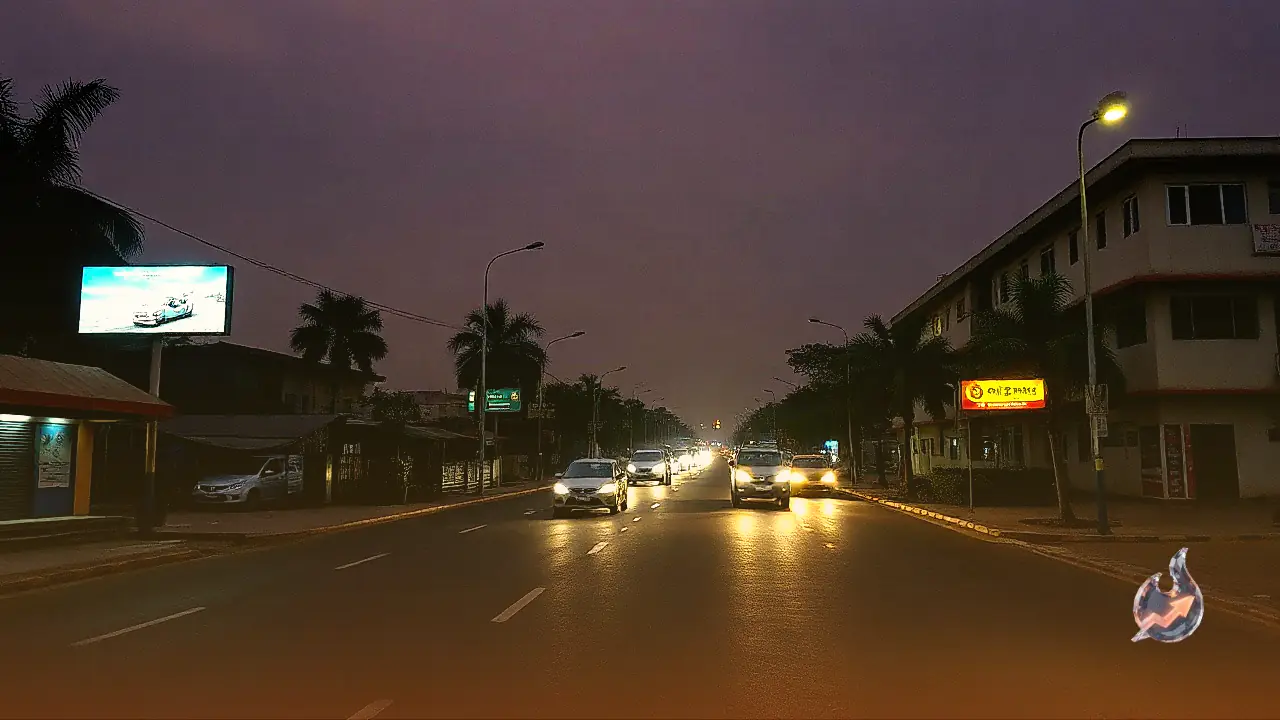

Driving on roads at night often becomes hazardous when oncoming vehicles flash blinding high-intensity headlights, leaving drivers temporarily blinded. The harsh LED setups fitted on numerous cars and motorcycles, combined with the persistent misuse of high beams within urban environments, create massive visibility hazards for fellow motorists. To address this growing concern, the government is preparing to overhaul vehicle lighting regulations. The Ministry of Road Transport and Highways has officially introduced a draft outlining these fresh rules aimed at making nighttime driving significantly safer.
Stricter Candela Limits for Cars and Two-Wheelers
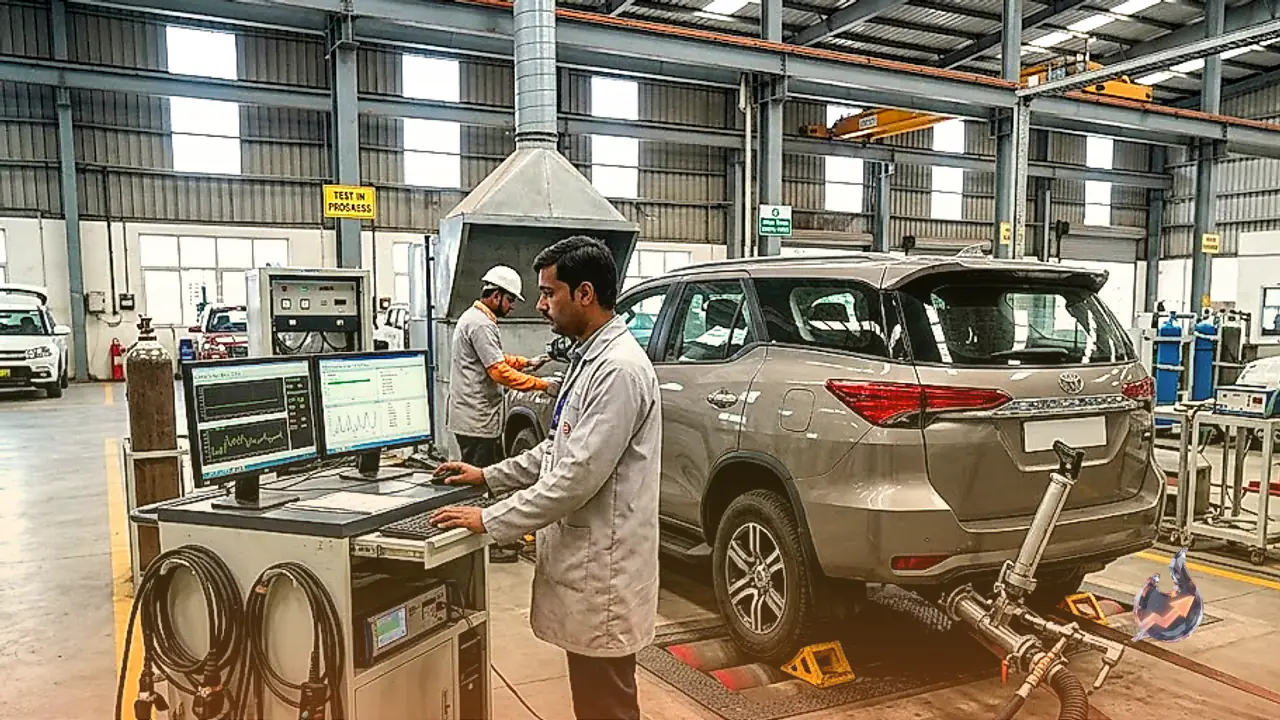
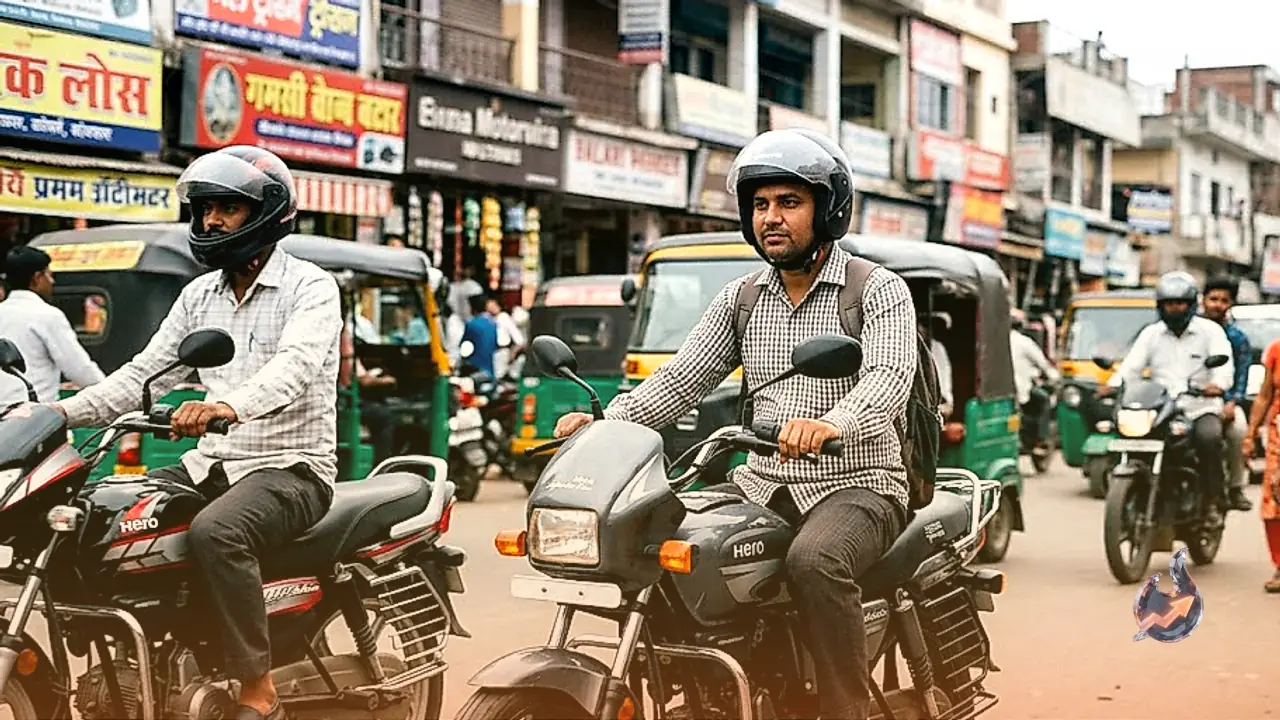
According to the proposed framework, upcoming two-wheelers will feature automatic headlamps functioning exclusively on low beam by default, while legacy two-wheelers are proposed to remain exempt from this specific shift. The maximum luminous intensity cap for two-wheeler headlamps is slated to drop from 1.5 lakh candela down to 1 lakh candela. For four-wheelers and cars, this threshold is suggested to be reduced from 2.25 lakh candela to 1.5 lakh candela. Furthermore, the color temperature of headlights is planned to be restricted to a maximum of 6,500 Kelvin to effectively curb excessively sharp and eye-piercing illumination.
Audio Alerts for High Beam Misuse in Urban Zones
Another prominent measure in the draft targets the improper employment of high beams in crowded areas. Vehicles traveling below 60 kilometers per hour inside city limits while keeping high beams active will trigger an automated audio alert. Conversely, this alert mechanism will remain inactive during highway driving when speeds exceed 60 kilometers per hour. The underlying goal is to encourage motorists to switch to low beams within city limits where surrounding traffic density is much higher.
Addressing the Gap in Aftermarket Modifications
While manufacturing plants adhere to prescribed illumination boundaries, vehicle owners frequently install heavy-duty aftermarket lights independently. This highlights a notable limitation of standard factory regulations, as glaring visibility issues often stem from aftermarket LEDs, local fittings, and incorrectly angled headlamps rather than original equipment alone. Many individuals swap factory setups for high-power alternatives lacking proper beam patterns and cut-offs, directing harsh light straight into oncoming eyes. Consequently, lowering manufacturing candela limits alone will not eliminate all glare unless authorities also crack down on illegal aftermarket lighting modifications and incorrect alignments.
Reflective Tapes and Timelines for Heavy Vehicles
The draft also introduces mandatory reflective tapes for buses and heavy commercial vehicles to improve visibility during night hours and adverse weather conditions. This addition aims to make large vehicles easily identifiable after dark and minimize the risk of rear-end collisions. The ministry has invited feedback and suggestions from relevant stakeholders on these proposed amendments within a 30-day window. Officials intend to roll out these regulatory updates starting next April, signaling a broader push toward enhanced night driving safety that must be supported by strict enforcement against unauthorized modifications on the road.